David Bowie
Overview
David Bowie was one of the most seminal and influential artists of the 20th century. Born David Robert Jones on January 8, 1947, in Brixton, London, Bowie achieved worldwide fame with a career that spanned over five decades. Known for his distinctive voice and the intellectual depth of his music, he is often regarded as one of the most innovative musicians in rock history. Bowie's career was marked by reinvention and visual presentation, with his work pushing the boundaries of art, music, and fashion. From his early hit 'Space Oddity' to his final album 'Blackstar', his body of work encompasses a range of styles, much of which foresaw shifts in popular music. Bowie’s alter egos, from Ziggy Stardust to the Thin White Duke, were a major part of his artistic persona, each reflecting changes in his musical style and approach.
Despite the flamboyant nature of his stage personas, Bowie was always a deeply private individual. He cleverly mixed rock, theatre, and visual arts, creating an enduring impact that transcended generations. Bowie’s ability to change and innovate meant that he could not be pinned to one musical genre or style, making his contributions to culture and music vast and varied. His influence can be seen in numerous artists from different genres and periods, indicating his unique ability to stay relevant and continuously inspire.
Bowie’s exploration of gender norms and identity through his music and fashion choices placed him at the forefront of social change. His iconic style was as much a part of his legacy as his music, making him an icon not just for his sound but for his look and his challenge to conventional norms. Bowie passed away on January 10, 2016, but his influence remains prevalent in music and popular culture.
Formation and Early Years
David Bowie’s journey into music began at a young age in post-war Britain. Growing up in a working-class family, Bowie's interest in music was sparked early, and he began playing the saxophone when he was just 13. Initially performing under his birth name, David Jones, he adopted the stage name 'David Bowie' in the mid-1960s to avoid confusion with The Monkees' Davy Jones. His early work was steeped in the popular music of the time, showcasing a mix of mod and folk influences but met with modest success.
It wasn't until the release of his 1969 single 'Space Oddity' that Bowie achieved widespread recognition. The song, released just days before the Apollo 11 moon landing, tapped into the zeitgeist and became one of his first major hits, symbolizing the blend of innovative sound and topical themes that would characterize much of his work. The success of 'Space Oddity' provided Bowie the momentum to pursue his deeply eclectic and artistic vision.
Bowie’s formative years were marked by experimentation not only in music but in identity and image. By the early 1970s, he had developed his first major persona: Ziggy Stardust, inspired by science fiction and rebellion. This character was flamboyant, offering an energetic critique of fame and stardom that resonated with the counterculture of the time. Ziggy's androgynous appearance, infused with glam rock aesthetics, propelled Bowie into the spotlight, establishing him as a trendsetter in music and fashion.
In these early years, Bowie was influenced by a range of artists and styles, from Little Richard to The Beatles. His upbringing in London during its cultural upheaval provided a rich milieu for his artistic development. As Bowie's career unfolded, it became apparent that, despite his deep connection to the city, his appeal was truly universal, transcending local British culture and impacting the broader rock landscape.
Career Highlights
David Bowie's career featured numerous highlights that cemented his status as a pioneer in the music industry. In the early 1970s, Bowie released 'The Rise and Fall of Ziggy Stardust and the Spiders from Mars', which became a defining album in the glam rock genre. With tracks like 'Starman' and 'Rock 'n' Roll Suicide', the album presented a complex narrative of a doomed rock star, showcasing Bowie's theatricality and lyrical creativity.
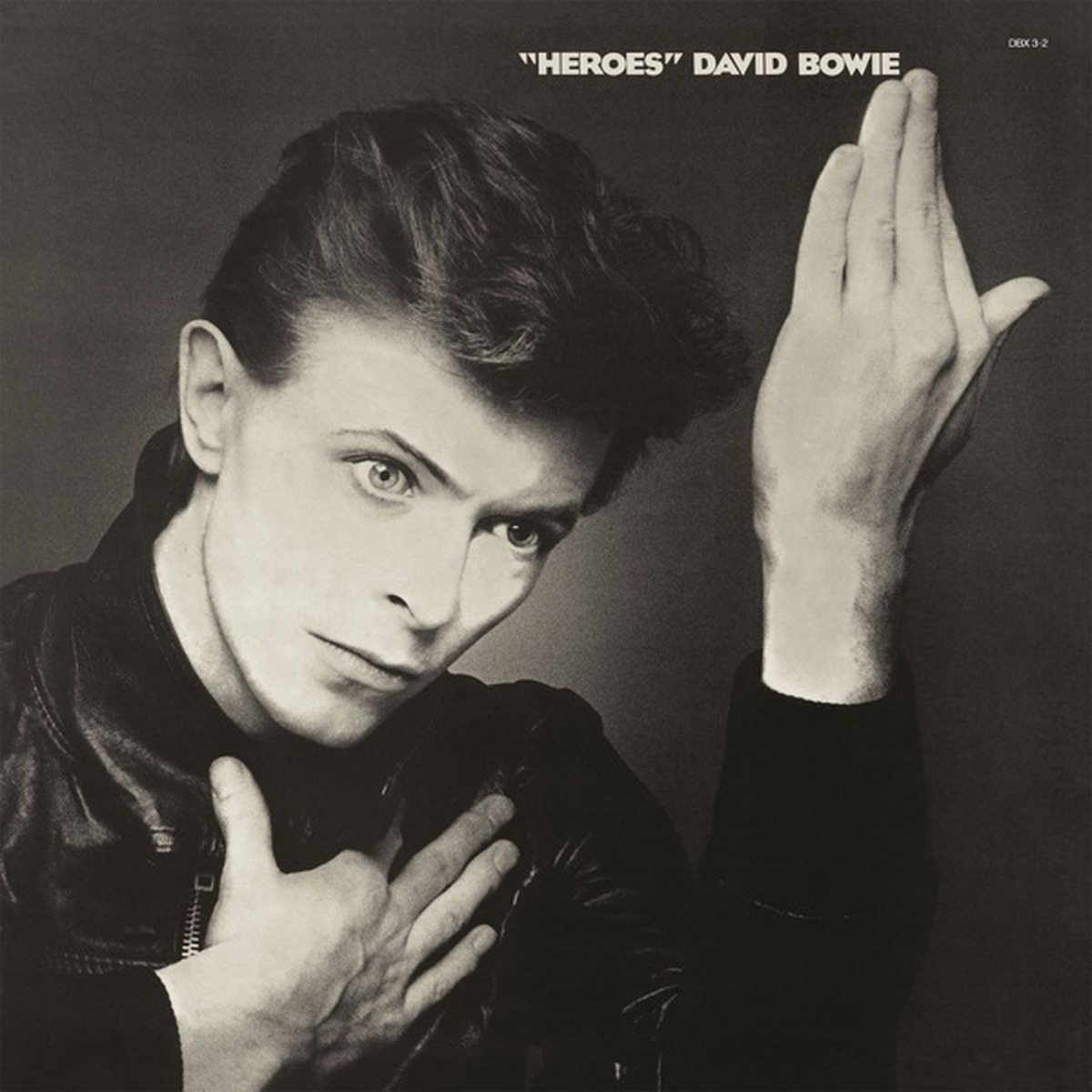
Another significant period in Bowie's career was the 'Berlin Trilogy', encompassing the albums 'Low', 'Heroes', and 'Lodger', produced in collaboration with Brian Eno. Recorded in West Berlin, these albums reflected a shift towards more experimental, electronic sounds, influenced by the krautrock scene. The trilogy was critically acclaimed, particularly the album 'Heroes', with the titular track becoming an anthem of hope and resilience.
Bowie's foray into acting was another highlight, with roles in films such as 'The Man Who Fell to Earth' and 'Labyrinth', adding to his multifaceted persona. Not just content with success in music, his work in film demonstrated his wide artistic range. The 1980s saw Bowie achieve mainstream commercial success with 'Let's Dance', an album that spawned several hits, including the chart-topping single of the same name.
In the 1990s and 2000s, Bowie continued to evolve, experimenting with drum and bass, industrial, and jungle music. Albums like 'Outside' and 'Earthling' showcased his willingness to explore new musical territories. In 2013, he surprised the world with 'The Next Day', his first studio album in a decade, which received critical acclaim. Bowie's final album, 'Blackstar', released just days before his death, was a critically lauded as a poignant farewell, with its songs reflecting on mortality and legacy.
Musical Style
David Bowie's musical style was a constantly changing landscape, reflecting his desire to push boundaries and avoid stagnation. Early in his career, Bowie was influenced by rock and roll and the burgeoning British rock scene, evident in his early albums that showcased a mix of rock, pop, and folk influences. Yet, it was glam rock, with its flair for theatricality and rebellion, that first propelled Bowie to fame with the Ziggy Stardust era.
During the 1970s, Bowie delved into the avant-garde, working with Brian Eno on the Berlin Trilogy to explore ambient and electronic music. This period marked a departure from mainstream rock, integrating elements of the German krautrock movement, with synthesizers and unconventional song structures becoming central to his work. The Berlin Trilogy is noted for its stark, minimalist soundscapes, which contrasted with the flamboyance of glam rock.
Bowie continued to evolve in the 1980s, embracing a more commercially appealing sound with 'Let's Dance', blending rock with funk and dance music elements. This shift expanded his audience and increased his commercial success, demonstrating his ability to adapt and thrive in the changing music landscape of the time. However, even during this period, Bowie maintained an edge of innovation, infusing new styles and collaborations into his music.
The latter part of his career saw Bowie return to more experimental roots, incorporating industrial sounds and avant-garde elements. His constant willingness to experiment without losing his core identity was a key factor in his sustained relevance and influence. Bowie’s music, characterized by distinctive melodies and sophisticated lyrics, often tackled themes of alienation, fame, and identity, resonating with listeners across different decades.
Most Important Albums
Throughout his extensive career, David Bowie released numerous albums that have left a significant mark on the music industry. Among these, 'The Rise and Fall of Ziggy Stardust and the Spiders from Mars' is often considered one of his most essential works. Released in 1972, this album not only solidified Bowie’s reputation as a rock star but also helped define the glam rock genre. The album tells the story of Ziggy Stardust, an androgynous rock star who acts as an intermediary between Earth and space aliens, using music to convey social and existential themes.
'Heroes', released in 1977 as part of the Berlin Trilogy, is another standout record. Embracing a more experimental approach, the album features the iconic title track 'Heroes', which became an anthem for a generation. Recorded with Brian Eno, 'Heroes' was influenced by the minimalist and electronic scenes, featuring a more abstract and ambient sound.
'Let's Dance', released in 1983, represents a different facet of Bowie’s artistry - his willingness to engage with mainstream pop and rock audiences. The album's title track, along with hits like 'China Girl' and 'Modern Love', became synonymous with the music of the 1980s. Produced by Nile Rodgers, 'Let's Dance' was a commercial triumph, showcasing Bowie’s chameleonic ability to shift styles effortlessly.
Bowie's final studio album, 'Blackstar', released in 2016, is considered one of his most profound works. The album, released just two days before his death, is recognized for its introspective nature and innovative incorporation of jazz and experimental rock elements. 'Blackstar' is imbued with themes of mortality and farewell, often considered a poignant closing chapter to Bowie’s illustrious career.
Legacy and Influence
David Bowie's legacy extends far beyond his music. As one of the foremost figures of 20th-century pop culture, his work influenced various fields, including music, fashion, and art. Bowie was a trailblazer whose influence is evident in the way he transcended the boundaries between music genres, leaving a profound impact on countless artists across multiple generations.
Bowie's various alter egos and personas challenged traditional conceptions of identity and gender, paving the way for subsequent generations to explore self-expression without limitations. His androgynous style and willingness to embrace androgyny helped break down gender stereotypes in music and fashion, making him an icon of gender fluidity.
In addition to music, Bowie’s visual artistry and theatrical performances inspired future generations of musicians to think of performance as a form of high art. His work has been cited as an influence by artists ranging from Madonna to Lady Gaga and in bands from U2 to Radiohead. Bowie's collaboration with artists like Lou Reed, Iggy Pop, and Queen further highlighted his deeply ingrained influence within the industry.
Ultimately, David Bowie was not just a musician but a cultural icon whose influence can still be felt across the creative arts. His relentless pursuit of innovation and boundary-pushing creativity serves as a testament to his vision and artistry, inspiring future generations to push the limits of what is possible in their respective fields.
Albums by David Bowie

Toy
November 26, 2021
Art rock, glam rock, pop, electronic

Blackstar
January 08, 2016
Art rock, jazz rock, experimental jazz, experimental rock

The Next Day
May 08, 2013
Rock, art rock
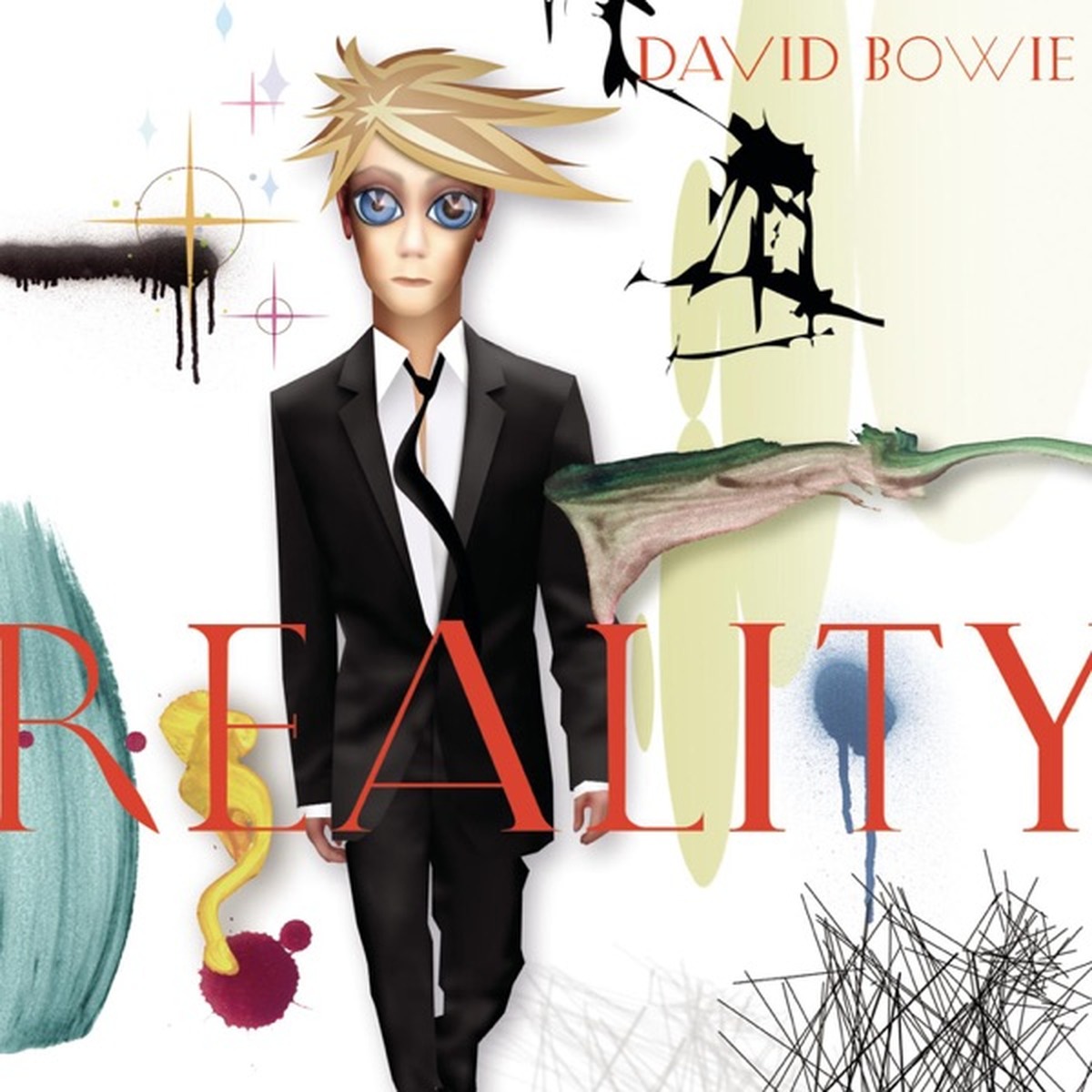
Reality
September 15, 2003
Rock, pop rock
🛍 Shop Music
 T-Shirt
David Bowie
David Bowie - Rebel Rebel Lightning Lyric T-Shirt
Amazon ↗
T-Shirt
David Bowie
David Bowie - Rebel Rebel Lightning Lyric T-Shirt
Amazon ↗
 T-Shirt
David Bowie
David Bowie - Blackstar T-Shirt
Amazon ↗
T-Shirt
David Bowie
David Bowie - Blackstar T-Shirt
Amazon ↗
 Merch
David Bowie
Womens David Bowie - Pink Lightning
Amazon ↗
Merch
David Bowie
Womens David Bowie - Pink Lightning
Amazon ↗
 T-Shirt
Vintage Zeppelin 80s
Vintage Zeppelin 80s Dirigible Retro Airship Mens & Womens T-Shirt
Amazon ↗
T-Shirt
Vintage Zeppelin 80s
Vintage Zeppelin 80s Dirigible Retro Airship Mens & Womens T-Shirt
Amazon ↗
 Hoodie
The Libertines
The Libertines Red Logo Sweatshirt
Amazon ↗
Hoodie
The Libertines
The Libertines Red Logo Sweatshirt
Amazon ↗
 Vinyl
Madonna
Like a Virgin - Exclusive Limited Edition
Amazon ↗
Vinyl
Madonna
Like a Virgin - Exclusive Limited Edition
Amazon ↗
 Merch
Red Hot Chili Peppers
Red Hot Chili Peppers Embroidered Logo Black Colorway Adjustable Snapback Hat
Amazon ↗
Merch
Red Hot Chili Peppers
Red Hot Chili Peppers Embroidered Logo Black Colorway Adjustable Snapback Hat
Amazon ↗
 CD
Nine Inch Nails
Hesitation Marks Deluxe Version
Amazon ↗
CD
Nine Inch Nails
Hesitation Marks Deluxe Version
Amazon ↗
 T-Shirt
Queen
QUEEN T Shirts for Women
Amazon ↗
T-Shirt
Queen
QUEEN T Shirts for Women
Amazon ↗
 Hoodie
Leonard Cohen
Cohen Name Pullover Hoodie
Amazon ↗
Hoodie
Leonard Cohen
Cohen Name Pullover Hoodie
Amazon ↗
 Vinyl
Lenny Kravitz
Black and White America Black Rocktober 2025) Vinyl
Amazon ↗
Vinyl
Lenny Kravitz
Black and White America Black Rocktober 2025) Vinyl
Amazon ↗
 Merch
Foo Fighters
Foo Fighters 'FF Logo'
Amazon ↗
Merch
Foo Fighters
Foo Fighters 'FF Logo'
Amazon ↗
 CD
The Mamas & The Papas
If You Can Believe Your Eyes And Ears
Amazon ↗
CD
The Mamas & The Papas
If You Can Believe Your Eyes And Ears
Amazon ↗
 T-Shirt
Tool
FEA Men's Tool Spectre Spiral Vicarious Men's T-Shirt
Amazon ↗
T-Shirt
Tool
FEA Men's Tool Spectre Spiral Vicarious Men's T-Shirt
Amazon ↗
 Hoodie
Oasis
Oasis Definitely Maybe T-Shirt
Amazon ↗
Hoodie
Oasis
Oasis Definitely Maybe T-Shirt
Amazon ↗
 Vinyl
Boyz II Men
Boyz II Men — II
Amazon ↗
Vinyl
Boyz II Men
Boyz II Men — II
Amazon ↗
 Merch
Nirvana
Nirvana T Shirt Unplugged
Amazon ↗
Merch
Nirvana
Nirvana T Shirt Unplugged
Amazon ↗
 CD
Bob Dylan
Bob Dylan — Highway 61 Revisited
Amazon ↗
CD
Bob Dylan
Bob Dylan — Highway 61 Revisited
Amazon ↗
 T-Shirt
Ramones
Ramones Presidential Seal T-Shirt
Amazon ↗
T-Shirt
Ramones
Ramones Presidential Seal T-Shirt
Amazon ↗
 Hoodie
Rush
Rush Starman Logo Pull Over Hoodie Black | Officially Licensed Merchandise
Amazon ↗
Hoodie
Rush
Rush Starman Logo Pull Over Hoodie Black | Officially Licensed Merchandise
Amazon ↗
 Vinyl
Iggy Pop
Iggy Pop — Lust for Life Vinyl
Amazon ↗
Vinyl
Iggy Pop
Iggy Pop — Lust for Life Vinyl
Amazon ↗
 Merch
Music Guitar Table
Music Guitar Table Lamp Art Decor Guitar Stuff Cool Gifts for Music Art Lovers
Amazon ↗
Merch
Music Guitar Table
Music Guitar Table Lamp Art Decor Guitar Stuff Cool Gifts for Music Art Lovers
Amazon ↗
 CD
The Libertines
The Libertines
Amazon ↗
CD
The Libertines
The Libertines
Amazon ↗
 T-Shirt
Rolling Stones
Rolling Stones Official Distressed Tongue T-Shirt
Amazon ↗
T-Shirt
Rolling Stones
Rolling Stones Official Distressed Tongue T-Shirt
Amazon ↗
 Hoodie
Lenny Kravitz
Lenny Kravitz Let Love Rule Photo Pullover Hoodie
Amazon ↗
Hoodie
Lenny Kravitz
Lenny Kravitz Let Love Rule Photo Pullover Hoodie
Amazon ↗
 Vinyl
The Libertines
The Libertines
Amazon ↗
Vinyl
The Libertines
The Libertines
Amazon ↗
 Merch
Foot Traffic Men's
Foot Traffic Men's Music-Themed Socks, Guitar Neck
Amazon ↗
Merch
Foot Traffic Men's
Foot Traffic Men's Music-Themed Socks, Guitar Neck
Amazon ↗
 CD
Leonard Cohen
New Skin For The Old Ceremony
Amazon ↗
CD
Leonard Cohen
New Skin For The Old Ceremony
Amazon ↗
 T-Shirt
Bob Marley
Bob Marley Catch A Fire Guitar Tee T-Shirt
Amazon ↗
T-Shirt
Bob Marley
Bob Marley Catch A Fire Guitar Tee T-Shirt
Amazon ↗
 Hoodie
Nine Inch Nails
Nine Inch Nails Downward Spiral Pullover Hoodie
Amazon ↗
Hoodie
Nine Inch Nails
Nine Inch Nails Downward Spiral Pullover Hoodie
Amazon ↗
 Vinyl
Madonna
Music
Amazon ↗
Vinyl
Madonna
Music
Amazon ↗
 Merch
Onebttl Cup Music
Onebttl Cup Music Lover Gifts (Black)
Amazon ↗
Merch
Onebttl Cup Music
Onebttl Cup Music Lover Gifts (Black)
Amazon ↗
 CD
The Mamas & The Papas
The Mamas & The Papas Deliver
Amazon ↗
CD
The Mamas & The Papas
The Mamas & The Papas Deliver
Amazon ↗
 T-Shirt
New Order
New Order Unisex-Adult Standard Blue Monday T-Shirt
Amazon ↗
T-Shirt
New Order
New Order Unisex-Adult Standard Blue Monday T-Shirt
Amazon ↗
 Hoodie
Bob Dylan
Bob Dylan - Blood On The Tracks Pullover Hoodie
Amazon ↗
Hoodie
Bob Dylan
Bob Dylan - Blood On The Tracks Pullover Hoodie
Amazon ↗
 Vinyl
Oasis
Oasis Definitely Maybe Vinyl
Amazon ↗
Vinyl
Oasis
Oasis Definitely Maybe Vinyl
Amazon ↗
 Merch
Bob Dylan
Bob Dylan Socks Guitar Pattern Logo
Amazon ↗
Merch
Bob Dylan
Bob Dylan Socks Guitar Pattern Logo
Amazon ↗
 CD
The Mamas & The Papas
The Mamas & The Papas
Amazon ↗
CD
The Mamas & The Papas
The Mamas & The Papas
Amazon ↗
 T-Shirt
Dark Red Colored
Dark Red Colored Star on Multiple Colors T-Shirt
Amazon ↗
T-Shirt
Dark Red Colored
Dark Red Colored Star on Multiple Colors T-Shirt
Amazon ↗
 Hoodie
Nine Inch Nails
Nine Inch Nails Hoodie Classic Band
Amazon ↗
Hoodie
Nine Inch Nails
Nine Inch Nails Hoodie Classic Band
Amazon ↗
 Vinyl
Nirvana
BLEACH
Amazon ↗
Vinyl
Nirvana
BLEACH
Amazon ↗
 Merch
Rush
Rush Men's Starman Tour 1978 T-Shirt Navy | Officially Licensed Merchandise
Amazon ↗
Merch
Rush
Rush Men's Starman Tour 1978 T-Shirt Navy | Officially Licensed Merchandise
Amazon ↗
 CD
Lenny Kravitz
Black And White America CD
Amazon ↗
CD
Lenny Kravitz
Black And White America CD
Amazon ↗
 T-Shirt
Crosby Music Stills
Crosby Music Stills Band Nash & Young T-Shirt
Amazon ↗
T-Shirt
Crosby Music Stills
Crosby Music Stills Band Nash & Young T-Shirt
Amazon ↗
 Vinyl
Madonna
Erotica - Madonna
Amazon ↗
Vinyl
Madonna
Erotica - Madonna
Amazon ↗
 Merch
Nirvana
Nirvana - In Utero Tour
Amazon ↗
Merch
Nirvana
Nirvana - In Utero Tour
Amazon ↗
 CD
Boyz II Men
II DTS Surround Sound Edition by Boyz II Men (1997) Audio CD
Amazon ↗
CD
Boyz II Men
II DTS Surround Sound Edition by Boyz II Men (1997) Audio CD
Amazon ↗
 T-Shirt
Sex Pistols
Sex Pistols Official Japan Tour Front Logo T-Shirt
Amazon ↗
T-Shirt
Sex Pistols
Sex Pistols Official Japan Tour Front Logo T-Shirt
Amazon ↗
 Vinyl
Leonard Cohen
New Skin For The Old Ceremony
Amazon ↗
Vinyl
Leonard Cohen
New Skin For The Old Ceremony
Amazon ↗
 Merch
Leonard Cohen
Unified Heart Leonard Cohen Pendant Handmade Sterling Silver 925 Ring
Amazon ↗
Merch
Leonard Cohen
Unified Heart Leonard Cohen Pendant Handmade Sterling Silver 925 Ring
Amazon ↗

Best of Bowie
October 22, 2002
Rock

Heathen (David Bowie album)
June 10, 2002
Art rock, art pop

Hours
September 21, 1999
Pop rock, art pop

Earthling
February 03, 1997
Industrial rock, electronica, drum and bass, jungle, techno

Outside
September 25, 1995
Art rock, experimental rock, industrial rock, avant-garde jazz, electronica, am…

The Buddha of Suburbia (album)
November 08, 1993
Rock, pop, ambient, jazz, experimental

The Singles Collection
November 08, 1993
Rock, glam rock, art rock

Black Tie White Noise
April 05, 1993
Art rock, electronic, soul

Tonight
September 24, 1984
Pop, blue-eyed soul, dance, rock

Let's Dance
April 14, 1983
Post-disco, dance-rock, new wave, dance-pop

Scary Monsters and Super Creeps
September 12, 1980
Art rock, new wave, post-punk

Lodger
May 25, 1979
Art rock, experimental rock, avant-pop, world, new wave

Stage (David Bowie album)
September 29, 1978
Rock
Heroes
October 14, 1977
Art rock, experimental rock, electronic, ambient

Low
January 14, 1977
Art rock, avant-pop, electronic, ambient, experimental rock

Changesonebowie
May 21, 1976
Rock, glam rock, art rock

Station to Station
January 23, 1976
Art rock, funk, R&B

Young Americans
March 07, 1975
Blue-eyed soul, R&B, Philadelphia soul

David Live
October 29, 1974
Glam rock, Philadelphia soul, blue-eyed soul

Diamond Dogs
May 24, 1974
Glam rock, proto-punk, soul, art rock

Pin Ups
October 19, 1973
Glam rock, proto-punk

Aladdin Sane
April 13, 1973
Glam rock, hard rock

The Rise and Fall of Ziggy Stardust and the Spiders from Mars
June 16, 1972
Glam rock, proto-punk

Hunky Dory
December 17, 1971
Art pop, pop rock

The Man Who Sold the World
November 04, 1970
Hard rock, blues rock, folk rock, psychedelic rock

David Bowie (1969 album)
November 14, 1969
Folk rock, psychedelic rock

David Bowie (1967 album)
June 01, 1967
Baroque pop, music hall
Musicians / Members connected to David Bowie
FAQ about David Bowie
What genre is David Bowie?
David Bowie is commonly associated with Rock, Glam rock, Art rock, Pop, Electronic.
Where is David Bowie from?
David Bowie is from Brixton, London, England.
How many albums by David Bowie are listed on musicOnOff?
musicOnOff currently lists 31 albums by David Bowie.
