
Black Tie White Noise
by David Bowie
Released: April 05, 1993
Art rock, electronic, soul
Shop David Bowie
Amazon affiliate linksWhy This Album Matters
This album matters because its strongest editorial story is: Genre Shift.
The Album
The album was influenced by Bowie's personal experiences, including his marriage to Somali-American model Iman, as well as his observations on race relations and social issues. "Black Tie White Noise" is the eighteenth studio album by English musician David Bowie, released in 1993. It marked a significant departure from Bowie's previous albums, incorporating elements of jazz, soul, and electronic music into his signature rock sound.
Interesting Facts
Musically, the album features a diverse range of…
Musically, the album features a diverse range of styles, from the jazz-inflected grooves of "The Wedding" to the electronic dance beats of "Jump They Say" and the soulful balladry of "Miracle Goodnight." Bowie's distinctive vocals and innovative songwriting shine throughout the album, showcasing his ability to evolve and reinvent himself as an artist.
It serves as a testament to Bowie's ongoing…
It serves as a testament to Bowie's ongoing evolution as an artist and his commitment to pushing the boundaries of popular music.
The title "Black Tie White Noise" reflects Bowie's…
The title "Black Tie White Noise" reflects Bowie's exploration of themes related to race, identity, and cultural diversity.
Overall, "Black Tie White Noise" remains a noteworthy…
Overall, "Black Tie White Noise" remains a noteworthy entry in David Bowie's discography, showcasing his willingness to take creative risks and explore new musical territories.
Explore the Album
David Bowie - Black Tie White Noise
Open in Albums Gallery
Reception
Nevertheless, it achieved commercial success, reaching the top ten in several countries and spawning several hit singles. "Black Tie White Noise" received mixed reviews from critics upon its release, with some praising Bowie's experimentation and adventurous spirit, while others found the album to be uneven in its execution.
The Complete Album Story
"Black Tie White Noise" is the eighteenth studio album by English musician David Bowie, released in 1993. It marked a significant departure from Bowie's previous albums, incorporating elements of jazz, soul, and electronic music into his signature rock sound.
The album was influenced by Bowie's personal experiences, including his marriage to Somali-American model Iman, as well as his observations on race relations and social issues. The title "Black Tie White Noise" reflects Bowie's exploration of themes related to race, identity, and cultural diversity.
Musically, the album features a diverse range of styles, from the jazz-inflected grooves of "The Wedding" to the electronic dance beats of "Jump They Say" and the soulful balladry of "Miracle Goodnight." Bowie's distinctive vocals and innovative songwriting shine throughout the album, showcasing his ability to evolve and reinvent himself as an artist.
"Black Tie White Noise" received mixed reviews from critics upon its release, with some praising Bowie's experimentation and adventurous spirit, while others found the album to be uneven in its execution. Nevertheless, it achieved commercial success, reaching the top ten in several countries and spawning several hit singles.
Overall, "Black Tie White Noise" remains a noteworthy entry in David Bowie's discography, showcasing his willingness to take creative risks and explore new musical territories. It serves as a testament to Bowie's ongoing evolution as an artist and his commitment to pushing the boundaries of popular music.
More Art rock Albums
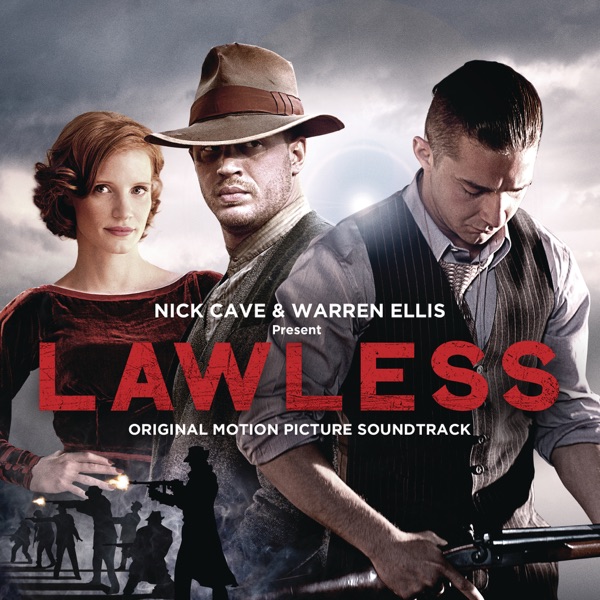 Nick Cave and Warren Ellis - Carnage
 Arcade Fire - Reflektor
 TV on the Radio - Nine Types of Light
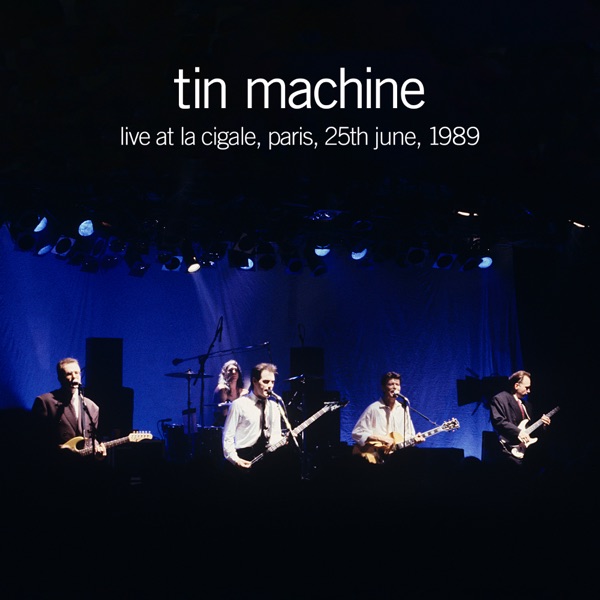 Tin Machine - Tin Machine (album)
 The Velvet Underground - VU (album)
 Radiohead - Kid A Mnesia
 Yes - Union (Yes album)
 Captain Beefheart and the Magic Band - Clear Spot
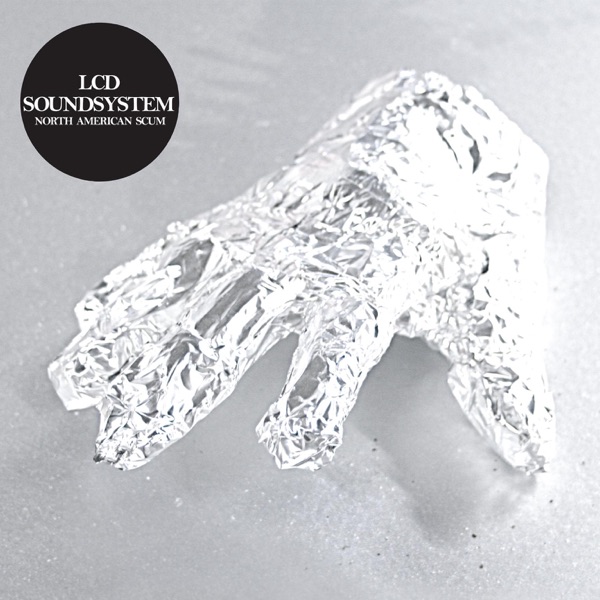 LCD Soundsystem - American Dream
 Peter Gabriel - Flotsam and Jetsam
 Brian Eno - Here Come the Warm Jets

Join the Conversation
Share your thoughts about this album.
Please log in to add a comment.
No comments yet. Be the first to comment.