
The Man Who Sold the World
by David Bowie
Released: November 04, 1970
Hard rock, blues rock, folk rock, psychedelic rock
Shop David Bowie
Amazon affiliate linksWhy This Album Matters
This album matters because its strongest editorial story is: Breakthrough.
The Album
Originally titled Metrobolist, the name was changed at the last minute by Mercury Records, a decision made without Bowie's consent. Released on November 4, 1970, in the U.S. and on April 10, 1971, in the U.K., it introduced future Spiders from Mars members Mick Ronson and Mick Woodmansey. The album's production by Tony Visconti captures a heavier sound infused with blues rock elements.
Interesting Facts
Its lyrics delve into darker themes such as…
Its lyrics delve into darker themes such as insanity, technology, and identity crises, reflecting influences from figures like Nietzsche and Kafka.
Cover Art: The U.S. version features a cartoonish…
Cover Art: The U.S. version features a cartoonish design by Michael J. Weller depicting a cowboy in front of an asylum, while the U.K. cover showcases Bowie in a blue dress designed by Michael Fish, hinting at his androgynous persona.
The album features tracks like "The Width of…
The album features tracks like "The Width of a Circle," known for its progressive rock influences and haunting guitar work, and "All the Madmen," which addresses themes of institutional madness.
Other notable songs include "Running Gun Blues" and…
Other notable songs include "Running Gun Blues" and the title track, which are characterized by their heavy sound and thought-provoking lyrics.
Essential Tracks
The Man Who Sold The World
"The Man Who Sold the World" is a pivotal album in David Bowie's discography, marking his transition from folk rock to hard rock.
Explore the Album
David Bowie - The Man Who Sold the World
Open in Albums Gallery
Reception
"The Man Who Sold the World" is a pivotal album in David Bowie's discography, marking his transition from folk rock to hard rock. Initially, the album did not achieve commercial success, selling poorly upon release. However, it gained critical acclaim over the years, with many considering it the start of Bowie's "classic period." It was reissued in 1972 and has since been remixed and re-released multiple times, including a 2020 version celebrating its 50th anniversary.
The Complete Album Story
"The Man Who Sold the World" is a pivotal album in David Bowie's discography, marking his transition from folk rock to hard rock. Released on November 4, 1970, in the U.S. and on April 10, 1971, in the U.K., it introduced future Spiders from Mars members Mick Ronson and Mick Woodmansey.
The album's production by Tony Visconti captures a heavier sound infused with blues rock elements. Its lyrics delve into darker themes such as insanity, technology, and identity crises, reflecting influences from figures like Nietzsche and Kafka. Originally titled Metrobolist, the name was changed at the last minute by Mercury Records, a decision made without Bowie's consent.
Cover Art: The U.S. version features a cartoonish design by Michael J. Weller depicting a cowboy in front of an asylum, while the U.K. cover showcases Bowie in a blue dress designed by Michael Fish, hinting at his androgynous persona.
Initially, the album did not achieve commercial success, selling poorly upon release. However, it gained critical acclaim over the years, with many considering it the start of Bowie's "classic period." It was reissued in 1972 and has since been remixed and re-released multiple times, including a 2020 version celebrating its 50th anniversary.
The album features tracks like "The Width of a Circle," known for its progressive rock influences and haunting guitar work, and "All the Madmen," which addresses themes of institutional madness. Other notable songs include "Running Gun Blues" and the title track, which are characterized by their heavy sound and thought-provoking lyrics.
Ultimately, The Man Who Sold the World is recognized as a significant milestone in rock history, foreshadowing Bowie's future innovations and stylistic changes.
More Hard rock Albums
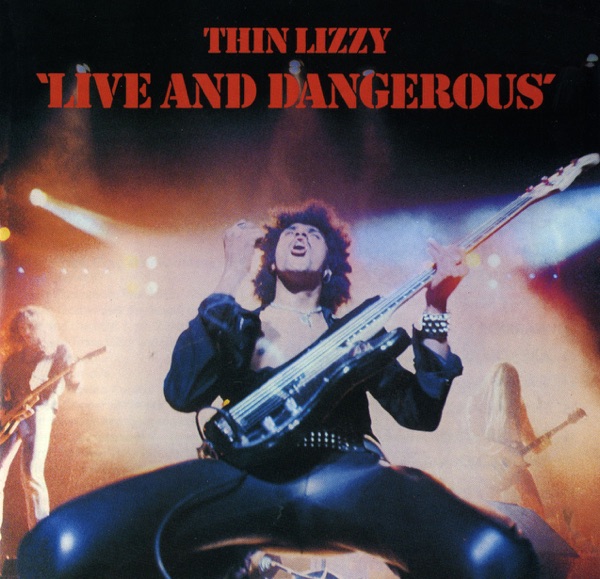 Thin Lizzy - Live and Dangerous
 Thin Lizzy - Black Rose: A Rock Legend
 Frankie Goes to Hollywood - Liverpool
 Led Zeppelin - Mothership
 Emerson, Lake & Palmer - Emerson, Lake & Powell
 Queen - News of the World
 Whitesnake - Good to Be Bad
 Bad Company - Straight Shooter (Bad Company album)
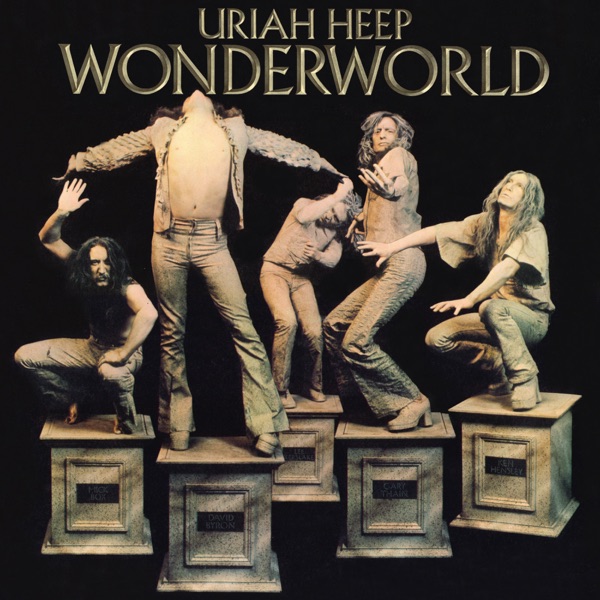 Uriah Heep - Wonderworld
 Deep Purple - The Book of Taliesyn
 Audioslave - Out of Exile
 Vanilla Fudge - Out Through the In Door

Join the Conversation
Share your thoughts about this album.
Please log in to add a comment.
No comments yet. Be the first to comment.