
The Buddha of Suburbia (album)
by David Bowie
Released: November 08, 1993
Rock, pop, ambient, jazz, experimental
Shop David Bowie
Amazon affiliate linksWhy This Album Matters
This album matters because its strongest editorial story is: Experimental Album.
The Album
The music captures the essence of the book's themes, like identity and cultural conflicts, blended with Bowie’s personal reflections on suburban life. "The Buddha of Suburbia" is a studio album by English musician David Bowie, released on November 8, 1993. **Background:** David Bowie took inspiration from his own early life in the suburbs of London, similar to the novel's themes, and worked on the album after the transitional period of the early 1990s.
Inside the Recording
He collaborated with musician and producer Erdal Kizilcay, and the album stands out as an eclectic mixture of styles, including rock, jazz, ambient, and experimental music.
Interesting Facts
It is an interesting work that initially started…
It is an interesting work that initially started as a soundtrack project for the BBC television adaptation of Hanif Kureishi’s novel "The Buddha of Suburbia." However, Bowie expanded it into a standalone album.
**Content and Style:** The album features tracks that…
**Content and Style:** The album features tracks that are both instrumental and lyrical.
The title track, "The Buddha of Suburbia," was…
The title track, "The Buddha of Suburbia," was released as a single.
Overall, "The Buddha of Suburbia" represents Bowie's ability…
Overall, "The Buddha of Suburbia" represents Bowie's ability to merge literary inspiration with musical innovation, showcasing his versatility and creative prowess during the 1990s.
Explore the Album
David Bowie - The Buddha of Suburbia (album)
Open in Albums Gallery
Reception
Critics often note its experimental qualities and integration of different musical styles. **Reception:** Though it didn't perform strongly in the charts upon its release, partly due to marketing challenges and limited distribution, it has been reappraised over time and is considered a hidden gem in Bowie’s discography.
Legacy
**Reception:** Though it didn't perform strongly in the charts upon its release, partly due to marketing challenges and limited distribution, it has been reappraised over time and is considered a hidden gem in Bowie’s discography.
The Complete Album Story
"The Buddha of Suburbia" is a studio album by English musician David Bowie, released on November 8, 1993. It is an interesting work that initially started as a soundtrack project for the BBC television adaptation of Hanif Kureishi’s novel "The Buddha of Suburbia." However, Bowie expanded it into a standalone album.
**Background:**
David Bowie took inspiration from his own early life in the suburbs of London, similar to the novel's themes, and worked on the album after the transitional period of the early 1990s. He collaborated with musician and producer Erdal Kizilcay, and the album stands out as an eclectic mixture of styles, including rock, jazz, ambient, and experimental music.
**Content and Style:**
The album features tracks that are both instrumental and lyrical. The title track, "The Buddha of Suburbia," was released as a single. The music captures the essence of the book's themes, like identity and cultural conflicts, blended with Bowie’s personal reflections on suburban life.
**Reception:**
Though it didn't perform strongly in the charts upon its release, partly due to marketing challenges and limited distribution, it has been reappraised over time and is considered a hidden gem in Bowie’s discography. Critics often note its experimental qualities and integration of different musical styles.
Overall, "The Buddha of Suburbia" represents Bowie's ability to merge literary inspiration with musical innovation, showcasing his versatility and creative prowess during the 1990s.
More Rock Albums
 The Lemon Twigs - Songs for the General Public
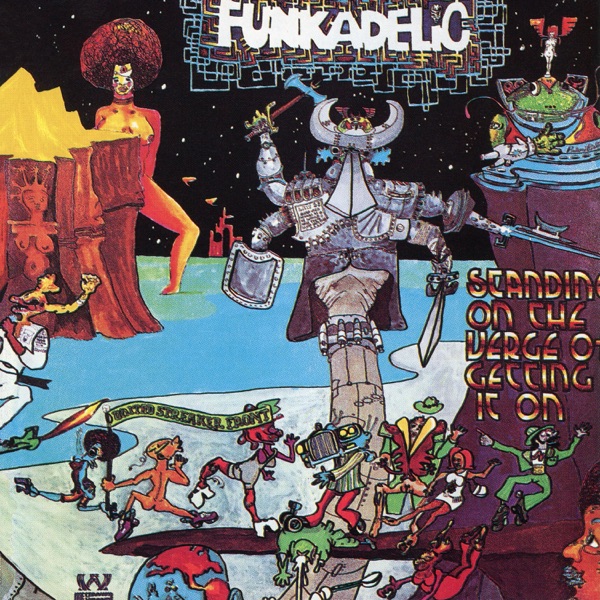 Funkadelic - Standing on the Verge of Getting It On
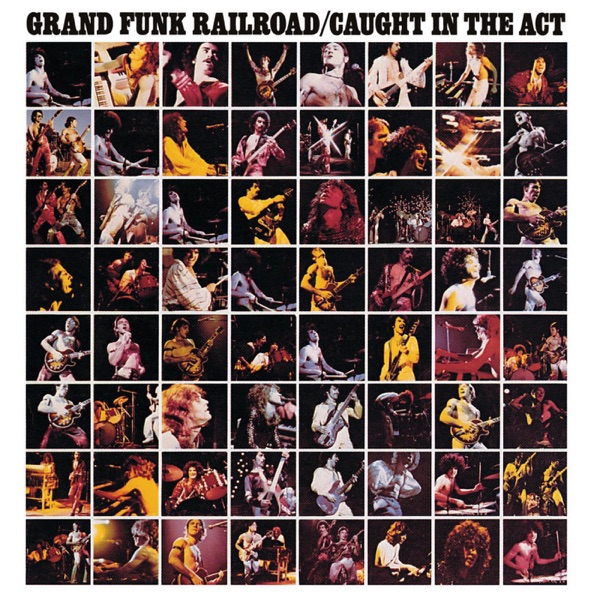 Grand Funk Railroad - Caught in the Act
 Roy Orbison - Roy Orbison's Many Moods
 Gamma - Gamma 1
 Big Country - Peace in Our Time
 Echo & the Bunnymen - Evergreen
 Fiona Apple - The Idler Wheel...
 The Allman Brothers Band - The Road Goes On Forever
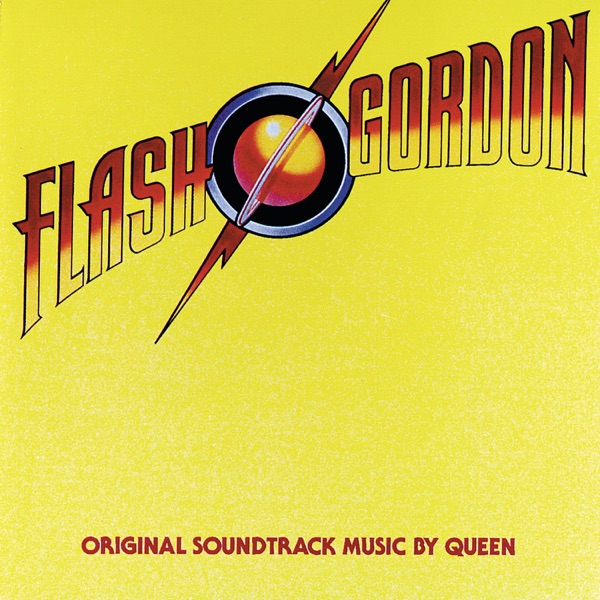 Queen - Flash Gordon (soundtrack)
 Red House Painters - Ocean Beach (album)

Join the Conversation
Share your thoughts about this album.
Please log in to add a comment.
No comments yet. Be the first to comment.