
Hunky Dory
by David Bowie
Released: December 17, 1971
Art pop, pop rock
Shop David Bowie
Amazon affiliate linksWhy This Album Matters
This album matters because its strongest editorial story is: Breakthrough.
The Album
"Hunky Dory" is the fourth studio album by the iconic English musician David Bowie, released in 1971. The album demonstrates his versatility as a songwriter and performer. "Hunky Dory" is known for its diverse musical styles, showcasing Bowie's ability to experiment with different genres.
Inside the Recording
The album was produced by Ken Scott and features notable collaborations, including contributions from Rick Wakeman on piano.
Interesting Facts
It incorporates elements of folk, rock, cabaret, and…
It incorporates elements of folk, rock, cabaret, and glam rock.
The album includes several standout tracks that have…
The album includes several standout tracks that have become classics, including "Changes," "Life on Mars?," "Oh!
You Pretty Things," and "Queen Bitch." These songs…
You Pretty Things," and "Queen Bitch." These songs showcase Bowie's lyrical prowess, musical innovation, and theatrical delivery.
The lyrics of "Hunky Dory" are notable for…
The lyrics of "Hunky Dory" are notable for their introspective and often surreal nature.
Bowie explores themes of identity, fame, artistic expression…
Bowie explores themes of identity, fame, artistic expression, and the challenges of the human experience.
Essential Tracks
Changes
The album includes several standout tracks that have become classics, including "Changes," "Life on Mars?," "Oh!
Explore the Album
David Bowie - Hunky Dory
Open in Albums Gallery
Reception
The album marks a transition from the hard rock sound of Bowie's previous album, "The Man Who Sold the World." Considered a pivotal point in Bowie's career, "Hunky Dory" reflects his artistic growth and a move toward a more eclectic and sophisticated sound. "Hunky Dory" received critical acclaim upon its release and has since been regarded as one of Bowie's finest works. It laid the groundwork for the creative explosion that would follow with albums like "Ziggy Stardust" and "Aladdin Sane." Its enduring popularity is evidenced by its continued critical acclaim and its status as a fan favorite.
Legacy
In summary, "Hunky Dory" is a landmark album that showcases David Bowie's artistic evolution and versatility. "Hunky Dory" received critical acclaim upon its release and has since been regarded as one of Bowie's finest works. Its influence extends beyond its initial reception, with subsequent generations of musicians citing it as an inspiration.
The Complete Album Story
"Hunky Dory" is the fourth studio album by the iconic English musician David Bowie, released in 1971.
"Hunky Dory" is known for its diverse musical styles, showcasing Bowie's ability to experiment with different genres. It incorporates elements of folk, rock, cabaret, and glam rock. The album marks a transition from the hard rock sound of Bowie's previous album, "The Man Who Sold the World."
Considered a pivotal point in Bowie's career, "Hunky Dory" reflects his artistic growth and a move toward a more eclectic and sophisticated sound. The album demonstrates his versatility as a songwriter and performer.
The album includes several standout tracks that have become classics, including "Changes," "Life on Mars?," "Oh! You Pretty Things," and "Queen Bitch." These songs showcase Bowie's lyrical prowess, musical innovation, and theatrical delivery.
The lyrics of "Hunky Dory" are notable for their introspective and often surreal nature. Bowie explores themes of identity, fame, artistic expression, and the challenges of the human experience. "Changes," in particular, has been celebrated for its poignant commentary on transformation.
"Hunky Dory" received critical acclaim upon its release and has since been regarded as one of Bowie's finest works. Its influence extends beyond its initial reception, with subsequent generations of musicians citing it as an inspiration.
The album captures the zeitgeist of the early 1970s and the burgeoning glam rock movement. Bowie's androgynous image and theatricality on "Hunky Dory" set the stage for his later persona as Ziggy Stardust.
The album was produced by Ken Scott and features notable collaborations, including contributions from Rick Wakeman on piano. The production is characterized by a clarity that allows each instrument and vocal line to be heard distinctly.
"Hunky Dory" is part of David Bowie's legacy as a groundbreaking artist. It laid the groundwork for the creative explosion that would follow with albums like "Ziggy Stardust" and "Aladdin Sane." Its enduring popularity is evidenced by its continued critical acclaim and its status as a fan favorite.
In summary, "Hunky Dory" is a landmark album that showcases David Bowie's artistic evolution and versatility. With its eclectic mix of genres, memorable lyrics, and iconic tracks, it remains a testament to Bowie's genius and a key chapter in the history of rock music.
More Art pop Albums
 10CC - Deceptive Bends
 Fiona Apple - The Idler Wheel...
 Simple Minds - New Gold Dream (81–82–83–84)
 Peter Gabriel - I/O
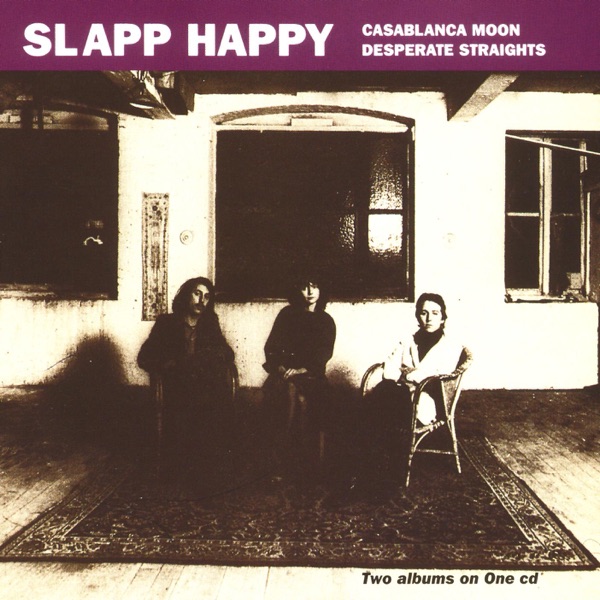 Slapp Happy - Slapp Happy (album)
 Roxy Music - Flesh and Blood (Roxy Music album)
 Todd Rundgren - A Cappella (Todd Rundgren album)
 The Wolfgang Press - Standing Up Straight
 Björk - Family Tree
 Laurie Anderson - Big Science (Laurie Anderson album)
 Björk - Debut (Björk album)

Join the Conversation
Share your thoughts about this album.
Please log in to add a comment.
No comments yet. Be the first to comment.