 By Admin
·
November 13, 2023
By Admin
·
November 13, 2023
"Movement" by New Order, released in November 13, 1981
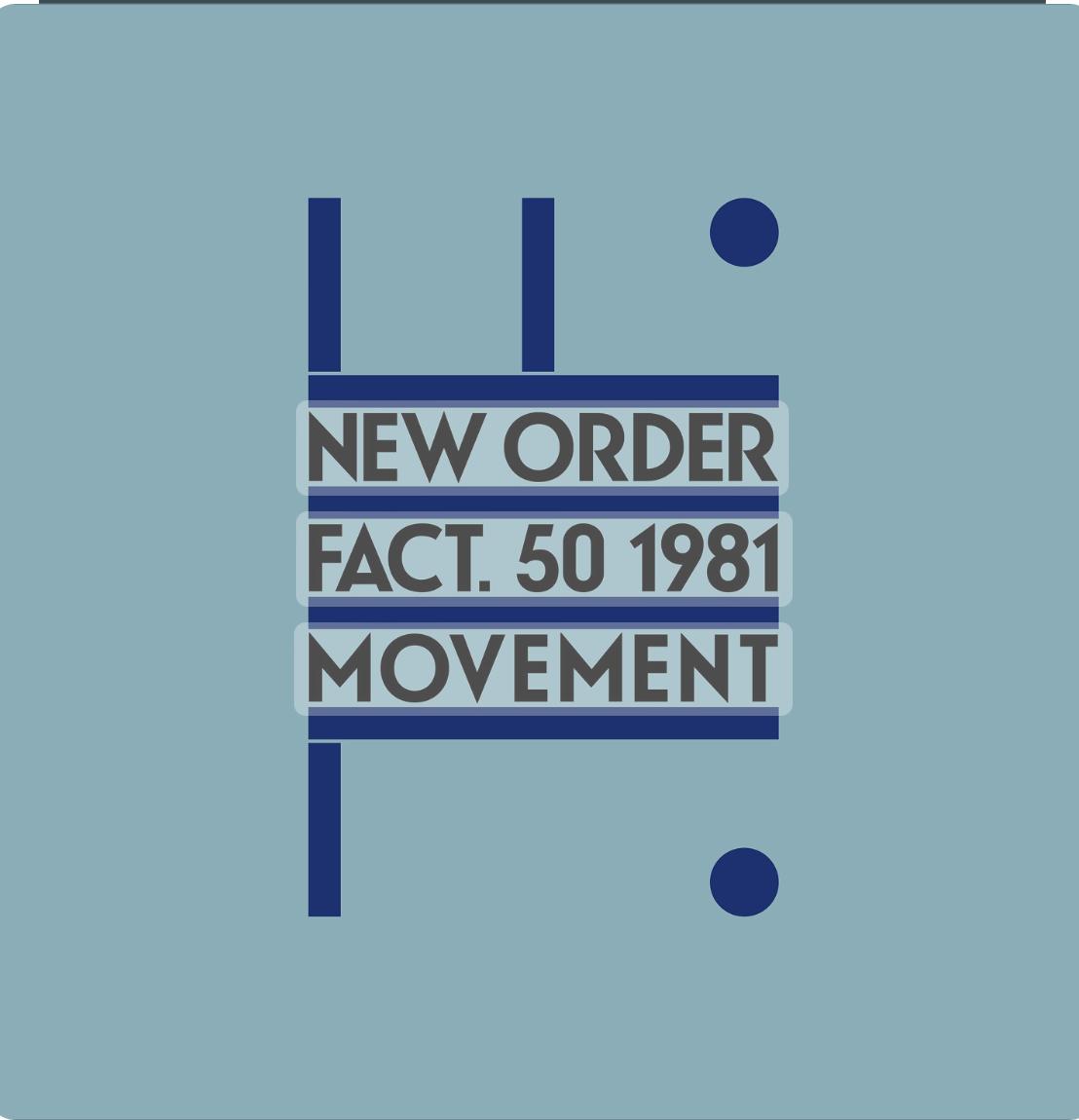
"Movement" is the debut studio album by New Order, released in 1981. Here are some thoughts on the album:
Transition from Joy Division: "Movement" marked the transition for the members of New Order from their previous band, Joy Division, following the tragic death of Joy Division's lead singer Ian Curtis. The album reflects both a departure from and a continuation of the post-punk sound of Joy Division.
Featured Album Video

New Order - Movement
Read the full album story
Mood and Atmosphere: The album carries a somber and atmospheric mood, which is not surprising given the circumstances surrounding its creation. There's a sense of both mourning and moving forward evident in the music.
Experimental Elements: "Movement" showcases the band's willingness to experiment with electronic and synth elements. This experimentation laid the groundwork for the distinctive synth-pop sound that would become synonymous with New Order in later years.
Peter Hook's Basslines: Peter Hook's basslines remain a standout feature on the album. His melodic and distinctive bass playing style is a key component of New Order's early sound.
Transition to Electronic Music: While still rooted in post-punk, "Movement" hints at the electronic direction New Order would fully embrace in subsequent albums. The use of synthesizers and electronic drums foreshadows the band's evolution.
Key Tracks: Songs like "Dreams Never End" and "Truth" are notable for their blend of guitar-driven rock elements and emerging synth-pop sensibilities. The album's closer, "Denial," is particularly poignant and showcases the band's ability to convey emotion through their music.
Critical Reception: "Movement" received mixed reviews upon its release, with some critics unsure of how to categorize the band's new sound. Over time, it has been reevaluated and appreciated for its role in New Order's evolution.
Historical Significance: In the context of New Order's discography, "Movement" holds historical significance as the starting point for a band that would go on to shape the electronic and alternative music scenes in the years to come.
"Movement" captures a band in transition, navigating the challenges of moving forward after a tragic loss. It's an album that laid the foundation for New Order's future sonic explorations.
More Post-Punk Albums
 Pulp - Freaks
 The Wedding Present - Bizarro
 Simple Minds - The Best of Simple Minds
 Cabaret Voltaire - Mix-Up
 The Birthday Party - Door, Door
 A Certain Ratio - To Each...
 Thompson Twins - Set
 The Replacements - Pleased to Meet Me
 Pink Turns Blue - If Two Worlds Kiss
 Pere Ubu - Datapanik in the Year Zero
 Modest Mouse - No One's First, and You're Next
 Tubeway Army - Replicas (album)

Join the Conversation
Share your thoughts about this music story.
No comments yet. Be the first to comment.