
Movement
by New Order
Released: November 13, 1981
Post-punk
Shop New Order
Amazon affiliate linksWhy This Album Matters
This album matters because its strongest editorial story is: Cult Following.
The Album
"Movement" is the debut studio album by English rock band New Order, released on 13 November 1981 by Factory Records. Despite not being widely acclaimed upon its release, Movement has since been recognized as a transitional record that bridges the gap between the band's post-punk roots and their later, more electronic dance-oriented work. The album was recorded after Curtis' death by the remaining members of Joy Division—Bernard Sumner, Peter Hook, and Stephen Morris—who decided to form a new band, New Order.
Inside the Recording
However, during the recording process, tensions between Hannett and the band grew, and his relationship with them had deteriorated due to personal struggles, including substance abuse. Movement was produced by Martin Hannett, who had worked with Joy Division on their albums.
Interesting Facts
The design includes the letters "F" and "L,"…
The design includes the letters "F" and "L," representing Factory Records and the Roman numeral for 50, signifying the album's catalog number, FACT 50.
The album was created in the aftermath of…
The album was created in the aftermath of Joy Division frontman Ian Curtis' suicide the previous year and represents a continuation of the dark, post-punk sound of Joy Division, but with an increased use of synthesizers.
Early live shows featured some songs from their…
Early live shows featured some songs from their Joy Division days, including "Ceremony" and "In a Lonely Place." At the start, it was unclear who would take on the role of lead vocalist, with Sumner, Hook, and Morris each taking turns singing.
However, Sumner was eventually chosen as the primary…
However, Sumner was eventually chosen as the primary vocalist.
The addition of Gillian Gilbert on keyboards and…
The addition of Gillian Gilbert on keyboards and guitar later in 1980 helped shape the band's evolving sound, allowing for a more electronic direction.
Essential Tracks
ICB
It includes tracks that evoke the spirit of Joy Division, such as the song "ICB" (an acronym for "Ian Curtis Buried").
Explore the Album
New Order - Movement
Open in Albums Gallery
Reception
Though Movement did not achieve significant commercial success at the time, peaking at number 30 on the UK Albums Chart, it has since become a cult classic and is seen as an important starting point for the band's future direction, leading to their pioneering work in the alternative dance genre.
The Complete Album Story
"Movement" is the debut studio album by English rock band New Order, released on 13 November 1981 by Factory Records. The album was created in the aftermath of Joy Division frontman Ian Curtis' suicide the previous year and represents a continuation of the dark, post-punk sound of Joy Division, but with an increased use of synthesizers. Despite not being widely acclaimed upon its release, Movement has since been recognized as a transitional record that bridges the gap between the band's post-punk roots and their later, more electronic dance-oriented work.
The album was recorded after Curtis' death by the remaining members of Joy Division—Bernard Sumner, Peter Hook, and Stephen Morris—who decided to form a new band, New Order. Early live shows featured some songs from their Joy Division days, including "Ceremony" and "In a Lonely Place." At the start, it was unclear who would take on the role of lead vocalist, with Sumner, Hook, and Morris each taking turns singing. However, Sumner was eventually chosen as the primary vocalist. The addition of Gillian Gilbert on keyboards and guitar later in 1980 helped shape the band's evolving sound, allowing for a more electronic direction.
Movement was produced by Martin Hannett, who had worked with Joy Division on their albums. However, during the recording process, tensions between Hannett and the band grew, and his relationship with them had deteriorated due to personal struggles, including substance abuse. This album was the last time the band worked with him.
Musically, Movement features a mix of post-punk elements with emerging electronic sounds. It includes tracks that evoke the spirit of Joy Division, such as the song "ICB" (an acronym for "Ian Curtis Buried"). The album's sound is characterized by dark, droning basslines and minimalist, dub-like experimentation, while also incorporating early electronic music influences. The band later admitted that while they were happy with the songs, they were not completely satisfied with the production, which they felt was not fully realized.
The album cover was designed by Peter Saville and features a geometric design based on the work of Italian Futurist artist Fortunato Depero. The design includes the letters "F" and "L," representing Factory Records and the Roman numeral for 50, signifying the album's catalog number, FACT 50. The album's original artwork came in blue on a white background in the UK, with the US version featuring the same design in brown on ivory.
Though Movement did not achieve significant commercial success at the time, peaking at number 30 on the UK Albums Chart, it has since become a cult classic and is seen as an important starting point for the band's future direction, leading to their pioneering work in the alternative dance genre.
More Post-punk Albums
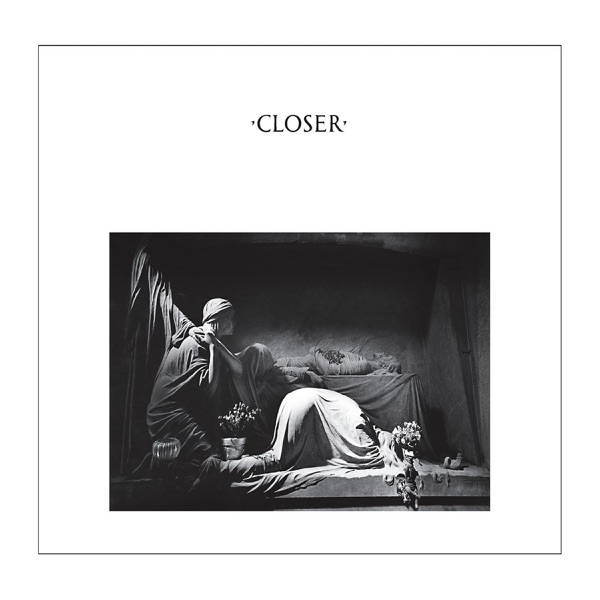 Joy Division - Closer (Joy Division album)
 Midnight Oil - The Makarrata Project
 The Sound - From the Lions Mouth
 All About Eve - Touched by Jesus
 She Wants Revenge - She Wants Revenge
 Violent Femmes - Violent Femmes (album)
 Gang of Four - Mall
 The Cranberries - No Need to Argue
 The Wolfgang Press - Queer

Join the Conversation
Share your thoughts about this album.
Please log in to add a comment.
No comments yet. Be the first to comment.