New Order
Overview
New Order is a highly influential band formed in the wake of the demise of the post-punk band Joy Division. Emerging from the industrial landscape of Manchester, England, New Order fused post-punk with electronic and dance music styles, becoming a pioneer in electronic dance music and extending their influence across genres. The band is renowned for approaching music with innovation and experimentation, blending guitar-driven rock with synthesizer-heavy electronic music, which helped set the stage for the popularization of electronic dance music in mainstream culture.
Formed in 1980, New Order's career spans decades during which they have continuously evolved their sound while maintaining an undercurrent of their post-punk roots. The band managed to achieve a unique balance between commercial success and critical acclaim, with a discography that includes both chart-topping singles and albums, as well as music that retains artistic integrity and depth.
Not only have their records been successful, but they have also influenced countless other artists across a range of genres. Their ability to blend different musical styles into cohesive and compelling music set New Order apart and ensured both their longevity and legacy in the music industry.
As pioneers of electronic rock and dance music, New Order has carved a niche that transcends the boundaries imposed by traditional genre definitions. Their exploration of new territories in music technology and sound has had a lasting impact on both their contemporaries and successive generations of musicians.
Formation and Early Years
The formation of New Order is steeped in the tragic end of Joy Division, following the death of their lead singer, Ian Curtis, in 1980. The remaining members, Bernard Sumner (guitar and vocals), Peter Hook (bass), and Stephen Morris (drums), decided to continue making music together. They formed New Order, bringing in Gillian Gilbert on keyboards and guitar, marking the beginning of a new chapter.
In their initial years, New Order struggled to find their footing, grappling with the challenge of stepping out from the shadow of Joy Division's legacy. Their early music was heavily influenced by their experiences in Joy Division, with an emphasis on retaining a combination of post-punk intensity and a growing interest in contemporary electronic sounds.
Their first albums were experimental endeavors that saw them trying out various musical directions. However, it was with their 1983 album 'Power, Corruption & Lies' that New Order truly established their musical identity. The album mixed synthesizers and sequencers with traditional band instruments, showcasing their evolving style that would eventually become a hallmark of their music.
During these formative years, New Order began forging connections with the burgeoning New York club scene and the sounds emanating from that scene, particularly emphasizing electronic and dance elements, which would significantly influence their music and direction in subsequent years.
Career Highlights
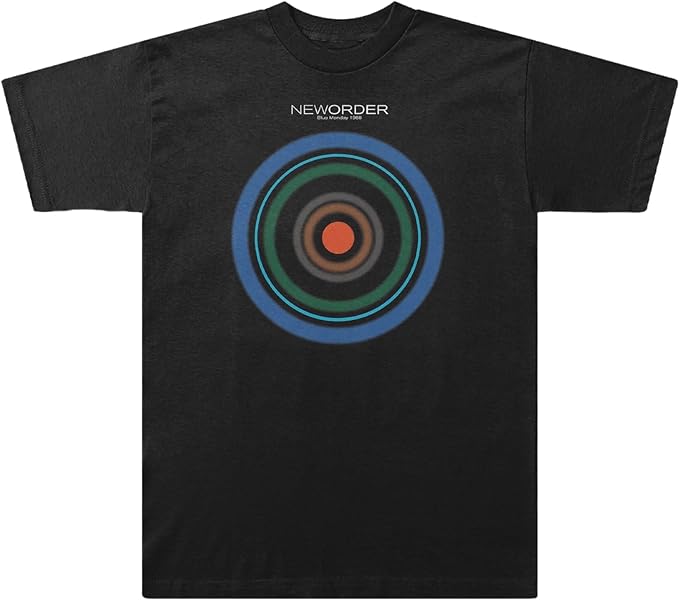
New Order's career is marked by several noteworthy milestones. In 1983, they released the single 'Blue Monday', which became one of the best-selling 12-inch singles of all time. The track featured a distinctive combination of synthesized beats and basslines overlaid with earnest vocals. Its success heralded New Order's capacity to blend dance music with the emerging British post-punk scene, establishing them as leaders in the new wave and dance music genres.
Throughout the 1980s and 1990s, New Order released a series of successful albums, including 'Low-Life', 'Brotherhood', and 'Technique', each contributing to the band's growing legacy and showcasing their talent for evolving their sound while maintaining commercial appeal. These albums featured an increasing incorporation of electronic elements alongside traditional band instrumentation, showcasing their continued innovation in music production.
The band was also instrumental in the operation of the Manchester-based club, The Haçienda, which was financed with the help of their label, Factory Records. The club played a critical role in the city's cultural life and the electronic music scene, pivotal in the development of the 'Madchester' movement and the early acid house scene.
Over the years, New Order has experienced periods of hiatus and reunion, with changes in the lineup. However, they have maintained their reputation and popularity, continuing to tour and release new music that draws both critical praise and commercial success, affirming their lasting presence in the music industry.
Musical Style
New Order's musical style is rooted in the post-punk movement of the late 1970s and early 1980s, characterized by a mixture of minimalism, moodiness, and atmospheric soundscapes. Over time, they expanded upon these roots by incorporating a broad range of genres, including electronic dance music, synth-pop, and new wave, creating a sound that is distinctively their own.
Their music is identified by its danceable beats, synthesizer melodies, and Bernard Sumner's understated vocal delivery, often layered over intricate basslines composed by Peter Hook. This fusion generates a blend of melancholic yet uplifting soundscapes, which appeal to a wide audience.
Additionally, New Order is known for its pioneering use of music technology. They were one of the first bands to employ the MIDI protocol in their recordings and performances, utilizing sequencers and drum machines to enhance their live shows and studio recordings. This technological advance allowed them to produce a more sophisticated sound that perfectly complemented the band's evolving style.
New Order often extends beyond traditional song structures, incorporating extended instrumental passages in their work, which reflects their willingness to experiment and push the boundaries of popular music. This approach has helped them remain relevant across different musical eras, influencing a myriad of genres, including pop, rock, electronic dance music, and alternative music.
Most Important Albums
New Order's discography is rich and varied, with several albums standing out for their importance both in terms of critical acclaim and commercial success. 'Power, Corruption & Lies', released in 1983, is often considered one of their most important works. It marks a departure from the darker tones of their earlier sound, introducing a more electronic and pop-oriented approach while maintaining emotional depth in the composition.
Their 1985 album, 'Low-Life', further cemented New Order's reputation, blending rock elements with electronic dance music more seamlessly. It received widespread acclaim for its innovative sound and is often cited as a significant influence on the evolution of electronic rock and dance music.
'Brotherhood', released in 1986, presented a dichotomy of musical styles with one side leaning towards the traditional band setup and the other exploring deeper into synth-heavy tracks. This balance helped showcase New Order's versatility and their capacity for innovation within their existing framework.
'Technique', released in 1989, is another essential album that showcases New Order's ability to integrate electronic club music with rock. Recorded in Ibiza, this album captures a vibrant dance essence that was inspired by the burgeoning acid house and Balearic beat scenes, demonstrating how their music was continually evolving in dialogue with contemporary music trends.
Legacy and Influence
New Order's legacy in the music industry is profound, shaping the evolution of various genres, particularly new wave, synth-pop, and alternative dance music. Their innovative fusion of post-punk and electronic dance elements has influenced a wide range of artists, from contemporary indie bands to electronic producers.
The band's success paved the way for the acceptance of electronic music within mainstream and alternative rock circuits, breaking new ground and bridging gaps that have influenced how music genres are understood and appreciated across different audiences.
Furthermore, New Order's role in the 'Madchester' scene and their involvement with The Haçienda club significantly impacted the cultural landscape of music in the UK, nurturing the growth of electronic dance music and contributing to the rise of rave culture.
New Order’s continued presence and their ability to adapt to changing musical landscapes have ensured that their influence persists. As they continue to release music and tour globally, they attract new generations of fans and remain a touchstone for musicians who wish to blend traditional rock with innovative electronic sounds.
Albums by New Order

Music Complete
September 25, 2015
Dance-rock, electropop

Lost Sirens
January 11, 2013
Alternative dance, synth-pop, post-punk, dance-rock

Live at the London Troxy
December 21, 2011
Post-punk, alternative dance, synthpop, alternative rock

Singles
October 03, 2005
Synth-pop, alternative dance, post-punk, dance-rock
🛍 Shop Music

Waiting for the Sirens' Call
March 28, 2005
Alternative rock, synth-pop

Get Ready
August 27, 2001
Alternative rock, electronic rock

Republic (album)
May 03, 1993
Alternative pop, dance-rock, synth-pop, Eurodance, techno-pop

Technique (album)
January 30, 1989
Alternative dance, acid house, dance-rock

Substance 1987
August 17, 1987
Dance-rock, alternative dance, post-punk, dance, pop

Brotherhood
September 29, 1986
Synth-pop, post-punk

Low-Life
May 13, 1985
Synth-pop, dance-pop, post-punk

Power, Corruption & Lies
May 02, 1983
Post-punk

Movement
November 13, 1981
Post-punk
Musicians / Members connected to New Order


FAQ about New Order
What genre is New Order?
New Order is commonly associated with Post-punk, New wave, Synth-pop, Dance-rock, Alternative dance.
Where is New Order from?
New Order is from Salford, Greater Manchester, England.
How many albums by New Order are listed on musicOnOff?
musicOnOff currently lists 13 albums by New Order.
