
Interpol (album)
by Interpol
Released: September 07, 2010
Indie rock, post-punk revival
Shop Interpol
Amazon affiliate linksWhy This Album Matters
This album matters because its strongest editorial story is: Recording Conflict.
The Album
However, he praised Matador for its openness and personal connection compared to Capitol, emphasizing the benefits of their renewed partnership with the label. "Interpol" is the fourth studio album by the American rock band Interpol, released on September 7, 2010, through Matador Records. In a 2018 interview, lead singer Paul Banks mentioned that internal tensions, particularly Dengler's departure, made the album challenging to produce.
Inside the Recording
The album was self-produced and recorded at Electric Lady Studios in Greenwich Village. Recording for Interpol began at Electric Lady Studios in early 2009, and the album was produced by the band, engineered by Greg Calbi and Claudius Mittendorfer, and mixed by Alan Moulder. This situation, combined with the rigorous recording process, led the band to amicably terminate their two-album deal and return to Matador after just one record.
Interesting Facts
Shortly after the album's completion, bassist Carlos Dengler…
Shortly after the album's completion, bassist Carlos Dengler left the band.
Despite these difficulties, Banks noted that the band…
Despite these difficulties, Banks noted that the band was ultimately pleased with the album, considering tracks like "Lights" and "The Undoing" among their best work.
The lead single, "Barricade," was released on August…
The lead single, "Barricade," was released on August 3, 2010, followed by "Summer Well" on December 6, "Lights" on February 8, 2011, and "Try It On" on April 16, 2011.
After Interpol's contract with Matador Records ended in…
After Interpol's contract with Matador Records ended in 2006, they signed with Capitol Records, seeking greater exposure and a new experience with the label’s staff.
Rapper Azealia Banks contributed backing vocals to the…
Rapper Azealia Banks contributed backing vocals to the track "Memory Serves." The band chose to self-title the album to signify a raw, introspective statement about their identity.
Essential Tracks
Memory Serves
Rapper Azealia Banks contributed backing vocals to the track "Memory Serves." The band chose to self-title the album to signify a raw, introspective statement about their identity.
Summer Well
The lead single, "Barricade," was released on August 3, 2010, followed by "Summer Well" on December 6, "Lights" on February 8, 2011, and "Try It On" on April 16, 2011.
Lights
Despite these difficulties, Banks noted that the band was ultimately pleased with the album, considering tracks like "Lights" and "The Undoing" among their best work.
Barricade
The lead single, "Barricade," was released on August 3, 2010, followed by "Summer Well" on December 6, "Lights" on February 8, 2011, and "Try It On" on April 16, 2011.
Try It On
The lead single, "Barricade," was released on August 3, 2010, followed by "Summer Well" on December 6, "Lights" on February 8, 2011, and "Try It On" on April 16, 2011.
Explore the Album
Interpol - Interpol (album)
Open in Albums Gallery
Reception
The album received mixed reviews, with some critics comparing it unfavorably to the band's earlier work. However, Capitol was sold shortly after the band began recording their new album, resulting in staff changes and confusion.
The Complete Album Story
"Interpol" is the fourth studio album by the American rock band Interpol, released on September 7, 2010, through Matador Records. The album was self-produced and recorded at Electric Lady Studios in Greenwich Village. Shortly after the album's completion, bassist Carlos Dengler left the band.
The album received mixed reviews, with some critics comparing it unfavorably to the band's earlier work. In a 2018 interview, lead singer Paul Banks mentioned that internal tensions, particularly Dengler's departure, made the album challenging to produce. Despite these difficulties, Banks noted that the band was ultimately pleased with the album, considering tracks like "Lights" and "The Undoing" among their best work.
The lead single, "Barricade," was released on August 3, 2010, followed by "Summer Well" on December 6, "Lights" on February 8, 2011, and "Try It On" on April 16, 2011.
After Interpol's contract with Matador Records ended in 2006, they signed with Capitol Records, seeking greater exposure and a new experience with the label’s staff. However, Capitol was sold shortly after the band began recording their new album, resulting in staff changes and confusion. This situation, combined with the rigorous recording process, led the band to amicably terminate their two-album deal and return to Matador after just one record.
Recording for Interpol began at Electric Lady Studios in early 2009, and the album was produced by the band, engineered by Greg Calbi and Claudius Mittendorfer, and mixed by Alan Moulder. Rapper Azealia Banks contributed backing vocals to the track "Memory Serves." The band chose to self-title the album to signify a raw, introspective statement about their identity.
The lead single, "Lights," was initially released as a free download in May 2010, with a music video directed by Charlie White. White's video presented a surreal, sexualized depiction of a pheromone harvesting ritual involving latex-clad women and a rhinoceros beetle. The band was pleased with the video, which they released in high quality on their website.
In 2019, drummer Sam Fogarino reflected on their return to Matador, noting initial difficulties in mending their relationship with the label, which had been hurt by their departure. However, he praised Matador for its openness and personal connection compared to Capitol, emphasizing the benefits of their renewed partnership with the label.
More Indie rock Albums
 The House Of Love - The House of Love (1988 album)
 Blur - The Ballad of Darren
 The Housemartins and The Beautiful South - Soup
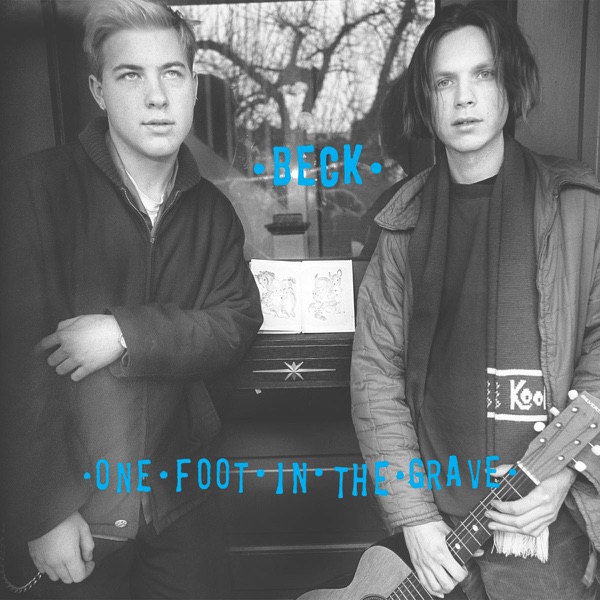 Beck - One Foot in the Grave
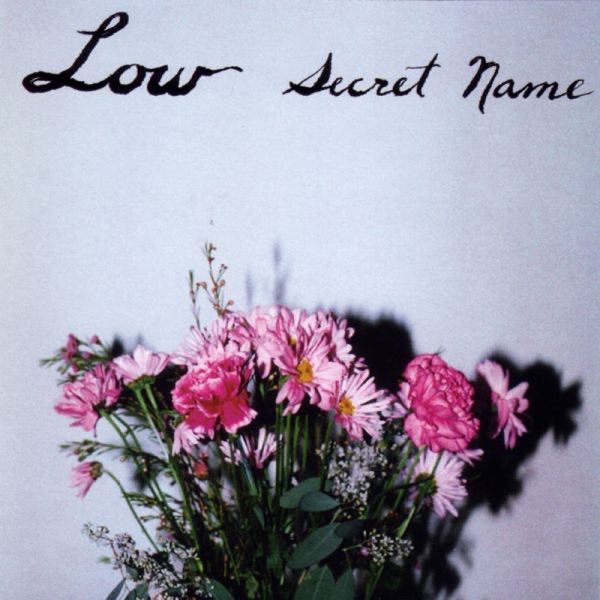 Low - Secret Name
 Interpol - A Fine Mess (EP)
 Fugazi - The Argument
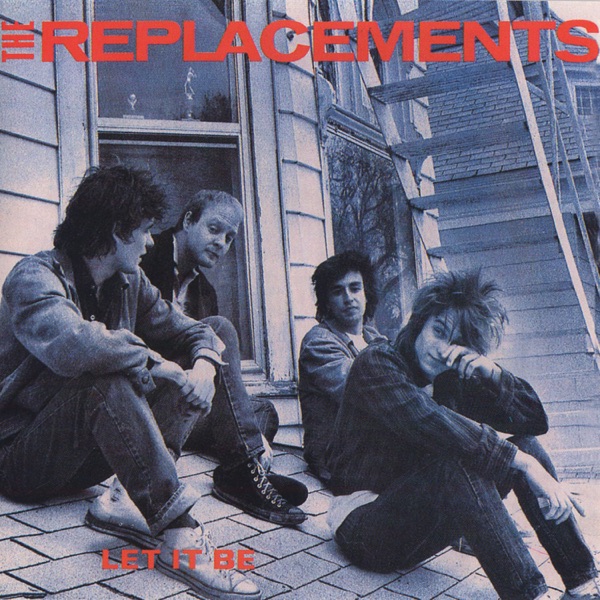 The Replacements - Let It Be
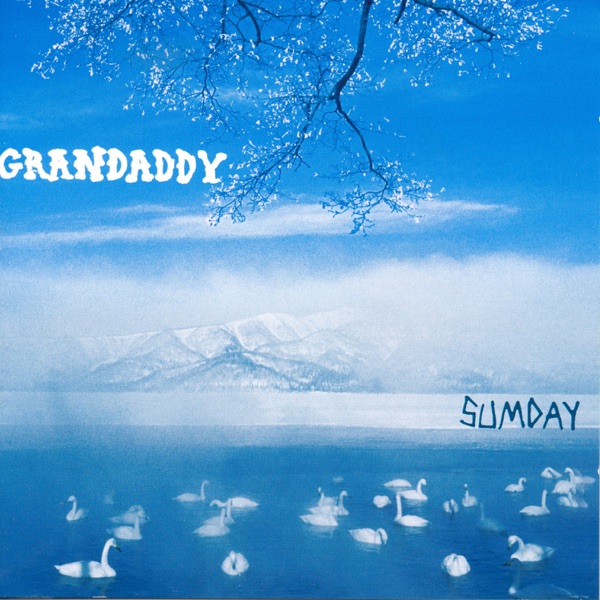 Grandaddy - Sumday
 White Lies - Night Light

Join the Conversation
Share your thoughts about this album.
Please log in to add a comment.
No comments yet. Be the first to comment.