Jethro Tull
Overview
Jethro Tull is a British rock band formed in 1967, renowned for their unique musical style that blends rock, folk, and classical music. The band is known for its unconventional approach to rock music, characterized by the flautist and vocalist Ian Anderson, whose stage presence and flute playing have become iconic. Jethro Tull achieved international fame with their intricate compositions, innovative sound, and theatrical live performances. Over the years, the band has released numerous albums and is celebrated for their artistic ambition and technical proficiency. Their music has been a significant influence on the progressive rock genre and has garnered a dedicated global fanbase. The band has been known to reinvent its sound with each album, experimenting with various genres and musical elements, which has kept their music fresh and compelling to audiences worldwide. Despite changes in the lineup, Jethro Tull remains a formidable presence in the world of rock music, with Ian Anderson continuing to lead the band into new musical territories.
Formation and Early Years
Jethro Tull was formed in the late 1960s in Blackpool, England. The original lineup included Ian Anderson, Mick Abrahams, Clive Bunker, and Glenn Cornick. The band's name was inspired by an 18th-century English agriculturalist, reflecting their early thematic connection to rural and pastoral imagery. In their formative years, Jethro Tull developed a distinctive sound by blending elements of British folk, blues, jazz, and psychedelic rock. Their debut album, 'This Was,' released in 1968, showcased their blues-rock roots but also hinted at the eclectic style the band would later become famous for. Early on, they gained a reputation for their energetic live performances, which were marked by Anderson's theatrical flute playing and offbeat stage persona. As the band began to evolve, Mick Abrahams left and was replaced by guitarist Martin Barre in 1968, a pivotal change that helped define the band's future sound. With Barre on board, Jethro Tull released their second album, 'Stand Up,' which marked a departure from blues to a more progressive rock sound.
Career Highlights
Jethro Tull reached the peak of their career during the early 1970s, with albums such as 'Aqualung' (1971) and 'Thick as a Brick' (1972) achieving critical and commercial success. 'Aqualung' featured strong lyrical themes that addressed social and religious issues, resonating with a wide audience. It contained some of their most famous tracks, such as 'Aqualung' and 'Locomotive Breath.' This period also saw the release of 'Thick as a Brick,' a concept album presented as a continuous piece of music. It was celebrated for its ambitious structure and complex compositions, solidifying Jethro Tull's reputation as pioneers of progressive rock. The band continued to release successful albums throughout the 1970s and 1980s, including 'Songs from the Wood,' 'Heavy Horses,' and 'Crest of a Knave,' the latter of which won a Grammy Award in 1989 for Best Hard Rock/Metal Performance Vocal or Instrumental. Despite their commercial success, Jethro Tull faced critical mockery for winning the award, as they were commonly perceived as a progressive rock band rather than a metal group.
Musical Style
Jethro Tull's musical style is complex and layered, characterized by a fusion of rock, folk, jazz, and classical influences. Ian Anderson's flute became a central element of their sound, setting them apart from other bands of the era and contributing to their unique musical identity. The band's compositions often include unusual time signatures, intricate melodies, and thought-provoking lyrics. Their music frequently explores thematic concepts, from social issues to philosophical musings and historical narratives. Throughout their career, Jethro Tull has experimented with different genres, resulting in a diverse discography that ranges from hard rock to more acoustic, folk-inspired music. The band's creativity in merging distinct musical styles has been a hallmark of their work, allowing them to continually evolve and remain relevant over the decades. The interplay between acoustic and electric instruments, along with the theatrical delivery of their music, has made Jethro Tull a distinctive and influential force in rock music.
Most Important Albums
One of Jethro Tull's most critically acclaimed albums is 'Aqualung,' released in 1971. This album marked a pivotal moment in their career, showcasing the band's ability to craft complex songs with powerful social commentary. 'Aqualung' received widespread acclaim for its insightful lyrics and innovative music. Following the success of 'Aqualung,' the band released 'Thick as a Brick' in 1972, an album that was a single continuous piece, pushing the boundaries of rock music with its ambitious concept. Another significant album is 'Songs from the Wood' (1977), which reflects the band's exploration of British folk music within a rock framework, exemplifying their versatility. 'Heavy Horses' (1978) continued this exploration with themes focused on rural life and traditionalism, underpinned by progressive rock elements. 'Crest of a Knave' (1987) is also noteworthy, earning them a Grammy and marking a return to a harder rock style while still featuring their signature eclecticism.
Legacy and Influence
Jethro Tull's influence on progressive rock and beyond has been profound. They are regarded as one of the key bands that helped shape the genre, influencing countless artists with their innovative use of the flute as a lead instrument in rock music. Their ability to blend diverse musical styles has inspired musicians across various genres to explore new sonic possibilities. The band's willingness to tackle complex themes and craft concept albums has paved the way for future progressive rock bands to pursue ambitious projects. They have maintained a significant impact on the music industry, not only through their recordings but also through their memorable live performances, which continue to captivate audiences. The band's diverse catalog and their blend of musical intricacies and lyrical depth have earned them a cherished place in rock history. Over the years, Jethro Tull's music has been celebrated for its originality, and they continue to be revered by new generations of fans while influencing upcoming musicians with their timeless and innovative sound.
Albums by Jethro Tull

The Zealot Gene
January 28, 2022
Folk, progressive rock

The Jethro Tull Christmas Album
September 30, 2003
Progressive rock, folk rock, jazz fusion, Christmas

Essential (Jethro Tull album)
March 24, 2003
Progressive rock, hard rock

The Very Best Of (Jethro Tull album)
May 14, 2001
Progressive rock, progressive folk, hard rock

J-Tull Dot Com
August 23, 1999
Progressive rock, hard rock, folk rock, world

Through the Years
December 14, 1998
Progressive rock, hard rock

Rock Island
August 21, 1989
Progressive rock, hard rock

Under Wraps
September 07, 1984
Art rock, electronic rock, synth-pop

The Broadsword and the Beast
April 10, 1982
Progressive rock, hard rock, art rock, folk rock, electronic rock
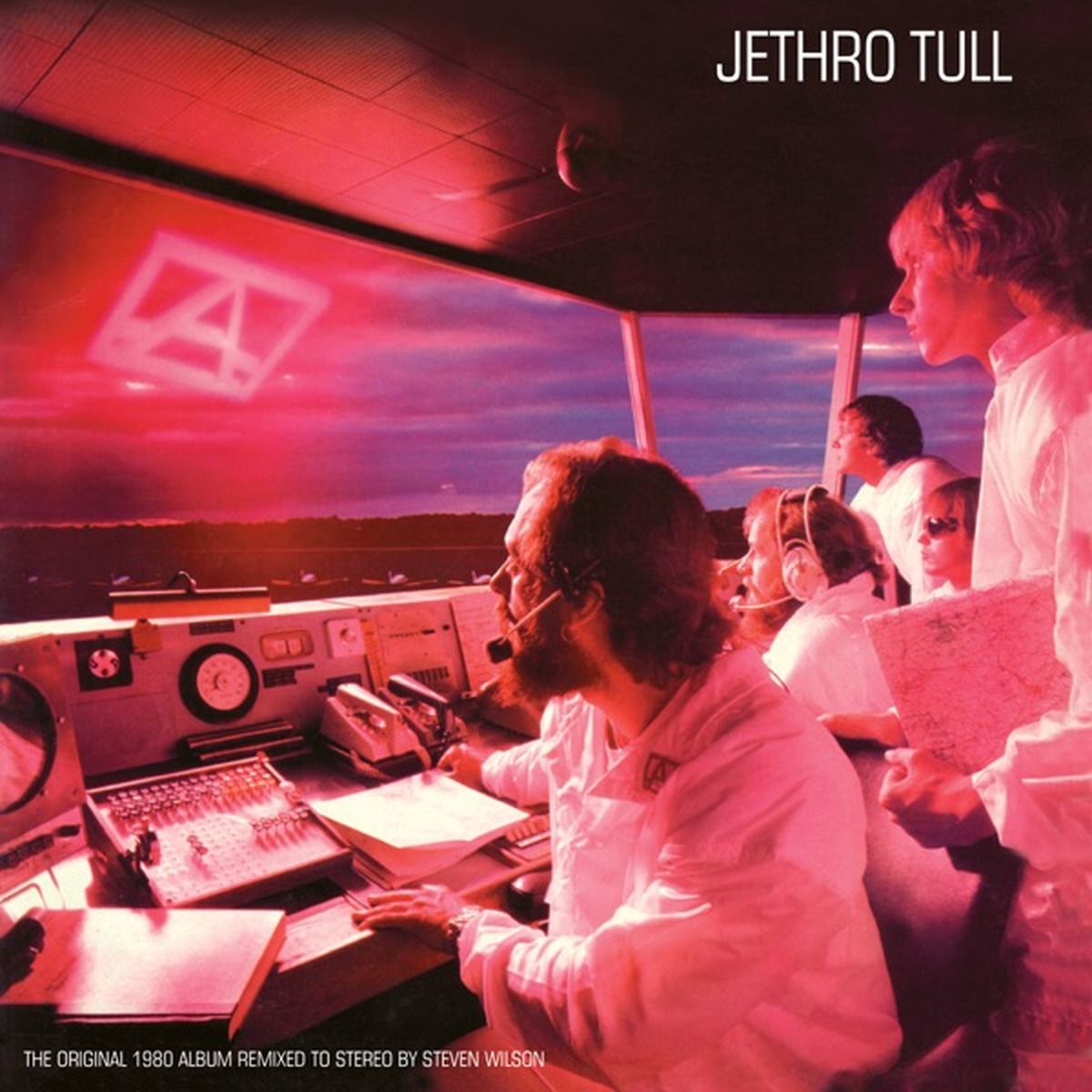
A
August 29, 1980
Electronic rock, progressive rock, folk rock

Stormwatch
September 14, 1979
Folk rock, progressive rock, hard rock

Bursting Out
September 22, 1978
Progressive rock

Heavy Horses
April 10, 1978
Folk rock, progressive rock, hard rock

Songs from the Wood
February 11, 1977
Folk rock, progressive folk, progressive rock, hard rock

Too Old to Rock 'n' Roll: Too Young to Die!
April 23, 1976
Progressive rock, folk rock, hard rock, blues rock

Minstrel in the Gallery
September 05, 1975
Progressive rock, hard rock, folk rock

A Passion Play
July 13, 1973
Progressive rock

Living in the Past
June 23, 1972
Progressive rock

Thick as a Brick
March 03, 1972
Progressive rock

Aqualung
March 19, 1971
Progressive rock, folk rock, hard rock

Benefit (album)
April 20, 1970
Hard rock, folk rock

Stand Up (Jethro Tull album)
July 25, 1969
Hard rock, folk rock, blues rock

This Was
October 25, 1968
Blues rock, jazz fusion, folk rock
Musicians / Members connected to Jethro Tull





FAQ about Jethro Tull
What genre is Jethro Tull?
Jethro Tull is commonly associated with Progressive rock, folk rock, hard rock.
Where is Jethro Tull from?
Jethro Tull is from Blackpool, England, UK.
How many albums by Jethro Tull are listed on musicOnOff?
musicOnOff currently lists 23 albums by Jethro Tull.
