
Aqualung
by Jethro Tull
Released: March 19, 1971
Progressive rock, folk rock, hard rock
Shop Jethro Tull
Amazon affiliate linksWhy This Album Matters
This album matters because its strongest editorial story is: Breakthrough.
The Album
"Aqualung" is the fourth studio album by British rock band Jethro Tull, released in 1971. The album's themes explore religion, society, and the human condition, with its lyrics often tackling subjects like faith, hypocrisy, and existentialism. Musically, "Aqualung" features a blend of folk, blues, and hard rock elements, characterized by Ian Anderson's distinctive flute playing and unique vocal style.
Interesting Facts
The album is known for its dynamic compositions…
The album is known for its dynamic compositions, intricate arrangements, and virtuosic instrumental performances, showcasing the band's versatility and musical craftsmanship.
The album's title track, "Aqualung," remains one of…
The album's title track, "Aqualung," remains one of Jethro Tull's most iconic songs, with its haunting melody, evocative lyrics, and memorable guitar riff.
Other standout tracks include "Cross-Eyed Mary," "Locomotive Breath,"…
Other standout tracks include "Cross-Eyed Mary," "Locomotive Breath," and "My God," each contributing to the album's overall thematic depth and musical richness.
Explore the Album
Jethro Tull - Aqualung
Open in Albums Gallery
Reception
Upon its release, "Aqualung" received widespread critical acclaim and commercial success, reaching the top ten on both the UK and US album charts.
Legacy
It is widely regarded as one of the band's seminal works and a classic of progressive rock. It has since become a cornerstone of Jethro Tull's discography and a landmark album in the history of progressive rock, influencing generations of musicians and earning a place in the pantheon of classic rock albums.
The Complete Album Story
"Aqualung" is the fourth studio album by British rock band Jethro Tull, released in 1971. It is widely regarded as one of the band's seminal works and a classic of progressive rock. The album's themes explore religion, society, and the human condition, with its lyrics often tackling subjects like faith, hypocrisy, and existentialism.
Musically, "Aqualung" features a blend of folk, blues, and hard rock elements, characterized by Ian Anderson's distinctive flute playing and unique vocal style. The album is known for its dynamic compositions, intricate arrangements, and virtuosic instrumental performances, showcasing the band's versatility and musical craftsmanship.
The album's title track, "Aqualung," remains one of Jethro Tull's most iconic songs, with its haunting melody, evocative lyrics, and memorable guitar riff. Other standout tracks include "Cross-Eyed Mary," "Locomotive Breath," and "My God," each contributing to the album's overall thematic depth and musical richness.
Upon its release, "Aqualung" received widespread critical acclaim and commercial success, reaching the top ten on both the UK and US album charts. It has since become a cornerstone of Jethro Tull's discography and a landmark album in the history of progressive rock, influencing generations of musicians and earning a place in the pantheon of classic rock albums.
More Progressive rock Albums
 The Moody Blues - To Our Children's Children's Children
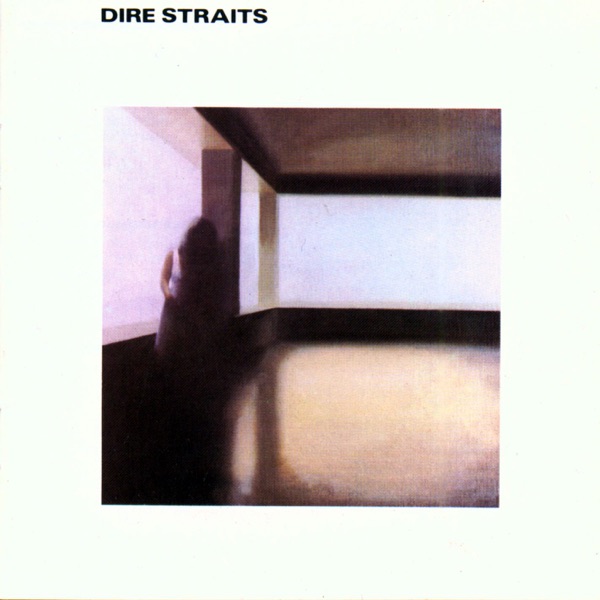 Dire Straits - Alchemy: Dire Straits Live
 The Nice - Five Bridges
 Renaissance - Live at Carnegie Hall (Renaissance album)
 Emerson, Lake & Palmer - In the Hot Seat
 Gentle Giant - The Power and the Glory
 Van Der Graaf Generator - Pawn Hearts
 Barclay James Harvest - Barclay James Harvest
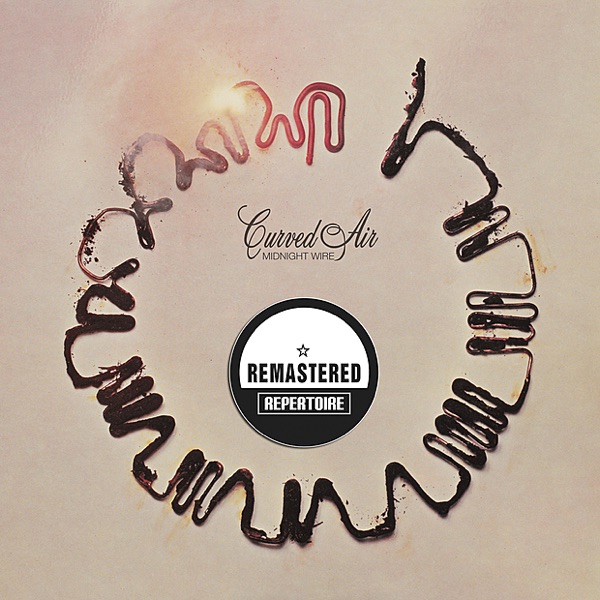 Curved Air - Midnight Wire
 Nektar - A Tab in the Ocean
 Barclay James Harvest - Barclay James Harvest and Other Short Stories

Join the Conversation
Share your thoughts about this album.
Please log in to add a comment.
No comments yet. Be the first to comment.