
Signify
by Porcupine Tree
Released: September 30, 1996
Progressive rock, psychedelic rock, space rock, krautrock
Shop Porcupine Tree
Amazon affiliate linksWhy This Album Matters
This album matters because its strongest editorial story is: Experimental Album.
The Album
However, the influence of "Signify" could be felt in the band's future work- a pivot towards more structured songwriting, without sacrificing the lush sonic textures that characterized their sound. "Signify," released on September 1996, is the fourth studio album by British progressive rock band Porcupine Tree. While maintaining Porcupine Tree's signature elements of psychedelic rock fused with ambient textures, 'Signify' also marked a move towards more song-oriented writing, and a divergence from the lengthy atmospheric pieces that dominated their earlier albums.
Interesting Facts
It was the first album by the band…
It was the first album by the band that prominently featured the entire band, marking it as the first by the full band that consistently showcased their combined effort.
The album was also the first to incorporate…
The album was also the first to incorporate more elements of psychedelia and space rock in their sound, departing from the pure psychedelic ambiance of their previous records.
Porcupine Tree was led by Steve Wilson, with…
Porcupine Tree was led by Steve Wilson, with Richard Barbieri on keyboards, Colin Edwin on bass, and Chris Maitland on drums, appearing on every track.
The album includes a mix of instrumental and…
The album includes a mix of instrumental and vocal tracks.
Its tracks like "Sleep of No Dreaming," "Waiting…
Its tracks like "Sleep of No Dreaming," "Waiting - Phase One" and "Sever" became popular among their listeners.
Essential Tracks
Signify
However, the influence of "Signify" could be felt in the band's future work- a pivot towards more structured songwriting, without sacrificing the lush sonic textures that characterized their sound.
Sever
Its tracks like "Sleep of No Dreaming," "Waiting - Phase One" and "Sever" became popular among their listeners.
Intermediate Jesus
It's also noted for its diverse range of styles, including the hard rock of the title track, the gentle acoustics of "Waiting," and the ethereal sonic landscapes created in "Intermediate Jesus." Despite the positive reception, commercial success was only modest.
Explore the Album
Porcupine Tree - Signify
Open in Albums Gallery
Reception
It's also noted for its diverse range of styles, including the hard rock of the title track, the gentle acoustics of "Waiting," and the ethereal sonic landscapes created in "Intermediate Jesus." Despite the positive reception, commercial success was only modest. Signify was generally well-received by critics and fans alike and marked significant development in the band's evolving sound. In terms of themes, Porcupine Tree's Signify deals with various subjects such as criticisms of modern society, religion, and the impact of the internet, laying foundations for the narrative style that Steve Wilson would often utilize in later albums.
The Complete Album Story
"Signify," released on September 1996, is the fourth studio album by British progressive rock band Porcupine Tree. It was the first album by the band that prominently featured the entire band, marking it as the first by the full band that consistently showcased their combined effort.
Porcupine Tree was led by Steve Wilson, with Richard Barbieri on keyboards, Colin Edwin on bass, and Chris Maitland on drums, appearing on every track. The album was also the first to incorporate more elements of psychedelia and space rock in their sound, departing from the pure psychedelic ambiance of their previous records.
While maintaining Porcupine Tree's signature elements of psychedelic rock fused with ambient textures, 'Signify' also marked a move towards more song-oriented writing, and a divergence from the lengthy atmospheric pieces that dominated their earlier albums. The album includes a mix of instrumental and vocal tracks.
Signify was generally well-received by critics and fans alike and marked significant development in the band's evolving sound. Its tracks like "Sleep of No Dreaming," "Waiting - Phase One" and "Sever" became popular among their listeners.
In terms of themes, Porcupine Tree's Signify deals with various subjects such as criticisms of modern society, religion, and the impact of the internet, laying foundations for the narrative style that Steve Wilson would often utilize in later albums. It's also noted for its diverse range of styles, including the hard rock of the title track, the gentle acoustics of "Waiting," and the ethereal sonic landscapes created in "Intermediate Jesus."
Despite the positive reception, commercial success was only modest. However, the influence of "Signify" could be felt in the band's future work- a pivot towards more structured songwriting, without sacrificing the lush sonic textures that characterized their sound.
More Progressive rock Albums
 Yes - Heaven & Earth (Yes album)
 Porcupine Tree - Up the Downstair
 Rush - Caress of Steel
 Family - It's Only a Movie
 Todd Rundgren - Initiation (Todd Rundgren album)
 Kate Bush - Hounds of Love
 Mike Oldfield - Incantations
 Jethro Tull - Living in the Past
 Uriah Heep - Demons and Wizards (Uriah Heep album)
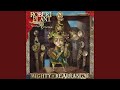 Robert Plant & The Strange Sensation - Mighty ReArranger

Join the Conversation
Share your thoughts about this album.
Please log in to add a comment.
No comments yet. Be the first to comment.