
The Broadsword and the Beast
by Jethro Tull
Released: April 10, 1982
Progressive rock, hard rock, art rock, folk rock, electronic rock
Shop Jethro Tull
Amazon affiliate linksWhy This Album Matters
This album matters because its strongest editorial story is: Title Meaning.
The Album
"The Broadsword and the Beast" is the 14th studio album by the British rock band Jethro Tull, released in April 1982. The album signifies a transition in the band's sound, which up to that point distinguished them in the progressive rock genre. The 'Beast', on the other hand, is a symbol of the new era entering with its industrialisation and cultural shifts.
Interesting Facts
For "The Broadsword and the Beast," they incorporated…
For "The Broadsword and the Beast," they incorporated synthesisers and electronic elements, meshing them with their traditional folk-influenced style.
The album's lyrical themes are heavily influenced by…
The album's lyrical themes are heavily influenced by bandleader Ian Anderson's thoughts on the passing of the 'old guard', evident in lyrics that mention knights, battle, and folklore, hence the 'Broadsword' in the album's title.
Notable tracks from the album include "Fallen on…
Notable tracks from the album include "Fallen on Hard Times," "Broadsword," and "Flying Colours." Although not a conceptual album, the distinct themes connecting the songs have led many to regard "The Broadsword and the Beast" as one of Jethro Tull's more cohesive works.
Explore the Album
Jethro Tull - The Broadsword and the Beast
Open in Albums Gallery
Reception
Despite mixed reviews from critics, the album was commercially successful, reaching top 20 chart positions in several countries and earning a gold certification for sales in the United States.
The Complete Album Story
"The Broadsword and the Beast" is the 14th studio album by the British rock band Jethro Tull, released in April 1982. The album signifies a transition in the band's sound, which up to that point distinguished them in the progressive rock genre. For "The Broadsword and the Beast," they incorporated synthesisers and electronic elements, meshing them with their traditional folk-influenced style.
The album's lyrical themes are heavily influenced by bandleader Ian Anderson's thoughts on the passing of the 'old guard', evident in lyrics that mention knights, battle, and folklore, hence the 'Broadsword' in the album's title. The 'Beast', on the other hand, is a symbol of the new era entering with its industrialisation and cultural shifts.
Despite mixed reviews from critics, the album was commercially successful, reaching top 20 chart positions in several countries and earning a gold certification for sales in the United States.
Notable tracks from the album include "Fallen on Hard Times," "Broadsword," and "Flying Colours." Although not a conceptual album, the distinct themes connecting the songs have led many to regard "The Broadsword and the Beast" as one of Jethro Tull's more cohesive works.
More Progressive rock Albums
 Rush - Rush(Rush album)
 Barclay James Harvest - XII
 Yes - Relayer
 Barclay James Harvest - Everyone Is Everybody Else
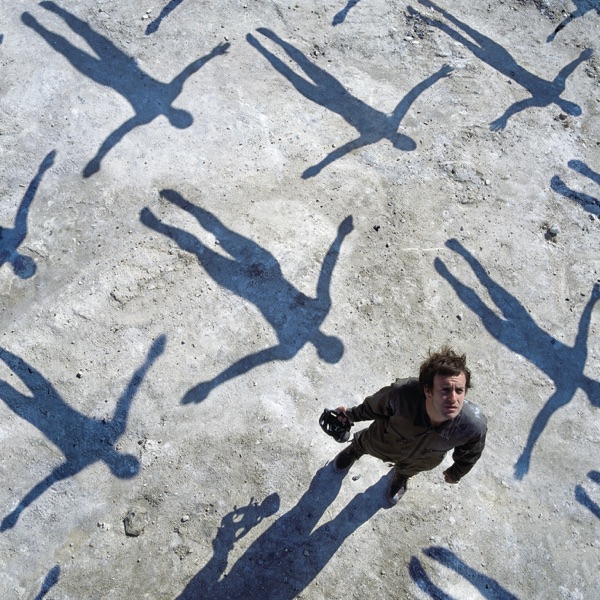 Muse - Absolution
 Roxy Music - Stranded (album)
 Barclay James Harvest - Turn of the Tide
 Primus - Miscellaneous Debris

Join the Conversation
Share your thoughts about this album.
Please log in to add a comment.
No comments yet. Be the first to comment.