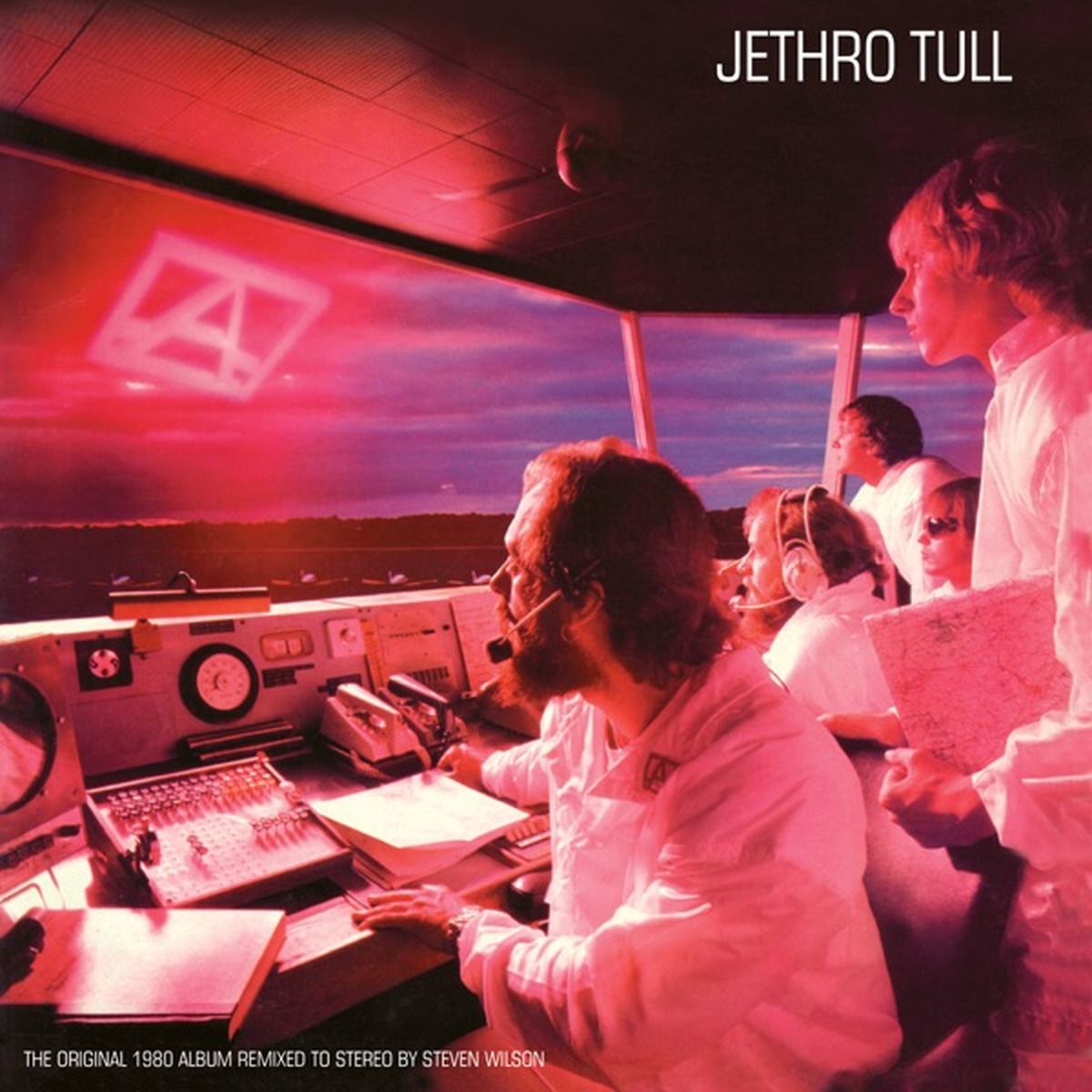
A
by Jethro Tull
Released: August 29, 1980
Electronic rock, progressive rock, folk rock
Shop Jethro Tull
Amazon affiliate linksWhy This Album Matters
The central hook is supported directly by Ian Anderson’s first-hand account in a 1980 Chrysalis press release: he said Shona interrupted the rehearsal with news of the siege, everyone stopped to watch television, and he wrote all the lyrics before rehearsal the next morning, using the event to fill in words for an idea already underway. ([tullpress.com](https://www.tullpress.com/biog80.htm?utm_source=openai)) A later first-hand interview published by Prog independently corroborates that Anderson wrote the song on the day of the siege or the following day and that it adopted a hostage-crisis viewpoint. ([loudersound.com](https://www.loudersound.com/features/it-was-a-finished-product-called-a-for-anderson-intended-as-a-solo-record-then-the-record-company-heard-it-the-story-of-jethro-tull-and-a)) Contemporary corroboration comes from Record Mirror’s August 30, 1980 review, which identified the siege and hostage PC Trevor Lock as the song’s subject and viewpoint. ([worldradiohistory.com](https://worldradiohistory.com/UK/Record-Mirror/80s/80/Record-Mirror-1980-08-30.pdf?utm_source=openai)) The National Army Museum independently confirms that six armed men took 26 hostages on April 30, 1980, and that the six-day siege ended with the SAS assault on May 5. ([nam.ac.uk](https://www.nam.ac.uk/whats-on/iranian-embassy-siege-veterans-voice?utm_source=openai))
The Album
A was released after a significant lineup change: drummer Barrie "Barriemore" Barlow and keyboardists John Evan and Dee Palmer left the band, and bassist John Glascock had died from heart complications the previous year. The album features Dave Pegg, who replaced Glascock, on bass, Mark Craney on drums, and Eddie Jobson on keyboards and electric violin, with Jobson credited as a "special guest.". "A" is the 13th studio album by British rock band Jethro Tull, released on August 29, 1980, in the UK and on September 1, 1980, in the United States.
Inside the Recording
Originally intended as frontman Ian Anderson's debut solo album, the album's master tapes were marked "A" for Anderson during recording.
Interesting Facts
The album marked a departure from Jethro Tull's…
The album marked a departure from Jethro Tull's previous work, adopting a more electronic rock sound with heavy use of synthesizers while retaining the band's folk influence and Anderson's flute playing.
Lyrically, the album shifted from fantasy and folklore…
Lyrically, the album shifted from fantasy and folklore themes to contemporary issues such as the Cold War.
However, it was released as a Jethro Tull…
However, it was released as a Jethro Tull album due to pressure from Chrysalis Records.
Anderson has since expressed regret about this decision
Anderson has since expressed regret about this decision.
Explore the Album
Jethro Tull - A
Open in Albums Gallery
The Complete Album Story
"A" is the 13th studio album by British rock band Jethro Tull, released on August 29, 1980, in the UK and on September 1, 1980, in the United States.
Originally intended as frontman Ian Anderson's debut solo album, the album's master tapes were marked "A" for Anderson during recording. However, it was released as a Jethro Tull album due to pressure from Chrysalis Records. Anderson has since expressed regret about this decision.
The album marked a departure from Jethro Tull's previous work, adopting a more electronic rock sound with heavy use of synthesizers while retaining the band's folk influence and Anderson's flute playing. Lyrically, the album shifted from fantasy and folklore themes to contemporary issues such as the Cold War.
A was released after a significant lineup change: drummer Barrie "Barriemore" Barlow and keyboardists John Evan and Dee Palmer left the band, and bassist John Glascock had died from heart complications the previous year. The album features Dave Pegg, who replaced Glascock, on bass, Mark Craney on drums, and Eddie Jobson on keyboards and electric violin, with Jobson credited as a "special guest."
More Electronic rock Albums
 Apoptygma Berzerk - SDGXXV
 Linkin Park - One More Light
 Apoptygma Berzerk - You and Me Against the World
 Incubus - 8 (Incubus album)
 Paradise Lost - Believe in Nothing
 Curve - Come Clean
 Infected Mushroom - B.P.Empire
 Linkin Park - Living Things
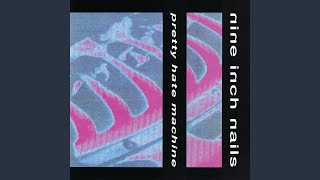 Nine Inch Nails - Pretty Hate Machine

Join the Conversation
Share your thoughts about this album.
Please log in to add a comment.
No comments yet. Be the first to comment.