
A Thousand Suns
by Linkin Park
Released: September 08, 2010
Alternative rock, electronic rock, experimental rock, industrial rock, art rock, progressive rock, rap rock
Shop Linkin Park
Amazon affiliate linksWhy This Album Matters
This album matters because its strongest editorial story is: Experimental Album.
The Album
He mentioned the challenge of integrating the concept into the music without delaying the album’s release. "A Thousand Suns" is Linkin Park's fourth studio album, released on September 08, 2010. It marks a significant departure from their previous nu-metal sound, incorporating experimental elements and addressing themes such as nuclear warfare and technological impacts.
Inside the Recording
The album, produced by Mike Shinoda and Rick Rubin, draws its title from a line in the Bhagavad Gita, reflecting its focus on existential and societal issues. Produced by Mike Shinoda and Rick Rubin, sessions took place at NRG Recording Studios in North Hollywood.
Interesting Facts
The band supported the album with the A…
The band supported the album with the A Thousand Suns World Tour from October 2010 to September 2011.
Recording for Linkin Park's "A Thousand Suns" began…
Recording for Linkin Park's "A Thousand Suns" began in 2008, shortly after the release of their previous album, Minutes to Midnight.
Lead singer Chester Bennington described the album as…
Lead singer Chester Bennington described the album as a concept project, which inspired the band despite initial uncertainties.
By May 2009, Mike Shinoda noted that while…
By May 2009, Mike Shinoda noted that while they had completed about half of the music, the band was focused on crafting a unique and cutting-edge sound.
Bennington continued working on the album while touring…
Bennington continued working on the album while touring with his side project, Dead by Sunrise.
Explore the Album
Linkin Park - A Thousand Suns
Open in Albums Gallery
Reception
Despite its positive critical reception, the album polarized some fans due to its stylistic shift. Lead single "The Catalyst" and subsequent tracks like "Waiting for the End" received critical and commercial success, with the album debuting at number one on multiple charts and eventually achieving platinum status.
The Complete Album Story
"A Thousand Suns" is Linkin Park's fourth studio album, released on September 08, 2010. It marks a significant departure from their previous nu-metal sound, incorporating experimental elements and addressing themes such as nuclear warfare and technological impacts. The album, produced by Mike Shinoda and Rick Rubin, draws its title from a line in the Bhagavad Gita, reflecting its focus on existential and societal issues. Lead single "The Catalyst" and subsequent tracks like "Waiting for the End" received critical and commercial success, with the album debuting at number one on multiple charts and eventually achieving platinum status. Despite its positive critical reception, the album polarized some fans due to its stylistic shift. The band supported the album with the A Thousand Suns World Tour from October 2010 to September 2011.
Recording for Linkin Park's "A Thousand Suns" began in 2008, shortly after the release of their previous album, Minutes to Midnight. Produced by Mike Shinoda and Rick Rubin, sessions took place at NRG Recording Studios in North Hollywood. Lead singer Chester Bennington described the album as a concept project, which inspired the band despite initial uncertainties.
By May 2009, Mike Shinoda noted that while they had completed about half of the music, the band was focused on crafting a unique and cutting-edge sound. Bennington continued working on the album while touring with his side project, Dead by Sunrise. He mentioned the challenge of integrating the concept into the music without delaying the album’s release.
Bassist Dave Farrell anticipated mixed reactions from fans due to the album's departure from their earlier style, while drummer Rob Bourdon highlighted the challenge and excitement of evolving their sound. Although initially conceived as a concept album, Shinoda later described it as more abstract and not following a traditional narrative structure.
More Alternative rock Albums
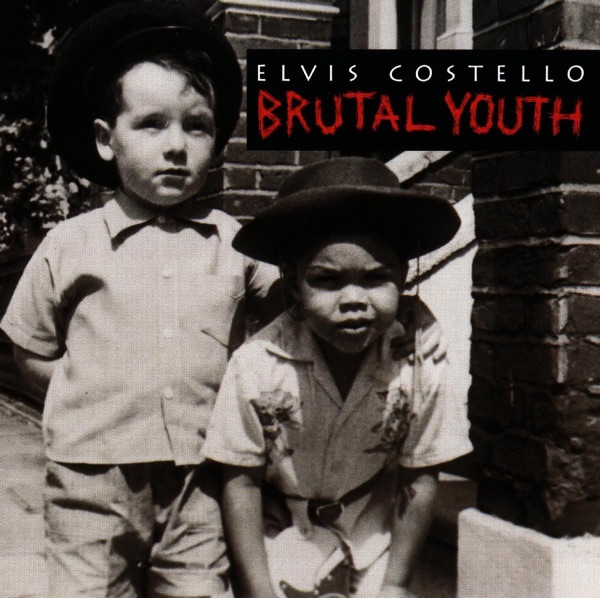 Elvis Costello - Brutal Youth
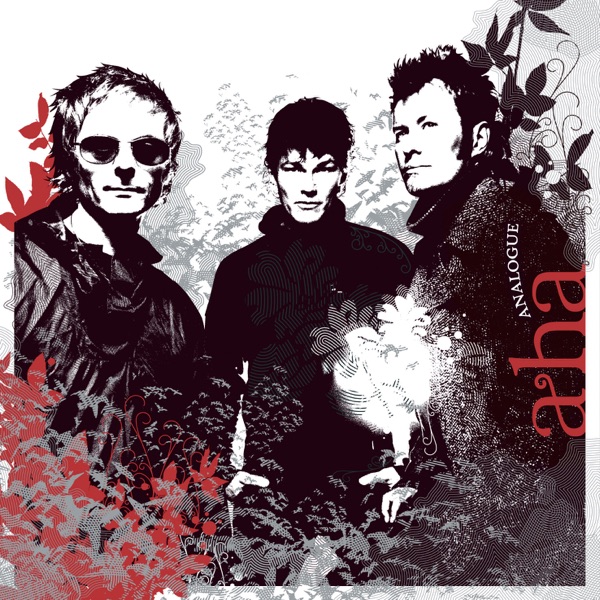 A-ha - Analogue
 Supergrass - Diamond Hoo Ha
 Placebo - Loud Like Love
 Big Country - The Seer
 Jesus Jones - Perverse
 EMF - The Beauty and the Chaos
 Peter Murphy - Lion
 R.E.M. - Accelerate (R.E.M. album)
 The Church - Starfish

Join the Conversation
Share your thoughts about this album.
Please log in to add a comment.
No comments yet. Be the first to comment.