Fleetwood Mac
Overview
Fleetwood Mac is a British-American rock band, originally formed in London in 1967. Over the decades, they have become one of the best-selling bands of all time, renowned for their distinctive blend of rock, pop, and blues influences. The band's lineup has seen numerous changes, with drummer Mick Fleetwood and bassist John McVie being the only remaining founding members consistently throughout the band's history. Fleetwood Mac rose to global fame in the mid-1970s after the addition of singer-songwriters Lindsey Buckingham and Stevie Nicks. The band's dynamic interpersonal relationships and the resulting creative tensions contributed to some of their most successful music. Their most notable period came with the release of 'Rumours' in 1977, an album that remains one of the best-selling records in history. Not only was the music iconic, but the raw and personal nature of the lyrics provided a deep connection with fans. Fleetwood Mac's work often mirrored the tumultuous relationships and personal struggles of its members, adding a unique authenticity to their music.
Formation and Early Years
Fleetwood Mac was formed in London in 1967 by guitarist Peter Green, drummer Mick Fleetwood, and bassist John McVie. The band started as a blues outfit, featuring a name that merged the surnames of two prominent members, Mick Fleetwood and John McVie. Initially, the group also included Jeremy Spencer and Bob Brunning, with Brunning soon replaced by McVie. Their early work was heavily influenced by the blues, which was apparent in their debut album, 'Fleetwood Mac,' released in 1968. This period saw the band enjoy moderate success in the UK with singles like 'Black Magic Woman' and 'Albatross,' which topped the UK Singles Chart. However, internal challenges loomed as Peter Green departed in 1970 due to mental health issues, a move that would significantly alter the band's direction. In these formative years, Fleetwood Mac struggled to maintain a consistent lineup, experimenting with their style and musical influences.
Career Highlights
The major turning point for Fleetwood Mac came in 1974 when Mick Fleetwood discovered and recruited the American duo Lindsey Buckingham and Stevie Nicks. This lineup change brought a new sound that propelled the band into international stardom. Their 1975 self-titled album, sometimes referred to as the 'White Album,' marked the beginning of this new era and included hits like 'Rhiannon' and 'Landslide.' However, it was their 1977 release, 'Rumours,' that became a global sensation. The album, fueled by the band's own inter-member controversies and heartaches, produced enduring hits such as 'Go Your Own Way,' 'Dreams,' and 'The Chain.' 'Rumours' won the Grammy Award for Album of the Year and remains one of the best-selling albums worldwide. Following this, Fleetwood Mac continued to produce successful records, such as 'Tusk' in 1979 and 'Tango in the Night' in 1987. Despite several temporary departures and returns by key members over the years, the band continued to tour and record, maintaining a strong presence in rock music. Their popularity resurged in the late 1990s with 'The Dance,' an MTV special and live album that reunited the five key members: Fleetwood, McVie, McVie, Buckingham, and Nicks.
Musical Style
Fleetwood Mac's musical style evolved significantly over time, originally rooted in the blues. Their early years showcased a strong blues influence, reflected in the guitar work and overall structure of their initial songs. As the band embarked on new ventures with various lineups, their style gradually shifted. With the addition of Buckingham and Nicks, Fleetwood Mac embraced a more polished, radio-friendly sound that incorporated elements of pop and rock, while still retaining the emotional depth and intricacy in their songwriting. The Buckingham-Nicks era brought with it melodic harmonies and intricate guitar work, with songs often exploring themes of love, heartbreak, and personal reflection. This change in musical direction was crucial to their soaring popularity and widespread appeal during the 1970s and 1980s. Fleetwood Mac's sound is distinguished by its layered instrumentation, simple yet profound lyrics, and the blend of the different musical personalities of its members. Despite the shifts and changes, the band is noted for its cohesive sound that consistently resonates with audiences across generations.
Most Important Albums
Among Fleetwood Mac's extensive discography, several albums stand out as particularly important. Their 1975 self-titled album, featuring hits like 'Rhiannon' and 'Say You Love Me,' marked their successful transformation from a blues band to rock superstars. However, it was 1977's 'Rumours' that cemented their place in music history. Created during a time of personal and professional turmoil for the band members, 'Rumours' was both a critical and commercial triumph, achieving massive sales and earning a Grammy for Album of the Year. The poignant lyrics and well-crafted melodies turned songs like 'Dreams' and 'The Chain' into timeless classics. Another significant album was 'Tusk,' released in 1979, which showcased their willingness to experiment, incorporating a more avant-garde sound. Though it didn't achieve the same level of commercial success as 'Rumours,' 'Tusk' has since gained appreciation for its artistic depth. 'Tango in the Night,' released in 1987, brought them back to the forefront with hits such as 'Little Lies' and 'Everywhere.' Each album contributed uniquely to the band's legacy, reflecting their evolution while maintaining elements of their core sound.
Legacy and Influence
Fleetwood Mac's legacy in the music industry is vast, influencing countless artists across various genres. The band's ability to blend different musical styles while confronting personal issues through their music has set them apart as pioneers. Their resilience in the face of lineup changes and the consistent creation of influential music established them as icons in the rock and pop music realm. The emotionally charged and relatable nature of their songs has resonated with audiences for decades, inspiring many artists to explore intimate storytelling in their music. The band's 'Rumours' album, in particular, is often cited as a seminal work in rock history, its influence evident in the work of numerous artists and bands both contemporary and from later generations. Fleetwood Mac's continued touring success into the 21st century, along with their music being featured in various media, has helped preserve their relevance and introduce their timeless music to new audiences. Their blend of pop-rock sensibilities with deeply personal lyricism continues to inspire and impact the music world, ensuring that Fleetwood Mac's influence will endure for years to come.
Albums by Fleetwood Mac

Say You Will (album)
April 15, 2003
Pop rock

The Very Best of Fleetwood Mac
October 12, 2002
Rock

The Dance
August 19, 1997
Rock, pop

Time (Fleetwood Mac album)
October 09, 1995
Pop rock, soft rock
🛍 Shop Music


Behind the Mask (album)
April 09, 1990
Rock

Greatest Hits
November 21, 1988
Rock, folk, pop

Tango in the Night
April 13, 1987
Pop rock, pop

Mirage (Fleetwood Mac album)
July 02, 1982
Pop rock, soft rock

Live
December 05, 1980
Rock, hard rock

Tusk
October 12, 1979
Rock, pop rock, avant-pop

Rumours
February 04, 1977
Pop rock, soft rock

Fleetwood Mac (1975 album)
July 11, 1975
Soft rock, pop, folk rock
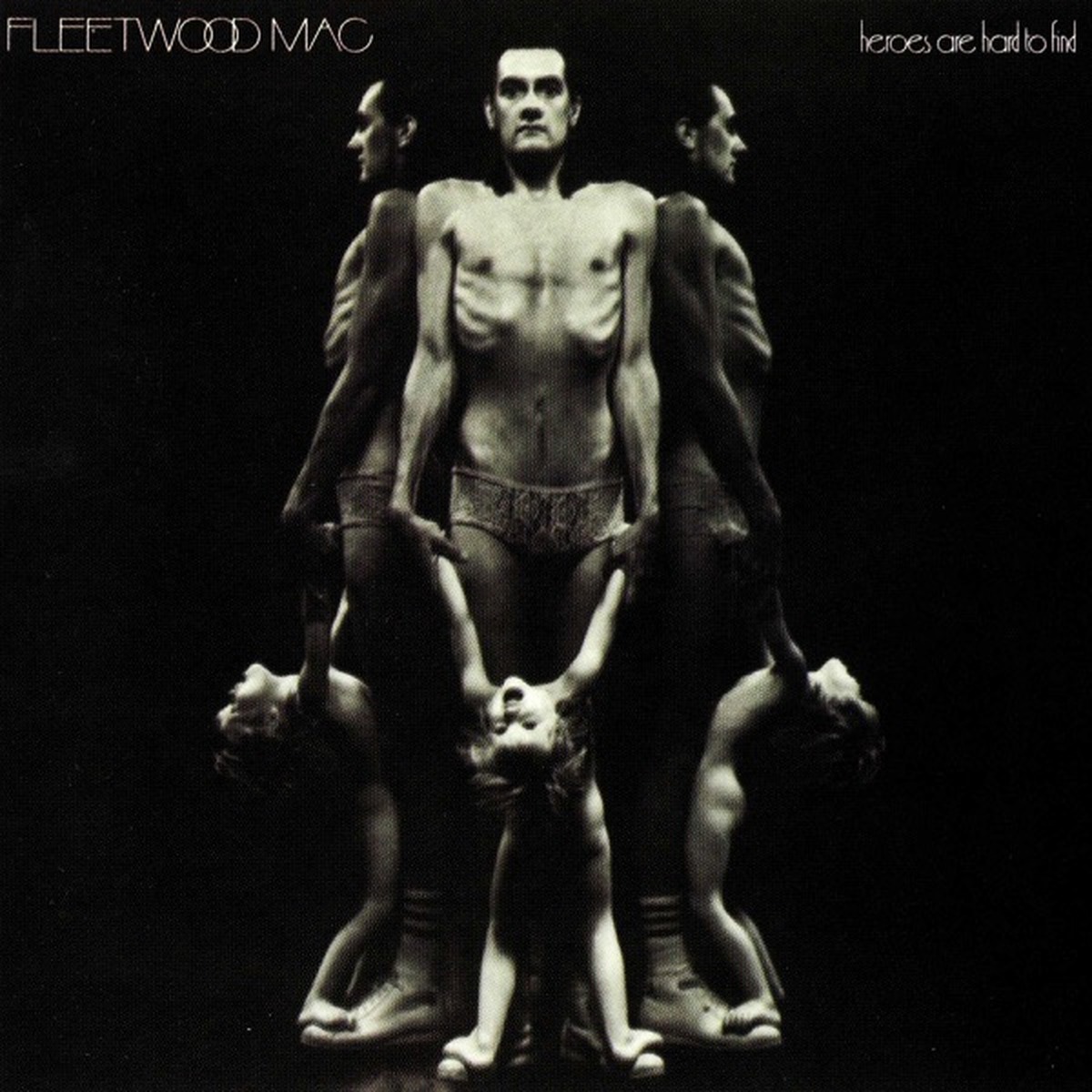
Heroes Are Hard to Find
September 13, 1974
Rock, soft rock, pop

Mystery to Me
October 15, 1973
Rock, soft rock, psychedelic rock

Penguin
March 16, 1973
Rock, soft rock

Bare Trees
March 06, 1972
Rock, pop
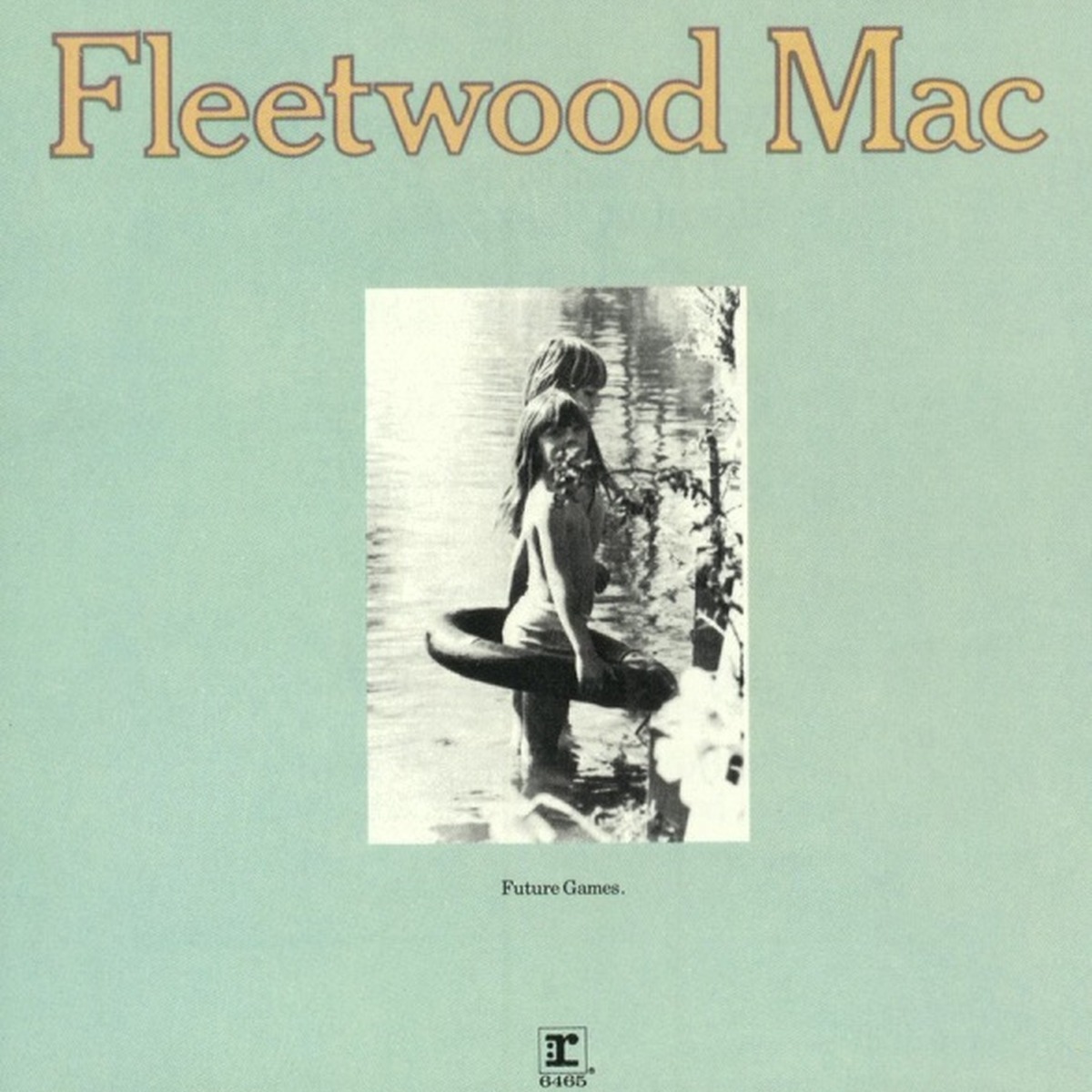
Future Games
September 03, 1971
Soft rock, psychedelic rock, progressive rock, folk rock, space rock

Kiln House
September 18, 1970
Blues rock, rock and roll, folk rock, soft rock

Fleetwood Mac in Chicago
December 05, 1969
Chicago blues
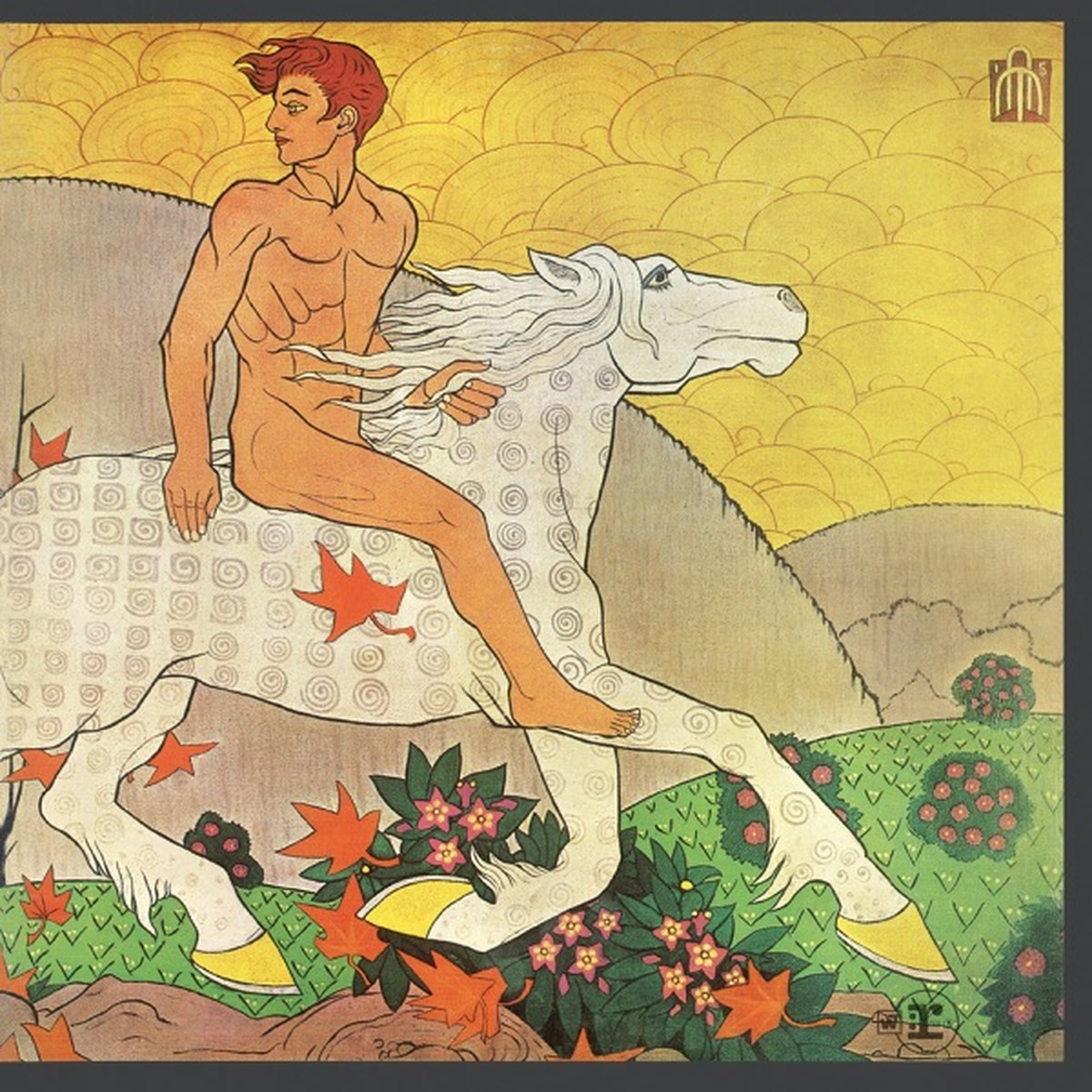
Then Play On
September 19, 1969
Blues rock, psychedelic rock, folk rock, hard rock

Mr. Wonderful
August 23, 1968
Blues rock

Fleetwood Mac (1968 album)
February 24, 1968
Blues rock
Musicians / Members connected to Fleetwood Mac





FAQ about Fleetwood Mac
What genre is Fleetwood Mac?
Fleetwood Mac is commonly associated with Rock, Pop, Blues.
Where is Fleetwood Mac from?
Fleetwood Mac is from London, England, United Kingdom.
How many albums by Fleetwood Mac are listed on musicOnOff?
musicOnOff currently lists 22 albums by Fleetwood Mac.
