
Tusk
by Fleetwood Mac
Released: October 12, 1979
Rock, pop rock, avant-pop
Shop Fleetwood Mac
Amazon affiliate linksWhy This Album Matters
This album matters because its strongest editorial story is: Experimental Album.
The Album
Known for its experimental sound, largely driven by Lindsey Buckingham's innovative songwriting and the influence of post-punk, the album had a production cost of approximately $1.4 million, making it one of the most expensive rock albums at the time. The album's artwork featured unique photography, and the band members often worked individually due to interpersonal tensions. "Tusk" is the twelfth studio album by Fleetwood Mac, released as a double album on October 12, 1979, in the U.S. and October 19, 1979, in the UK.
Inside the Recording
Buckingham aimed to create a distinct departure from Rumours, leading to a diverse sound that some critics described as "unleavened weirdness." The recording sessions were intense, with Buckingham experimenting with unconventional techniques.
Interesting Facts
The band supported the album with a nine-month…
The band supported the album with a nine-month world tour, during which they recorded material for the Fleetwood Mac Live album released in 1980.
Despite selling four million copies—far less than the…
Despite selling four million copies—far less than the ten million copies of their previous album, Rumours—Tusk has since been recognized as a significant work, appearing on several "greatest albums" lists.
Explore the Album
Fleetwood Mac - Tusk
Open in Albums Gallery
Reception
Buckingham aimed to create a distinct departure from Rumours, leading to a diverse sound that some critics described as "unleavened weirdness." The recording sessions were intense, with Buckingham experimenting with unconventional techniques. Overall, while initially viewed as a commercial disappointment, Tusk has gained critical acclaim over the years for its artistic ambition and innovation.
The Complete Album Story
"Tusk" is the twelfth studio album by Fleetwood Mac, released as a double album on October 12, 1979, in the U.S. and October 19, 1979, in the UK. Known for its experimental sound, largely driven by Lindsey Buckingham's innovative songwriting and the influence of post-punk, the album had a production cost of approximately $1.4 million, making it one of the most expensive rock albums at the time.
The band supported the album with a nine-month world tour, during which they recorded material for the Fleetwood Mac Live album released in 1980. Despite selling four million copies—far less than the ten million copies of their previous album, Rumours—Tusk has since been recognized as a significant work, appearing on several "greatest albums" lists.
Buckingham aimed to create a distinct departure from Rumours, leading to a diverse sound that some critics described as "unleavened weirdness." The recording sessions were intense, with Buckingham experimenting with unconventional techniques. The album's artwork featured unique photography, and the band members often worked individually due to interpersonal tensions.
Overall, while initially viewed as a commercial disappointment, Tusk has gained critical acclaim over the years for its artistic ambition and innovation.
More Rock Albums
 The Mekons - Me
 Yeah Yeah Yeahs - Cool It Down
 The Guess Who - Wheatfield Soul
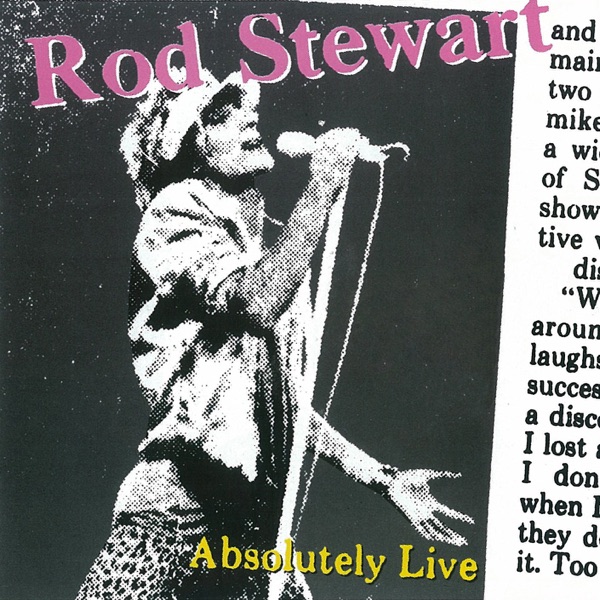 Rod Stewart - Absolutely Live (Rod Stewart album)
 Van Halen - For Unlawful Carnal Knowledge
 Joe Jackson - Night and Day II
 Kate Bush - Lionheart
 The Police - Greatest Hits (The Police album)
 Foreigner - Mr. Moonlight
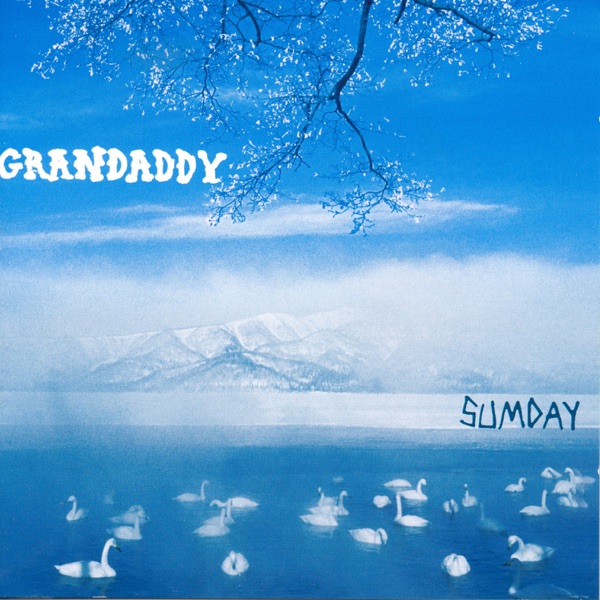 Grandaddy - Sumday

Join the Conversation
Share your thoughts about this album.
Please log in to add a comment.
No comments yet. Be the first to comment.