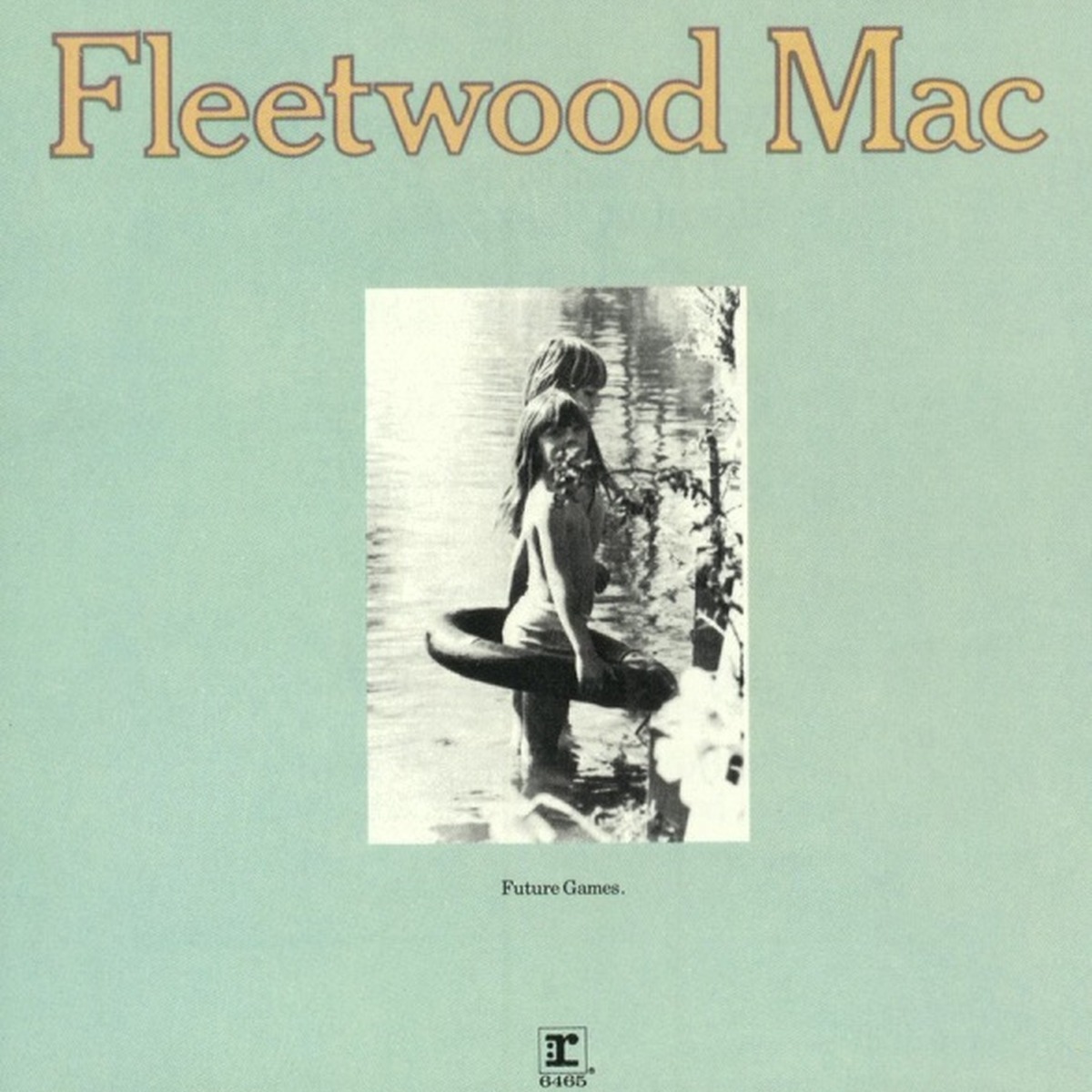
Future Games
by Fleetwood Mac
Released: September 03, 1971
Soft rock, psychedelic rock, progressive rock, folk rock, space rock
Shop Fleetwood Mac
Amazon affiliate linksWhy This Album Matters
The central hook has two directly verified components. First-hand: Welch told LancasterOnline that there was “no formal audition” and described the informal meeting; Christine McVie’s participant recollection, quoted in a 1979 profile, independently says the band talked with Welch until dawn and accepted him without first requiring a conventional performance. ([ledge.fleetwoodmac.net](https://ledge.fleetwoodmac.net/archive/index.php/t-44224.html)) Second first-hand component: in his FleetwoodMac.net Q&A, Welch explicitly said “Future Games” was the first song he did with Fleetwood Mac, that it became the album title, and that he had not expected this. The same answer supports the Holland-concert detail. ([fleetwoodmac.net](https://www.fleetwoodmac.net/fwm/index.php?Itemid=226&id=183&option=com_content&task=view)) Corroboration: Classic Rock/Louder independently recounts Wong’s call, Fleetwood Mac purchasing the ticket, the Guildford pickup, the unconventional selection process and Welch’s title-track contribution. ([loudersound.com](https://www.loudersound.com/features/fleetwood-mac-bob-welch)) Rhino confirms that Future Games was recorded at Advision during June–August 1971 and was the first Fleetwood Mac album featuring both Welch and Christine McVie as a full member. ([rhino.com](https://www.rhino.com/article/deep-dive-fleetwood-mac-future-games)) The headline states verified sequence only and does not claim that the unusual audition process caused the song to become the title track.
The Album
Prior to this, she had contributed as a session musician and a guest, but Future Games solidified her role as an integral part of the band's lineup. "Future Games" is the fifth studio album by British-American rock band Fleetwood Mac, released on September 3, 1971. It was recorded during the summer of 1971 at Advision Studios in London and marks several significant changes for the band.
Interesting Facts
Welch's inclusion marked a departure from the band's…
Welch's inclusion marked a departure from the band's earlier blues-oriented style and brought a fresh, unique influence.
This album was notable for being the first…
This album was notable for being the first to feature Christine McVie as a full member of Fleetwood Mac.
It also introduced American guitarist Bob Welch, whose…
It also introduced American guitarist Bob Welch, whose background in R&B and jazz added a new dimension to the band's sound.
Essential Tracks
Future Games
Prior to this, she had contributed as a session musician and a guest, but Future Games solidified her role as an integral part of the band's lineup.
Explore the Album
Fleetwood Mac - Future Games
Open in Albums Gallery
Reception
While it did not achieve immediate commercial success, the album was certified gold by the Recording Industry Association of America (RIAA) in 2000, reflecting its enduring impact and the influence of the lineup changes it introduced. Future Games peaked at No. 91 on the US Billboard 200 chart in December 1971.
The Complete Album Story
"Future Games" is the fifth studio album by British-American rock band Fleetwood Mac, released on September 3, 1971. It was recorded during the summer of 1971 at Advision Studios in London and marks several significant changes for the band.
This album was notable for being the first to feature Christine McVie as a full member of Fleetwood Mac. Prior to this, she had contributed as a session musician and a guest, but Future Games solidified her role as an integral part of the band's lineup. It also introduced American guitarist Bob Welch, whose background in R&B and jazz added a new dimension to the band's sound. Welch's inclusion marked a departure from the band's earlier blues-oriented style and brought a fresh, unique influence.
Future Games peaked at No. 91 on the US Billboard 200 chart in December 1971. While it did not achieve immediate commercial success, the album was certified gold by the Recording Industry Association of America (RIAA) in 2000, reflecting its enduring impact and the influence of the lineup changes it introduced.
More Soft rock Albums
 Sting - ...Nothing Like the Sun
 Jefferson Starship - Red Octopus
 The Beach Boys - Sunflower
 Lady Gaga - Joanne
 Barbra Streisand - Guilty
 Laura Nyro - Angel in the Dark
 Cat Stevens - Foreigner (Cat Stevens album)
 Steve Winwood - Arc of a Diver
 Bee Gees - One
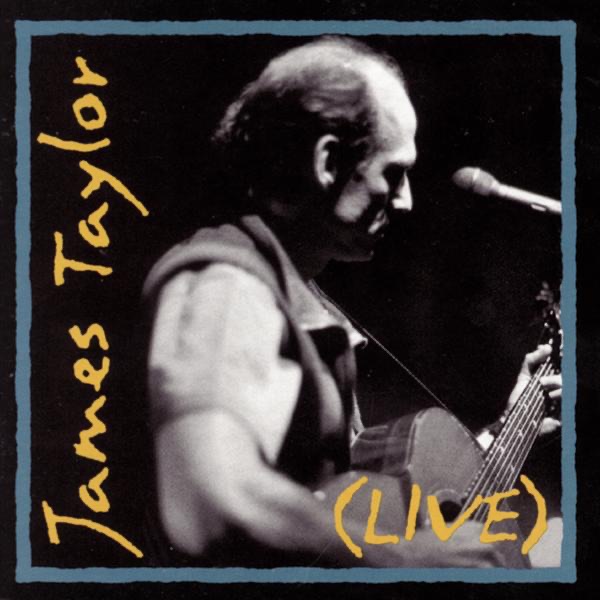 James Taylor - Live (James Taylor album)
 James Taylor - Hourglass
 Alanis Morissette - Havoc and Bright Lights

Join the Conversation
Share your thoughts about this album.
Please log in to add a comment.
No comments yet. Be the first to comment.