
In Search of the Lost Chord
by The Moody Blues
Released: July 26, 1968
Psychedelic rock, progressive rock
Shop The Moody Blues
Amazon affiliate linksThe Album
"In Search of the Lost Chord" is the third studio album by the Moody Blues, released in July 1968 on the Deram label. The success of the Moody Blues' previous album, Days of Future Passed, provided the band with more studio time and creative freedom for their follow-up, In Search of the Lost Chord. The album explores themes of spirituality and consciousness, incorporating elements of rock, orchestral arrangements, and innovative sound techniques.
Interesting Facts
It is notable for tracks like "Peak Hour"…
It is notable for tracks like "Peak Hour" and "Ride My See-Saw," reflecting the band's evolving style during this period.
Keyboardist Mike Pinder expressed in the Melody Maker…
Keyboardist Mike Pinder expressed in the Melody Maker that albums allow for experimentation and offer listeners a chance to engage deeply with the music, rather than just dancing to it.
Guitarist Justin Hayward reflected that this album marked…
Guitarist Justin Hayward reflected that this album marked a pivotal moment for the band, stating it was when they found their "soul and direction," as everything musically came together.
Essential Tracks
Ride My See-Saw
It is notable for tracks like "Peak Hour" and "Ride My See-Saw," reflecting the band's evolving style during this period.
Om
The success of the Moody Blues' previous album, Days of Future Passed, provided the band with more studio time and creative freedom for their follow-up, In Search of the Lost Chord.
Explore the Album
The Moody Blues - In Search of the Lost Chord
Open in Albums Gallery
The Complete Album Story
"In Search of the Lost Chord" is the third studio album by the Moody Blues, released in July 1968 on the Deram label. The album explores themes of spirituality and consciousness, incorporating elements of rock, orchestral arrangements, and innovative sound techniques. It is notable for tracks like "Peak Hour" and "Ride My See-Saw," reflecting the band's evolving style during this period.
The success of the Moody Blues' previous album, Days of Future Passed, provided the band with more studio time and creative freedom for their follow-up, In Search of the Lost Chord. Keyboardist Mike Pinder expressed in the Melody Maker that albums allow for experimentation and offer listeners a chance to engage deeply with the music, rather than just dancing to it. Guitarist Justin Hayward reflected that this album marked a pivotal moment for the band, stating it was when they found their "soul and direction," as everything musically came together.
More Psychedelic rock Albums
 Gong - The Universe Also Collapses
 Procol Harum - Procol Harum (album)
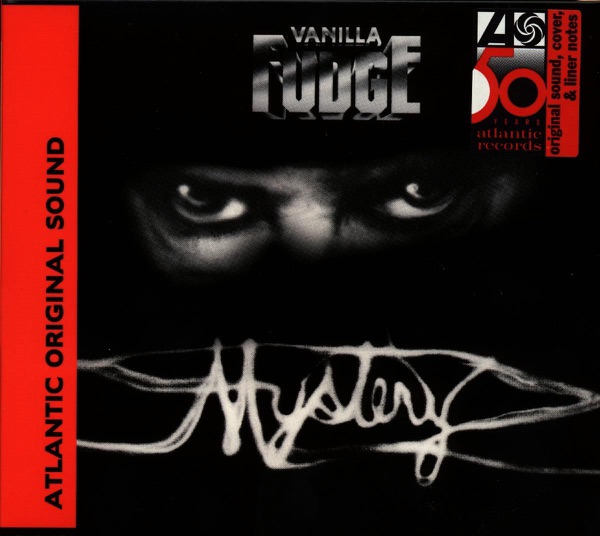 Vanilla Fudge - Mystery
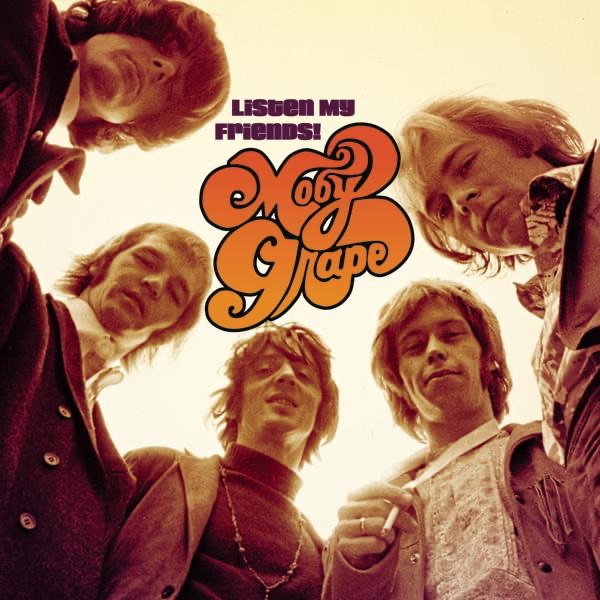 Moby Grape - Moby Grape (album)
 Love - Love
 Jefferson Airplane - Long John Silver (album)
 The Yardbirds - Roger the Engineer
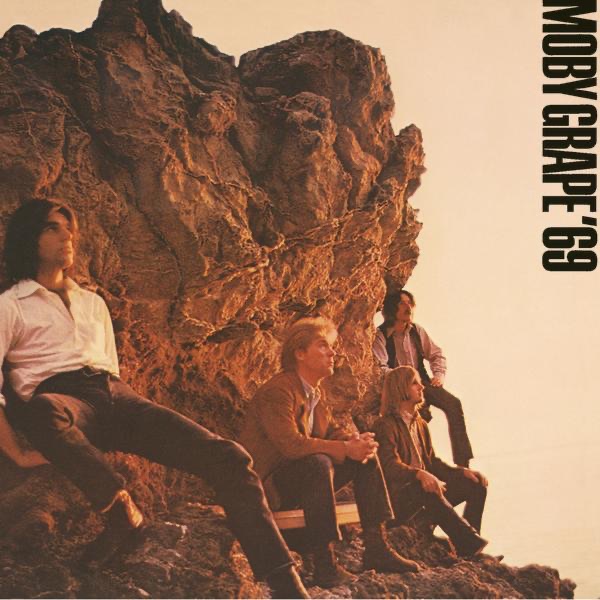 Moby Grape - Moby Grape '69
 Cage the Elephant - Melophobia
 Porcupine Tree - Up the Downstair
 War - The Black-Man's Burdon

Join the Conversation
Share your thoughts about this album.
Please log in to add a comment.
No comments yet. Be the first to comment.