
Electric Ladyland
by Jimi Hendrix
Released: October 16, 1968
Psychedelic rock, acid rock, hard rock, blues rock, funk, progressive soul
Shop Jimi Hendrix
Amazon affiliate linksWhy This Album Matters
This album matters because its strongest editorial story is: Experimental Album.
The Album
Hendrix's perfectionism led to extensive takes, particularly for tracks like "Gypsy Eyes." The environment in the studio became chaotic as Hendrix welcomed many friends and musicians, contributing to the album's unique sound. "Electric Ladyland" is the third and final studio album by the Jimi Hendrix Experience, released on October 16, 1968, in the United States. Recording took place across multiple studios in the U.S. and UK, with significant work done at the Record Plant Studios in New York City.
Interesting Facts
The album is recognized for its innovative studio…
The album is recognized for its innovative studio techniques, including backmasking and flanging, which helped redefine Hendrix's psychedelic and funk sounds.
Electric Ladyland features a variety of musical styles…
Electric Ladyland features a variety of musical styles, from the psychedelic "Burning of the Midnight Lamp" to the blues-infused "Voodoo Chile" and the socially conscious "House Burning Down." The album reflects Hendrix's musical evolution and experimentation, with tracks like "1983...
Music journalists have described Electric Ladyland as a…
Music journalists have described Electric Ladyland as a pivotal rock album, bridging psychedelic pop with aggressive funk elements.
It includes iconic tracks like his cover of…
It includes iconic tracks like his cover of Bob Dylan's "All Along the Watchtower," which became the Experience's best-selling single, and "Voodoo Child (Slight Return)," which remains a staple in rock music.
Electric Ladyland features a blend of various musical…
Electric Ladyland features a blend of various musical styles, showcasing Hendrix's wide-ranging talents.
Explore the Album
Jimi Hendrix - Electric Ladyland
Open in Albums Gallery
Reception
This double album is notable for being the only one produced solely by Hendrix and marks the band's most commercially successful release, reaching number one on the Billboard Top LPs chart and remaining there for two weeks. Despite initial mixed reviews, Electric Ladyland is now hailed as one of Hendrix's masterpieces and a cornerstone of rock music.
Legacy
It frequently appears on "greatest albums" lists, solidifying Hendrix's legacy as a transformative figure in music history.
The Complete Album Story
"Electric Ladyland" is the third and final studio album by the Jimi Hendrix Experience, released on October 16, 1968, in the United States. This double album is notable for being the only one produced solely by Hendrix and marks the band's most commercially successful release, reaching number one on the Billboard Top LPs chart and remaining there for two weeks.
Electric Ladyland features a blend of various musical styles, showcasing Hendrix's wide-ranging talents. It includes iconic tracks like his cover of Bob Dylan's "All Along the Watchtower," which became the Experience's best-selling single, and "Voodoo Child (Slight Return)," which remains a staple in rock music.
Recording took place across multiple studios in the U.S. and UK, with significant work done at the Record Plant Studios in New York City. Hendrix's perfectionism led to extensive takes, particularly for tracks like "Gypsy Eyes." The environment in the studio became chaotic as Hendrix welcomed many friends and musicians, contributing to the album's unique sound.
The album is recognized for its innovative studio techniques, including backmasking and flanging, which helped redefine Hendrix's psychedelic and funk sounds. Music journalists have described Electric Ladyland as a pivotal rock album, bridging psychedelic pop with aggressive funk elements.
Electric Ladyland features a variety of musical styles, from the psychedelic "Burning of the Midnight Lamp" to the blues-infused "Voodoo Chile" and the socially conscious "House Burning Down." The album reflects Hendrix's musical evolution and experimentation, with tracks like "1983... (A Merman I Should Turn to Be" demonstrating his creative ambitions.
The album's cover, featuring a controversial image of naked women, was initially met with mixed reactions. While Hendrix expressed surprise at the "naked lady" cover, he later embraced it. The cover faced censorship from some record dealers, further contributing to its notoriety.
Despite initial mixed reviews, Electric Ladyland is now hailed as one of Hendrix's masterpieces and a cornerstone of rock music. It frequently appears on "greatest albums" lists, solidifying Hendrix's legacy as a transformative figure in music history.
More Psychedelic rock Albums
 The Church - Further/Deeper
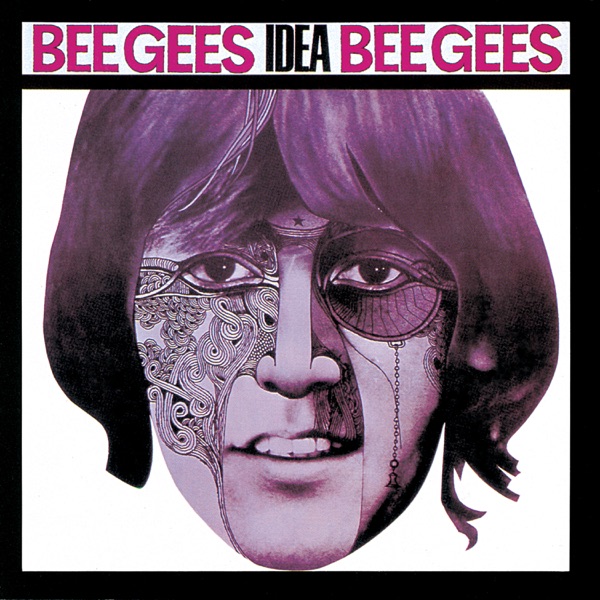 Bee Gees - Idea
 Eric Burdon & the Animals - Winds of Change
 Spirit - Spirit of '76 (album)
 Quicksilver Messenger Service - Shady Grove
 Jefferson Airplane - Long John Silver (album)
 The Byrds - Fifth Dimension (album)
 Dave Dee, Dozy, Beaky, Mick & Tich - If No-One Sang
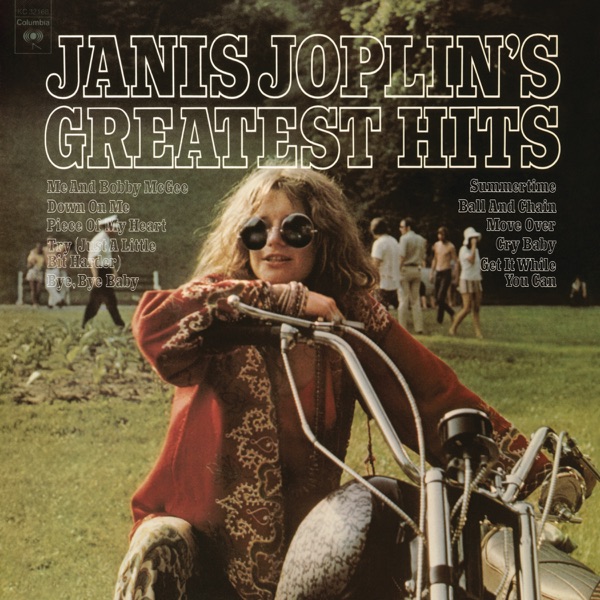 Janis Joplin - Janis Joplin's Greatest Hits
 The Church - Hologram of Baal
 Porcupine Tree - The Sky Moves Sideways

Join the Conversation
Share your thoughts about this album.
Please log in to add a comment.
No comments yet. Be the first to comment.