Jimi Hendrix
Overview
Jimi Hendrix, born Johnny Allen Hendrix on November 27, 1942, later changed to James Marshall Hendrix, is often heralded as one of the most influential electric guitarists in the history of popular music. Hendrix's innovative style of combining fuzz, feedback, and controlled distortion created a unique musical form. He was a trailblazer in the use of the electric guitar, contributing to the development of rock music in the late 1960s. His performances and recordings have since established him as a musical icon and are a constant source of inspiration for musicians across genres.
Hendrix left an indelible mark on the world of music despite his career only spanning four years before his tragic death at the age of 27. Jimi Hendrix began his ascent to fame in London, England, in 1966, where he formed 'The Jimi Hendrix Experience' and released groundbreaking work that would redefine rock music. His success in the UK propelled him to international fame, especially with his performance at the Monterey Pop Festival in 1967, where he famously lit his guitar on fire.
Hendrix’s life, often marked by intense creativity and tumultuous personal experiences, created a cultural archetype of the artist as a tortured genius. He experimented with a plethora of sounds and was just as forward-thinking in the studio as on stage. Not only did his music defy categories, but Hendrix himself was emblematic of the counterculture movements of his time. His influence extended beyond music into broader cultural expressions of the late 60s and early 70s.
In addition to his musical prowess, Hendrix was a style icon whose fashion sense mirrored the psychedelic and revolutionary shifts of his era. His work has continued to inspire artists and musicians long after his untimely death. The lasting appeal of his eclectic body of work confirms his eternal legacy as a pivotal figure in mainstream music history.
Formation and Early Years
Jimi Hendrix's early years were spent shuttling between relatives and homes in Seattle, Washington, where he was born and raised. As a young boy, he showed an interest in music, playing the guitar beginning at age 15. He had a difficult upbringing, facing issues related to poverty and family instability. During his teenage years, he played with several local bands, which honed his performance skills and fostered his burgeoning love for rock and blues.
After high school, Hendrix enlisted in the US Army in 1961, where he planned to become a paratrooper. Although his military service was brief, it was during this time that he met Billy Cox, with whom he would later perform. Upon leaving the Army in 1962, Hendrix began to develop his musical career more seriously, performing on the Chitlin' Circuit, a string of clubs and venues across the Southern United States that required him to be constantly traveling.
During his time on the circuit, Hendrix backed several famous acts, including Little Richard, B.B. King, and The Isley Brothers. These experiences were formative for Hendrix, allowing him to refine his stage presence and signature guitar-playing style. However, he was often fired for upstaging the other performers, indicating his natural flair and talent for captivating audiences.
Hendrix's major breakthrough occurred when Keith Richards’ girlfriend, Linda Keith, saw him play in a New York club in 1966 and suggested him to Chas Chandler, bassist of The Animals, who was keen on transitioning to management. Chandler signed Hendrix to a contract and brought him to London, setting the stage for his big break.
Career Highlights
Upon his arrival in London in 1966, Jimi Hendrix quickly became the talk of the town. Forming The Jimi Hendrix Experience with bassist Noel Redding and drummer Mitch Mitchell, the trio recorded their first single 'Hey Joe', which reached the top ten in the UK. This success was rapidly followed by hits like 'Purple Haze' and 'The Wind Cries Mary', which solidified Hendrix's status as a rising star in the rock world.
The band’s debut album, 'Are You Experienced', was released in 1967 to critical and commercial acclaim. The album featured several track successes and is now considered one of the greatest debut albums in the history of rock music. The Jimi Hendrix Experience quickly gained popularity and had their big break in the United States with their performance at the Monterey Pop Festival. Hendrix’s flamboyant theatrical performance, which concluded with him setting his guitar ablaze on stage, became iconic.
Hendrix released several important albums following his debut, including 'Axis: Bold as Love' and 'Electric Ladyland', the latter of which became his first and only number one album in the US. Both albums expanded on his prowess as a musician and his capability as a producer as Hendrix took a more active role in controlling his creative output.
Despite his commercial success, Hendrix faced challenges managing his growing fame and personal struggles. Nonetheless, his live performances remained transcendent, with notable highlights being the 1969 Woodstock Festival where his rendition of 'The Star-Spangled Banner' became emblematic of the era's counterculture.
Hendrix continued to push boundaries until his death on September 18, 1970, attributed to asphyxia related to drug consumption. His legacy remains enshrined in his visionary work, fascinating performances, and ongoing influence in the world of music.
Musical Style
Jimi Hendrix’s musical style was characterized by a revolutionary use of the electric guitar. His technique involved feedback and distortion, using them as integral elements of his music rather than as unwanted noises. Hendrix expanded the possibilities of the electric guitar, using it as a tool for expressing the wide array of sounds and emotions he envisaged in his music.
His use of the wah-wah pedal and unorthodox playing techniques contributed to his distinctive sound. He was heavily influenced by blues music, citing artists like Muddy Waters, B.B. King, and Howlin' Wolf, which is evident in his playing style. Hendrix's music ventured into psychedelia, with vocal experimentation, innovative studio technologies, and complex song structures.
Hendrix was known for his ambidextrous control of his guitar, playing his Fender Stratocaster left-handed by flipping it upside down and restringing it. This not only enhanced his distinctive sound but also added to his mythic stage presence. Beyond his technical prowess, Hendrix infused his compositions with a vulnerable, emotive quality, with lyrics that often explored themes of love, peace, and existential contemplation.
His ability to blend rock, blues, and psychedelic music allowed him to create a wholly unique and enduring sound. Hendrix's music transcended traditional genre boundaries, bringing a cosmic, soulful, and deeply personal experience to listeners. His approach has influenced countless artists and has set a benchmark for electric guitar playing that continues to inspire musicians today.
Most Important Albums
Jimi Hendrix’s discography, albeit short due to his untimely death, includes a number of standout albums that have had a profound impact on rock music. 'Are You Experienced', the debut album by The Jimi Hendrix Experience, is perhaps the most monumental of Hendrix's projects. Released in 1967, it features hits such as 'Foxy Lady', 'Fire', and 'Purple Haze'. The album showcased Hendrix's innovative guitar skills and unique approach, establishing him as a virtuoso and setting a new standard for psychedelic rock.
The follow-up album, 'Axis: Bold as Love', released in late 1967, demonstrated Hendrix's growth as a musician and a songwriter. Tracks like 'Little Wing' and 'If 6 Was 9' revealed his ability to weave complicated themes with experimental sounds, drawing heavily from his own life and the sociopolitical climate of the time.
'Electric Ladyland', the third and final studio album by The Jimi Hendrix Experience, is another critical success. Released in 1968, it is widely regarded as Hendrix’s magnum opus. The album includes 'Voodoo Child (Slight Return)' and 'All Along the Watchtower', a Bob Dylan cover that Hendrix made his own through a passionate and intricate guitar arrangement. 'Electric Ladyland' not only displayed Hendrix's exceptional guitar work but also his vision as a producer, with elaborate soundscapes and studio techniques that pushed the boundaries of the then-current recording technology.
The influence of these albums extends far beyond their original release to impact subsequent music genres such as hard rock, heavy metal, and beyond, showcasing Hendrix's enduring legacy.
Legacy and Influence
Jimi Hendrix's legacy and influence in the world of music are profound and continue to resonate with artists and audiences alike. Widely considered one of the greatest guitarists of all time, his innovations with the electric guitar have inspired countless musicians across various genres. Hendrix's work redefined the possibilities of guitar music, introducing new styles of playing and sound manipulation that remain a crucial reference point for aspiring guitarists.
Hendrix’s impact goes beyond his technical prowess; he pushed the musical boundaries of his time and represented the epitome of the 1960s counterculture movement. His fearless approach and distinct expression resonated profoundly with the era’s spirit of rebellion and change, influencing not only those in music but also within broader cultural movements.
The guitar techniques pioneered by Hendrix have been analyzed and emulated by musicians globally, from those playing classic rock to modern alternative and metal. His use of studio effects and manipulation of sound laid the groundwork for the progressive and experimental approaches dominant in later rock and electronic music.
Hendrix was posthumously inducted into the Rock and Roll Hall of Fame in 1992, further solidifying his status as a trailblazer in music history. He is remembered not only for his technical mastery and flamboyant performances but also for his ability to evoke a deep emotional connection through his music. In the decades since his passing, his work continues to inspire and influence, ensuring that Jimi Hendrix’s musical brilliance will never be forgotten.
Albums by Jimi Hendrix

The Jimi Hendrix Experience
September 12, 2000
Rock

Live at Woodstock (Jimi Hendrix album)
July 06, 1999
Rock

Blues (Jimi Hendrix album)
April 26, 1994
Blues, blues rock

Crash Landing
March 07, 1975
Rock
🛍 Shop Music
 T-Shirt
Jimi Hendrix
Jimi Hendrix 1960's Psychedelic Musical Icon USA Flag Distressed T-Shirt Tee
Amazon ↗
T-Shirt
Jimi Hendrix
Jimi Hendrix 1960's Psychedelic Musical Icon USA Flag Distressed T-Shirt Tee
Amazon ↗
 T-Shirt
Jimi Hendrix
Jimi Hendrix are you experienced vinyl
Amazon ↗
T-Shirt
Jimi Hendrix
Jimi Hendrix are you experienced vinyl
Amazon ↗
 T-Shirt
Love Heart Zappa
Love Heart Zappa Tee Grunge Vintage Style Black Zappa T-Shirt
Amazon ↗
T-Shirt
Love Heart Zappa
Love Heart Zappa Tee Grunge Vintage Style Black Zappa T-Shirt
Amazon ↗
 Vinyl
Boyz II Men
Boyz II Men — II
Amazon ↗
Vinyl
Boyz II Men
Boyz II Men — II
Amazon ↗
 CD
The Libertines
The Libertines
Amazon ↗
CD
The Libertines
The Libertines
Amazon ↗
 Merch
Onebttl Cup Music
Onebttl Cup Music Lover Gifts (Black)
Amazon ↗
Merch
Onebttl Cup Music
Onebttl Cup Music Lover Gifts (Black)
Amazon ↗
 Hoodie
Bob Dylan
Bob Dylan - Blood On The Tracks Pullover Hoodie
Amazon ↗
Hoodie
Bob Dylan
Bob Dylan - Blood On The Tracks Pullover Hoodie
Amazon ↗
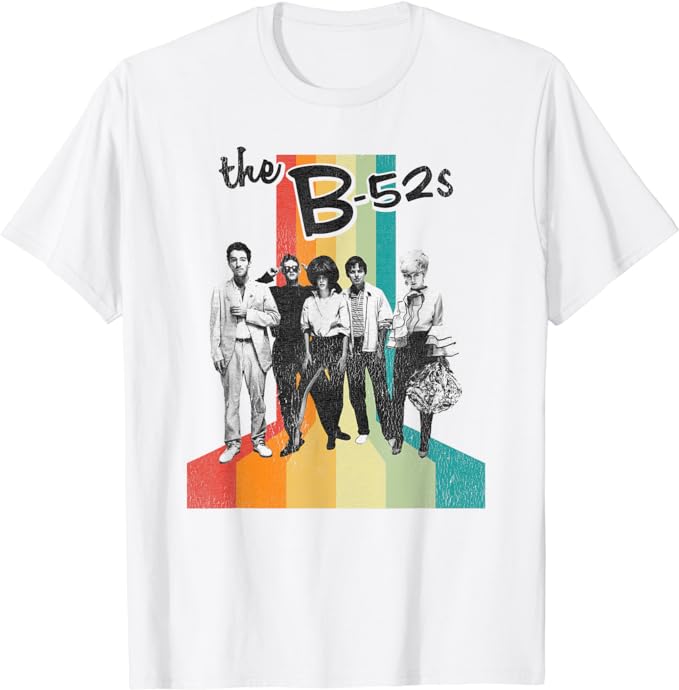 T-Shirt
The B-52s
The B-52s - Album Cover T-Shirt
Amazon ↗
T-Shirt
The B-52s
The B-52s - Album Cover T-Shirt
Amazon ↗
 Vinyl
Rush
Rush A Farewell To Kings Vinyl
Amazon ↗
Vinyl
Rush
Rush A Farewell To Kings Vinyl
Amazon ↗
 CD
The Mamas & The Papas
The Mamas & The Papas Deliver
Amazon ↗
CD
The Mamas & The Papas
The Mamas & The Papas Deliver
Amazon ↗
 Merch
Music Guitar Table
Music Guitar Table Lamp Art Decor Guitar Stuff Cool Gifts for Music Art Lovers
Amazon ↗
Merch
Music Guitar Table
Music Guitar Table Lamp Art Decor Guitar Stuff Cool Gifts for Music Art Lovers
Amazon ↗
 Hoodie
Oasis
Oasis Definitely Maybe T-Shirt
Amazon ↗
Hoodie
Oasis
Oasis Definitely Maybe T-Shirt
Amazon ↗
TShirt.jpg) T-Shirt
Metallica
Metallica - and Justice for All (Tracks) T Shirt
Amazon ↗
T-Shirt
Metallica
Metallica - and Justice for All (Tracks) T Shirt
Amazon ↗
 Vinyl
Madonna
Like a Virgin - Exclusive Limited Edition
Amazon ↗
Vinyl
Madonna
Like a Virgin - Exclusive Limited Edition
Amazon ↗
 CD
Lenny Kravitz
Black And White America CD
Amazon ↗
CD
Lenny Kravitz
Black And White America CD
Amazon ↗
 Merch
Foot Traffic Men's
Foot Traffic Men's Music-Themed Socks, Guitar Neck
Amazon ↗
Merch
Foot Traffic Men's
Foot Traffic Men's Music-Themed Socks, Guitar Neck
Amazon ↗
 Hoodie
Leonard Cohen
Cohen Name Pullover Hoodie
Amazon ↗
Hoodie
Leonard Cohen
Cohen Name Pullover Hoodie
Amazon ↗
 T-Shirt
Vinyl Record Music
Vinyl Record Music LP Classic 80s Sunset T-Shirt
Amazon ↗
T-Shirt
Vinyl Record Music
Vinyl Record Music LP Classic 80s Sunset T-Shirt
Amazon ↗
 Vinyl
Nirvana
Incesticide
Amazon ↗
Vinyl
Nirvana
Incesticide
Amazon ↗
 CD
Nine Inch Nails
Hesitation Marks Deluxe Version
Amazon ↗
CD
Nine Inch Nails
Hesitation Marks Deluxe Version
Amazon ↗
 Merch
Foo Fighters
Foo Fighters 'FF Logo'
Amazon ↗
Merch
Foo Fighters
Foo Fighters 'FF Logo'
Amazon ↗
 Hoodie
Rush
Rush Starman Logo Pull Over Hoodie Black | Officially Licensed Merchandise
Amazon ↗
Hoodie
Rush
Rush Starman Logo Pull Over Hoodie Black | Officially Licensed Merchandise
Amazon ↗
 T-Shirt
Siouxsie And The Banshees
Siouxsie and The Banshees T-Shirt Man Women Casual Round Neck
Amazon ↗
T-Shirt
Siouxsie And The Banshees
Siouxsie and The Banshees T-Shirt Man Women Casual Round Neck
Amazon ↗
 Vinyl
Iggy Pop
Iggy Pop — Lust for Life Vinyl
Amazon ↗
Vinyl
Iggy Pop
Iggy Pop — Lust for Life Vinyl
Amazon ↗
 CD
Boyz II Men
II DTS Surround Sound Edition by Boyz II Men (1997) Audio CD
Amazon ↗
CD
Boyz II Men
II DTS Surround Sound Edition by Boyz II Men (1997) Audio CD
Amazon ↗
 Merch
Red Hot Chili Peppers
Red Hot Chili Peppers Embroidered Logo Black Colorway Adjustable Snapback Hat
Amazon ↗
Merch
Red Hot Chili Peppers
Red Hot Chili Peppers Embroidered Logo Black Colorway Adjustable Snapback Hat
Amazon ↗
 Hoodie
The Libertines
The Libertines Red Logo Sweatshirt
Amazon ↗
Hoodie
The Libertines
The Libertines Red Logo Sweatshirt
Amazon ↗
 T-Shirt
Sex Pistols
Sex Pistols Official Union Jack Words T-Shirt
Amazon ↗
T-Shirt
Sex Pistols
Sex Pistols Official Union Jack Words T-Shirt
Amazon ↗
 Vinyl
Lenny Kravitz
Black and White America Black Rocktober 2025) Vinyl
Amazon ↗
Vinyl
Lenny Kravitz
Black and White America Black Rocktober 2025) Vinyl
Amazon ↗
 CD
Oasis
What's the Story Morning Glory? & Definitely Maybe by Oasis Deluxe Versions Collection
Amazon ↗
CD
Oasis
What's the Story Morning Glory? & Definitely Maybe by Oasis Deluxe Versions Collection
Amazon ↗
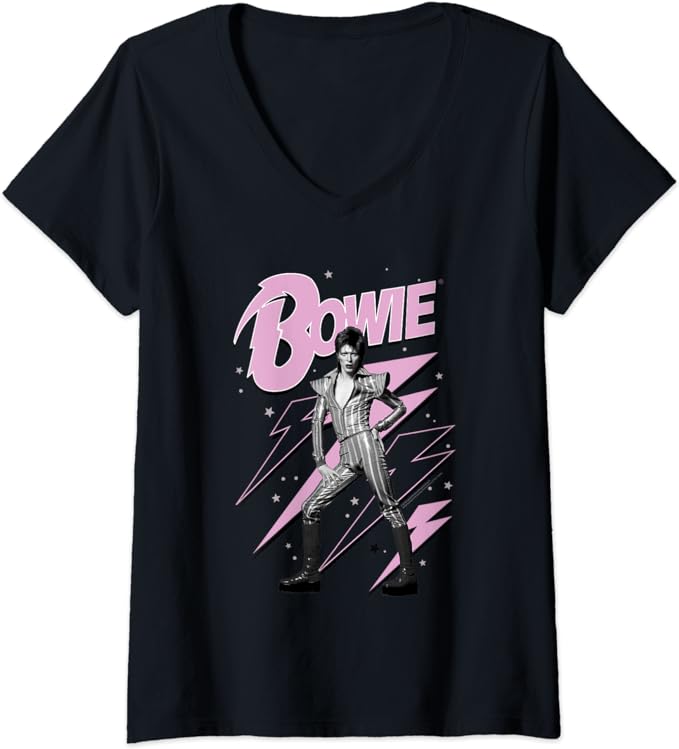 Merch
David Bowie
Womens David Bowie - Pink Lightning
Amazon ↗
Merch
David Bowie
Womens David Bowie - Pink Lightning
Amazon ↗
 Hoodie
Lenny Kravitz
Lenny Kravitz Let Love Rule Photo Pullover Hoodie
Amazon ↗
Hoodie
Lenny Kravitz
Lenny Kravitz Let Love Rule Photo Pullover Hoodie
Amazon ↗
 T-Shirt
Retro Drumsticks Drummer
Retro Drumsticks Drummer Gifts Drums T-Shirt
Amazon ↗
T-Shirt
Retro Drumsticks Drummer
Retro Drumsticks Drummer Gifts Drums T-Shirt
Amazon ↗
 Vinyl
The Libertines
The Libertines
Amazon ↗
Vinyl
The Libertines
The Libertines
Amazon ↗
 CD
The Mamas & The Papas
If You Can Believe Your Eyes And Ears
Amazon ↗
CD
The Mamas & The Papas
If You Can Believe Your Eyes And Ears
Amazon ↗
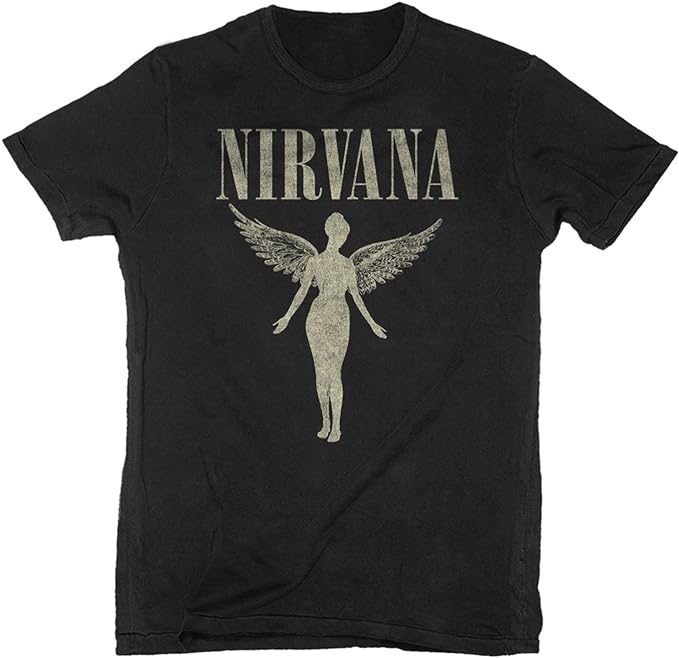 Merch
Nirvana
Nirvana - In Utero Tour
Amazon ↗
Merch
Nirvana
Nirvana - In Utero Tour
Amazon ↗
 Hoodie
Nine Inch Nails
Nine Inch Nails Hoodie Classic Band
Amazon ↗
Hoodie
Nine Inch Nails
Nine Inch Nails Hoodie Classic Band
Amazon ↗
 T-Shirt
"Stayin' Alive" Vintage
"Stayin' Alive" Vintage 1970s classic Distressed T-Shirt
Amazon ↗
T-Shirt
"Stayin' Alive" Vintage
"Stayin' Alive" Vintage 1970s classic Distressed T-Shirt
Amazon ↗
 Vinyl
Madonna
Music
Amazon ↗
Vinyl
Madonna
Music
Amazon ↗
 CD
Leonard Cohen
New Skin For The Old Ceremony
Amazon ↗
CD
Leonard Cohen
New Skin For The Old Ceremony
Amazon ↗
 Merch
Nirvana
Nirvana T Shirt Unplugged
Amazon ↗
Merch
Nirvana
Nirvana T Shirt Unplugged
Amazon ↗
 Hoodie
Nine Inch Nails
Nine Inch Nails Downward Spiral Pullover Hoodie
Amazon ↗
Hoodie
Nine Inch Nails
Nine Inch Nails Downward Spiral Pullover Hoodie
Amazon ↗
 T-Shirt
Fleetwood Mac
Fleetwood Mac Rumors T-Shirt
Amazon ↗
T-Shirt
Fleetwood Mac
Fleetwood Mac Rumors T-Shirt
Amazon ↗
 Vinyl
Madonna
Erotica - Madonna
Amazon ↗
Vinyl
Madonna
Erotica - Madonna
Amazon ↗
 CD
The Mamas & The Papas
The Mamas & The Papas
Amazon ↗
CD
The Mamas & The Papas
The Mamas & The Papas
Amazon ↗
 Merch
The Libertines
The Libertines – Black Logo Tank Top
Amazon ↗
Merch
The Libertines
The Libertines – Black Logo Tank Top
Amazon ↗
 T-Shirt
Womens Retro Distressed
Womens Retro Distressed Bolt Lightning Graphic Design V-Neck T-Shirt
Amazon ↗
T-Shirt
Womens Retro Distressed
Womens Retro Distressed Bolt Lightning Graphic Design V-Neck T-Shirt
Amazon ↗
 Vinyl
The Mamas & The Papas
If You Can Believe Your Eyes And Ears
Amazon ↗
Vinyl
The Mamas & The Papas
If You Can Believe Your Eyes And Ears
Amazon ↗
 CD
Bob Dylan
Bob Dylan — Highway 61 Revisited
Amazon ↗
CD
Bob Dylan
Bob Dylan — Highway 61 Revisited
Amazon ↗
 Merch
Bob Dylan
Bob Dylan Socks Guitar Pattern Logo
Amazon ↗
Merch
Bob Dylan
Bob Dylan Socks Guitar Pattern Logo
Amazon ↗

Hendrix in the West
January 07, 1972
Rock

Rainbow Bridge
October 29, 1971
Blues, psychedelia

Experience (Jimi Hendrix album)
August 04, 1971
Rock

The Cry of Love
March 05, 1971
Rock

Band of Gypsys
March 25, 1970
Rock, funk, psychedelic funk, funk rock

Electric Ladyland
October 16, 1968
Psychedelic rock, acid rock, hard rock, blues rock, funk, progressive soul

Smash Hits (The Jimi Hendrix Experience album)
April 12, 1968
Rock

Axis: Bold as Love
December 01, 1967
Psychedelia rock, pop rock, funk rock

Are You Experienced
May 12, 1967
Psychedelic rock, hard rock, acid rock, blues
Musicians / Members connected to Jimi Hendrix


FAQ about Jimi Hendrix
What genre is Jimi Hendrix?
Jimi Hendrix is commonly associated with Rock, Psychedelic rock, Blues.
Where is Jimi Hendrix from?
Jimi Hendrix is from Seattle, Washington, USA.
How many albums by Jimi Hendrix are listed on musicOnOff?
musicOnOff currently lists 13 albums by Jimi Hendrix.
