
Revolver (Beatles album)
by The Beatles
Released: August 05, 1966
Rock, pop, psychedelia, rhythm and blues
Shop The Beatles
Amazon affiliate linksWhy This Album Matters
This album matters because its strongest editorial story is: Experimental Album.
The Album
"Revolver" is the seventh studio album by the Beatles, released on August 5, 1966. This album, which followed a three-month break for the band, marked their final recording project before retiring from live performances and saw their most extensive use of studio technology up to that point. The album was recorded during a period of significant cultural change in London and is often seen as the start of the Beatles' psychedelic era.
Interesting Facts
A remixed and expanded edition was released in…
A remixed and expanded edition was released in 2022.
It reflects their interest in LSD, Eastern philosophy…
It reflects their interest in LSD, Eastern philosophy, and avant-garde techniques, addressing themes such as death and spiritual transcendence.
Notable tracks include "Tomorrow Never Knows," which features…
Notable tracks include "Tomorrow Never Knows," which features Indian drone and tape loops; "Eleanor Rigby," with its string octet; and "Love You To," incorporating Hindustani classical music.
In the UK, Revolver was released with 14…
In the UK, Revolver was released with 14 tracks, while in North America, Capitol Records issued a version with only 11 tracks, omitting three that appeared on the June 1966 LP Yesterday and Today.
Essential Tracks
Love You To
Notable tracks include "Tomorrow Never Knows," which features Indian drone and tape loops; "Eleanor Rigby," with its string octet; and "Love You To," incorporating Hindustani classical music.
Tomorrow Never Knows
Notable tracks include "Tomorrow Never Knows," which features Indian drone and tape loops; "Eleanor Rigby," with its string octet; and "Love You To," incorporating Hindustani classical music.
Explore the Album
The Beatles - Revolver (Beatles album)
Open in Albums Gallery
Reception
The album topped charts in both the UK and US, though it faced some controversy in the US due to John Lennon's remarks about the band being "more popular than Jesus." Revolver is credited with expanding the boundaries of pop music, revolutionizing studio recording practices, and inspiring genres like psychedelic rock, electronica, and progressive rock. It was certified double platinum by the BPI and 5× platinum by the RIAA. The album's cover, designed by Klaus Voormann, won the Grammy Award for Best Album Cover, Graphic Arts.
Legacy
It is considered one of the greatest and most innovative albums in popular music history, noted for its range of styles, diverse sounds, and lyrical depth.
The Complete Album Story
"Revolver" is the seventh studio album by the Beatles, released on August 5, 1966. This album, which followed a three-month break for the band, marked their final recording project before retiring from live performances and saw their most extensive use of studio technology up to that point. It is considered one of the greatest and most innovative albums in popular music history, noted for its range of styles, diverse sounds, and lyrical depth.
The album was recorded during a period of significant cultural change in London and is often seen as the start of the Beatles' psychedelic era. It reflects their interest in LSD, Eastern philosophy, and avant-garde techniques, addressing themes such as death and spiritual transcendence. Notable tracks include "Tomorrow Never Knows," which features Indian drone and tape loops; "Eleanor Rigby," with its string octet; and "Love You To," incorporating Hindustani classical music.
In the UK, Revolver was released with 14 tracks, while in North America, Capitol Records issued a version with only 11 tracks, omitting three that appeared on the June 1966 LP Yesterday and Today. The album topped charts in both the UK and US, though it faced some controversy in the US due to John Lennon's remarks about the band being "more popular than Jesus."
Revolver is credited with expanding the boundaries of pop music, revolutionizing studio recording practices, and inspiring genres like psychedelic rock, electronica, and progressive rock. The album's cover, designed by Klaus Voormann, won the Grammy Award for Best Album Cover, Graphic Arts. It has been highly acclaimed in numerous rankings, including being listed as the best Beatles album by some critics. It was certified double platinum by the BPI and 5× platinum by the RIAA. A remixed and expanded edition was released in 2022.
More Rock Albums
 The Afghan Whigs - Gentlemen
 America - Holiday
 The Rolling Stones - Exile on Main St.
 The War on Drugs - Wagonwheel Blues (album)
 Billy Joel - The Stranger
 Lou Reed - The Raven
 Iron Butterfly - Heavy
 The Go-Go's - Vacation
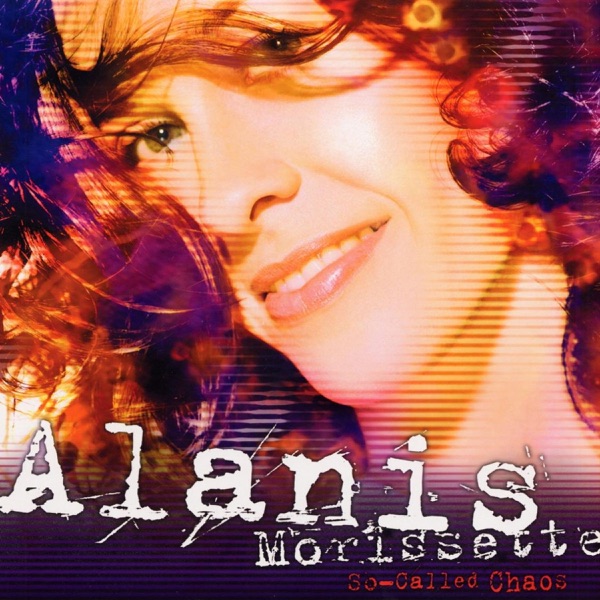 Alanis Morissette - So-Called Chaos
 Placebo - Without You I'm Nothing
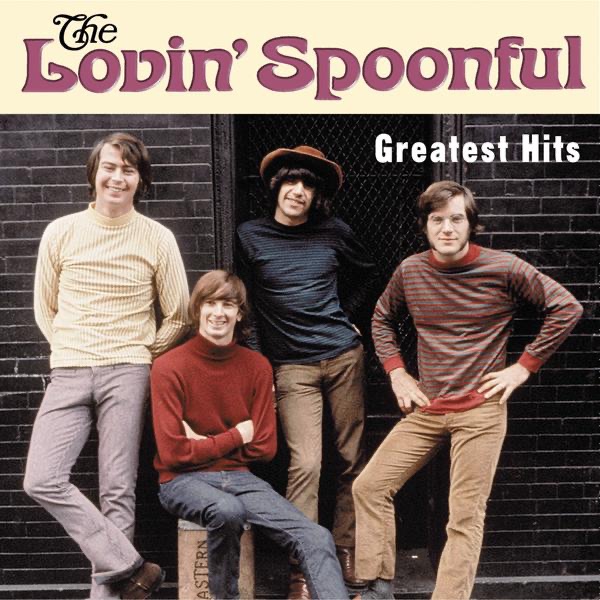 The Lovin' Spoonful - The Lovin' Spoonful Greatest Hits
 Queen - On Air

Join the Conversation
Share your thoughts about this album.
Please log in to add a comment.
No comments yet. Be the first to comment.