The Beatles
Overview
The Beatles were an English rock band formed in Liverpool in 1960 that became widely regarded as the foremost and most influential music band in history. The group comprised John Lennon, Paul McCartney, George Harrison, and Ringo Starr. They are known for their profound impact on music and popular culture, transforming the perception of popular music as a legitimate art form and becoming a global phenomenon during the height of their career in the 1960s. By the time they disbanded in 1970, The Beatles had spearheaded a cultural revolution, pushing the boundaries of music creativity with innovative records and visuals.
Over the course of their career, The Beatles experimented with various musical styles, ranging from rock and pop ballads to psychedelic and classical influences. Their songwriting partnership, particularly between Lennon and McCartney, is heralded as one of the most successful and influential of its time. Despite their breakup, the band's music continues to be celebrated and cherished by fans old and new alike, with modern artists citing The Beatles as a major influence on their music. This enduring legacy is fueled by a catalog that remains relevant and profound decades after it was first released.
The Beatles were not only musicians but cultural icons, who shaped the sixties in profound ways across the globe. Their music, style, and look were adopted worldwide, capturing the hearts and minds of an entire generation. They inspired near-infinite imitators and left an indelible mark on the landscape of popular culture. Their impact began in Europe but soon spread globally, encapsulating the spirit of youthful rebellion and experimentation that characterized their era.
Formation and Early Years
The Beatles' story began in Liverpool, England, where John Lennon formed a band called The Quarrymen in 1957, which would eventually evolve into The Beatles. Lennon met Paul McCartney at a local church fete in July 1957, after which McCartney joined the band. George Harrison, a friend of McCartney’s, auditioned for the band in 1958 and was eventually invited to join, despite his young age. This marked the beginning of the core trio's collaboration, which would later expand with the inclusion of Ringo Starr as their drummer.
Initially, the band went through several name changes, from The Quarrymen to Johnny and the Moondogs, and then The Silver Beetles before finally settling on The Beatles. During these early years, the members played together in various configurations, honing their skills and building their chemistry at venues in Liverpool and Hamburg, Germany. Their performances in Hamburg from 1960 to 1962 are often credited as crucial formative experiences, forcing them to play for hours on end, which helped them develop their stage presence and musical versatility.
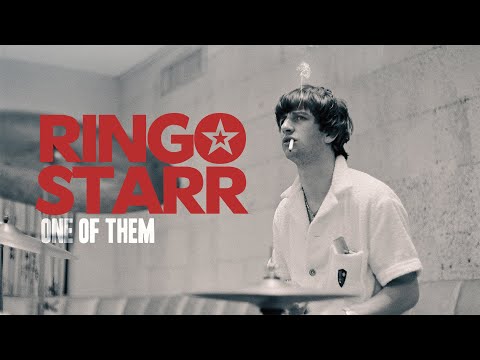
In 1962, The Beatles secured a recording contract with EMI's Parlophone label, following a series of auditions with producer George Martin. This marked the beginning of their professional recording career. With Martin's guidance, they developed their distinctive sound, blending elements of rock and roll, skiffle, beat, and 1950s rock. The inclusion of Ringo Starr in mid-1962, replacing drummer Pete Best, completed the lineup known and loved today.
Career Highlights
With Ringo Starr on drums and under the management of Brian Epstein, The Beatles released their debut single 'Love Me Do' in 1962, which achieved moderate success in the UK. However, it was their following single 'Please Please Me' in 1963 that catapulted them to fame, reaching number one in the UK charts. Their debut album, also titled "Please Please Me," was released in March 1963 and began a streak of unprecedented success both in the UK and overseas.
The year 1964 marked the beginning of Beatlemania, as their fame spread to the United States. Their appearance on The Ed Sullivan Show that year was viewed by over 73 million people, a turning point solidifying their status as international superstars. During this period, they released several groundbreaking albums, including 'A Hard Day's Night' (1964), 'Beatles for Sale' (1964), and 'Help!' (1965), among others. These works showcased their evolving musical sophistication and established them as pioneers in sound recording and composition.
The Beatles continued to innovate throughout the latter half of the 1960s with albums such as 'Rubber Soul' (1965), 'Revolver' (1966), and 'Sgt. Pepper's Lonely Hearts Club Band' (1967), each marked by increasing experimentation in the studio. 'Sgt. Pepper's' in particular marked a high point in the band's creativity and is often cited as one of the greatest albums in the history of popular music. The group's later albums, including 'The White Album' (1968) and 'Abbey Road' (1969), continued this trend of innovation and artistry.
Musical Style
The Beatles' music evolved significantly over their decade-long career. Initially, they drew heavily from rock and roll and skiffle, with early influences including artists like Elvis Presley, Little Richard, and Chuck Berry. As they developed their sound, they began incorporating a wider array of musical styles, blending elements of folk, classical music, and later, psychedelia into their compositions.
During their mid-career, The Beatles began to move beyond simple love songs and adopted more complex forms and structures in their music. This period saw the introduction of unconventional instruments and studio techniques into their recordings, such as the use of tape loops and backward recordings in tracks like 'Tomorrow Never Knows' from the 'Revolver' album.
Their post-1965 work, starting with 'Rubber Soul', saw the band pushing boundaries and taking creative risks, which resulted in more sophisticated lyrical themes and intricate arrangements. Albums like 'Revolver' and 'Sgt. Pepper's Lonely Hearts Club Band' are prime examples of this artistic evolution, where they combined rock with elements of Indian music, orchestration, and electronic sound effects.
As their music progressed further, The Beatles embraced a diversity of sounds and genres, from the hard rock and proto-metal of 'Helter Skelter' to the reggae-influenced 'Ob-La-Di, Ob-La-Da', showcasing an eclectic mix of styles that defied easy categorization and cemented their reputation as musical innovators.
Most Important Albums
The Beatles released a series of highly influential and critically acclaimed albums that have left a lasting legacy on music and popular culture. Their breakthrough debut album, 'Please Please Me' (1963), set the stage for their swift rise to fame, showcasing their knack for crafting catchy pop tunes and solid performance abilities. The follow-up albums 'With The Beatles' (1963) and 'A Hard Day’s Night' (1964) further cemented their popularity while hinting at their growing songwriting prowess.
'Revolver' (1966) represented a watershed moment, featuring innovative tracks such as 'Eleanor Rigby' and 'Tomorrow Never Knows', which signaled a shift toward more experimental and reflective music. This album captured the psychedelic spirit of the era and provided a blueprint for the album-oriented rock that would become prevalent in the late 1960s and 1970s.
'Sgt. Pepper's Lonely Hearts Club Band' (1967) is widely regarded as a masterpiece of conceptual art, revolutionizing the album format by treating it as a cohesive artistic statement rather than just a collection of songs. It featured pioneering studio techniques and presented a wide sonic palette that influenced countless musicians and composers. 'The Beatles' (commonly referred to as 'The White Album') (1968) demonstrated the band’s versatility by presenting an eclectic mix of musical styles and influences, revealing their also-growing creative tensions.
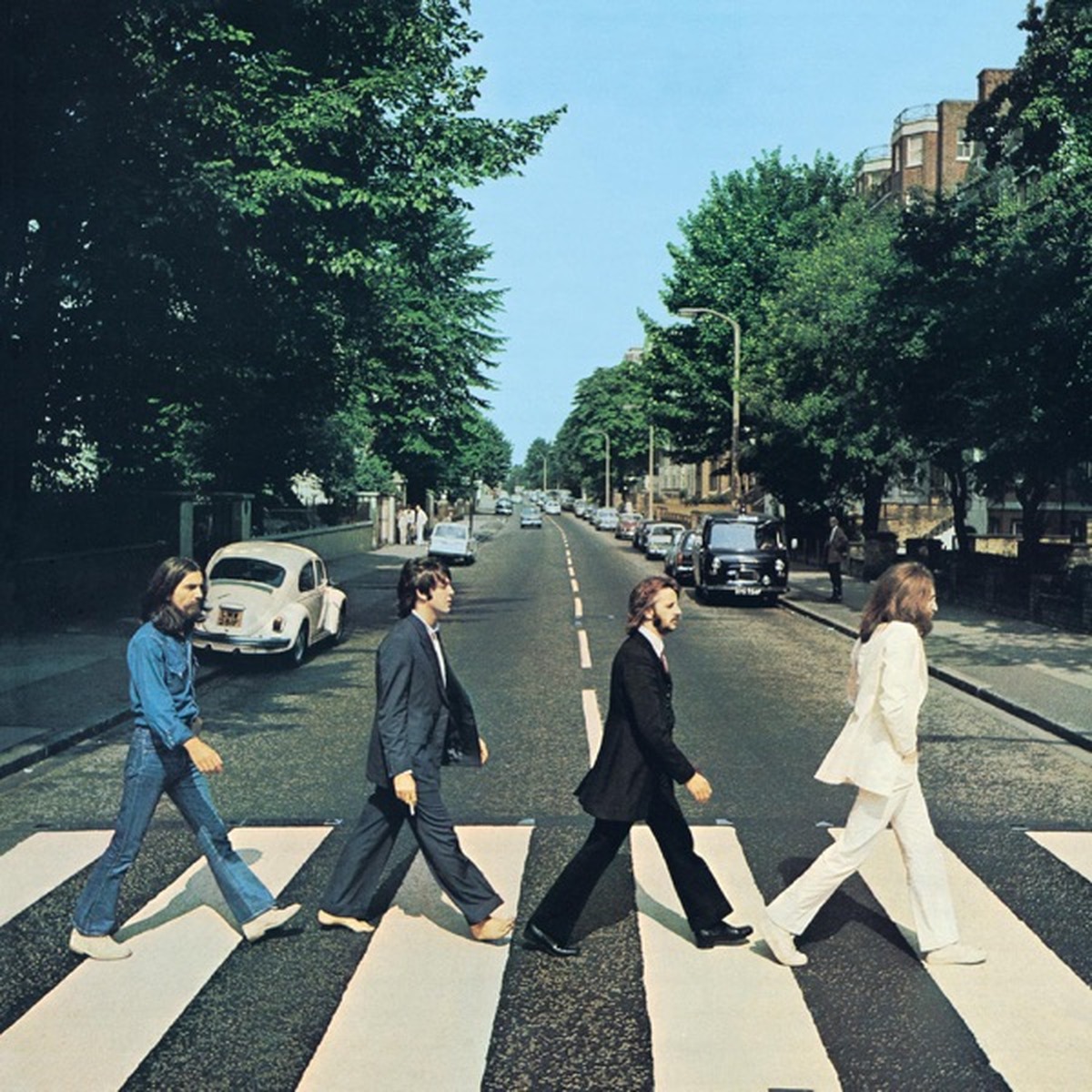
'Abbey Road' (1969), the penultimate album before their disbandment, included classics such as 'Come Together', 'Here Comes the Sun', and the iconic side-two medley composed of several short songs. Their final studio album, 'Let It Be' (1970), was released after their break-up, reflecting their attempt to return to a more straightforward rock sound, though it too became an essential part of their discography.
Legacy and Influence
The Beatles' influence on popular music and culture remains unparalleled and their legacy endures as not just entertainers but as pioneers who reshaped the music industry. They challenged the conventions of the music business, inspiring a vast range of artists and genres, from classic rock, pop, and progressive rock to modern indie and alternative music. Their innovative recording techniques and willingness to experiment in the studio opened new possibilities for artists who followed, sparking a creative revolution in sound recording.
The Beatles' immense popularity helped bridge cultural and generational gaps, bringing different sections of society together through music. The term “Beatlemania” captured the essence of their impact, signifying not just their widespread popularity but the emotional and cultural upheaval they engendered worldwide. Their music, always evolving yet consistently appealing, captivated fans and critics alike, helping to fuel the 1960s counterculture revolution and beyond.
In the broader cultural context, The Beatles influenced fashion, film, art, and politics, extending their impact well beyond music. They played a pivotal role in the British Invasion of the United States, changing the global landscape of pop music and opening doors for numerous other British acts. Their dedication to self-expression and authenticity inspired generations of musicians to engage creatively with social issues, pushing for change through the power of their art.
Decades after their breakup, their music continues to be a cultural touchstone, universally recognized and celebrated. Historians, scholars, and fans often cite them as the most influential band in the history of popular music. The Beatles' catalog still resonates with listeners today, remaining a timeless testament to their incredible journey of artistic experimentation, innovation, and enduring appeal.
Albums by The Beatles

Love
November 20, 2006
Rock, psychedelic rock, progressive rock, mashup, sound collage

Let It Be... Naked
November 17, 2003
Rock, blues

1
November 13, 2000
Rock, pop

Love Songs
October 21, 1977
Pop, folk rock
🛍 Shop Music

The Beatles at the Hollywood Bowl
May 04, 1977
Rock and roll

Let It Be (Beatles album)
May 08, 1970
Rock, blues

Hey Jude (Beatles album)
February 26, 1970
Rock
Abbey Road
September 26, 1969
Rock

Yellow Submarine
January 13, 1969
Psychedelia, film score

The Beatles (album)
November 22, 1968
Rock, pop, folk

Revolver (Beatles album)
August 05, 1966
Rock, pop, psychedelia, rhythm and blues

Rubber Soul
December 03, 1965
Folk rock, rock, pop

Help!
August 06, 1965
Pop rock, folk rock

Beatles VI
June 14, 1965
Rock and roll

Beatles '65
December 15, 1964
Pop

Beatles for Sale
December 04, 1964
Pop rock, folk rock, rock and roll, country

The Beatles' Story
November 23, 1964
Documentary, interview

A Hard Day's Night
July 10, 1964
Rock, pop rock, pop

The Beatles' Second Album
April 10, 1964
Rock and roll, R&B

Meet the Beatles!
January 20, 1964
Rock and roll

Introducing... The Beatles
January 10, 1964
Merseybeat, rock and roll, pop

With the Beatles
November 22, 1963
Merseybeat, rock and roll, pop, R&B

Please Please Me
March 22, 1963
Merseybeat, rock and roll, pop
Musicians / Members connected to The Beatles


FAQ about The Beatles
What genre is The Beatles?
The Beatles is commonly associated with Rock, Pop, Beat, Psychedelic Rock.
Where is The Beatles from?
The Beatles is from Liverpool, England, United Kingdom.
How many albums by The Beatles are listed on musicOnOff?
musicOnOff currently lists 23 albums by The Beatles.
