
Spirit of Eden
by Talk Talk
Released: September 12, 1988
Post-rock, art rock, experimental rock, new wave, ambient
Shop Talk Talk
Amazon affiliate linksWhy This Album Matters
This album matters because its strongest editorial story is: Experimental Album.
The Album
"Spirit of Eden" is the fourth studio album by English band Talk Talk, released in 1988 on Parlophone Records. This approach marked a significant departure from Talk Talk's earlier synthpop style and is often credited with pioneering the post-rock genre. This album marked a shift away from synthesizers towards a more organic sound, featuring extensive improvisation by a total of sixteen musicians.
Inside the Recording
It emerged from a protracted recording process at London's Wessex Studios between 1987 and 1988, involving extensive improvisation and drawing on jazz, ambient, classical, blues, and dub influences. The resulting album, produced by Tim Friese-Greene alongside Hollis, was a major success, selling over two million copies and leading to a major world tour. The album, created by singer Mark Hollis and producer Tim Friese-Greene, was compiled from these lengthy improvisations and heavily edited into its final form.
Interesting Facts
Talk Talk, led by Mark Hollis, was formed…
Talk Talk, led by Mark Hollis, was formed in England in the early 1980s.
Although Hollis was inspired by jazz and impressionist…
Although Hollis was inspired by jazz and impressionist composers like Miles Davis, John Coltrane, Béla Bartók, and Claude Debussy, their first two albums, The Party's Over (1982) and It's My Life (1984), were more aligned with the new wave sound of the time and were often compared to bands like Duran Duran.
The use of synthesizers in these early works…
The use of synthesizers in these early works was partly due to financial constraints, which limited their ability to use acoustic instruments.
The minimalist tracks like "April 5th," "Chameleon Day,"…
The minimalist tracks like "April 5th," "Chameleon Day," and the B-side "It's Getting Late in the Evening" hinted at the band's evolving sound, which would culminate in their groundbreaking album, Spirit of Eden.
Essential Tracks
Eden
"Spirit of Eden" is the fourth studio album by English band Talk Talk, released in 1988 on Parlophone Records.
Explore the Album
Talk Talk - Spirit of Eden
Open in Albums Gallery
Reception
While Spirit of Eden was commercially disappointing compared to the success of their 1986 album The Colour of Spring, its reputation improved over time. Despite critical reception, these early albums were commercially successful in Europe, providing the band with the resources to hire additional musicians for their third album, The Colour of Spring (1986).
Legacy
It has since been regarded as an underrated masterpiece, and in 2013, NME included it in their list of the "500 Greatest Albums of All Time" at number 95.
The Complete Album Story
"Spirit of Eden" is the fourth studio album by English band Talk Talk, released in 1988 on Parlophone Records. It emerged from a protracted recording process at London's Wessex Studios between 1987 and 1988, involving extensive improvisation and drawing on jazz, ambient, classical, blues, and dub influences. The album, created by singer Mark Hollis and producer Tim Friese-Greene, was compiled from these lengthy improvisations and heavily edited into its final form. This approach marked a significant departure from Talk Talk's earlier synthpop style and is often credited with pioneering the post-rock genre.
While Spirit of Eden was commercially disappointing compared to the success of their 1986 album The Colour of Spring, its reputation improved over time. It has since been regarded as an underrated masterpiece, and in 2013, NME included it in their list of the "500 Greatest Albums of All Time" at number 95.
Talk Talk, led by Mark Hollis, was formed in England in the early 1980s. Although Hollis was inspired by jazz and impressionist composers like Miles Davis, John Coltrane, Béla Bartók, and Claude Debussy, their first two albums, The Party's Over (1982) and It's My Life (1984), were more aligned with the new wave sound of the time and were often compared to bands like Duran Duran. The use of synthesizers in these early works was partly due to financial constraints, which limited their ability to use acoustic instruments.
Despite critical reception, these early albums were commercially successful in Europe, providing the band with the resources to hire additional musicians for their third album, The Colour of Spring (1986). This album marked a shift away from synthesizers towards a more organic sound, featuring extensive improvisation by a total of sixteen musicians. The resulting album, produced by Tim Friese-Greene alongside Hollis, was a major success, selling over two million copies and leading to a major world tour. The minimalist tracks like "April 5th," "Chameleon Day," and the B-side "It's Getting Late in the Evening" hinted at the band's evolving sound, which would culminate in their groundbreaking album, Spirit of Eden.
More Post-rock Albums
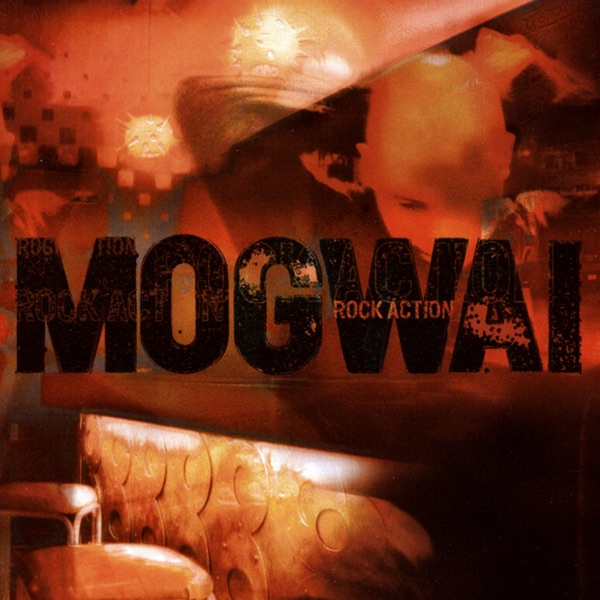 Mogwai - Rock Action (album)
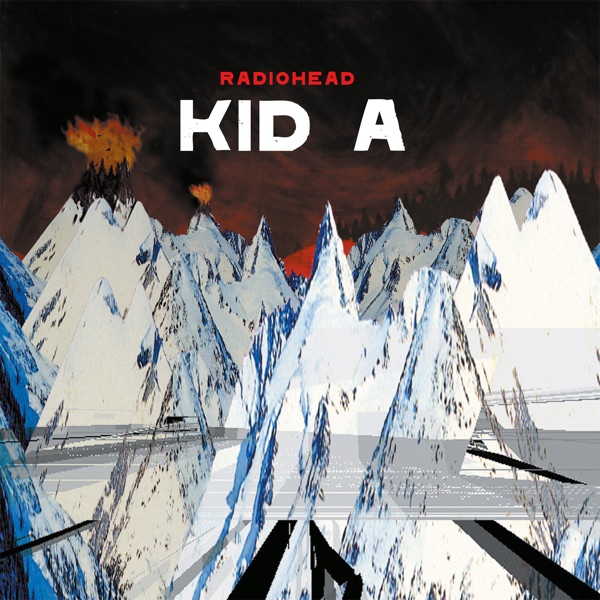 Radiohead - Kid A
 Low - Hey What
 Radiohead - Kid A Mnesia
 Mogwai - Hardcore Will Never Die, but You Will
 Coldplay - A Rush of Blood to the Head
 The Church - Hologram of Baal
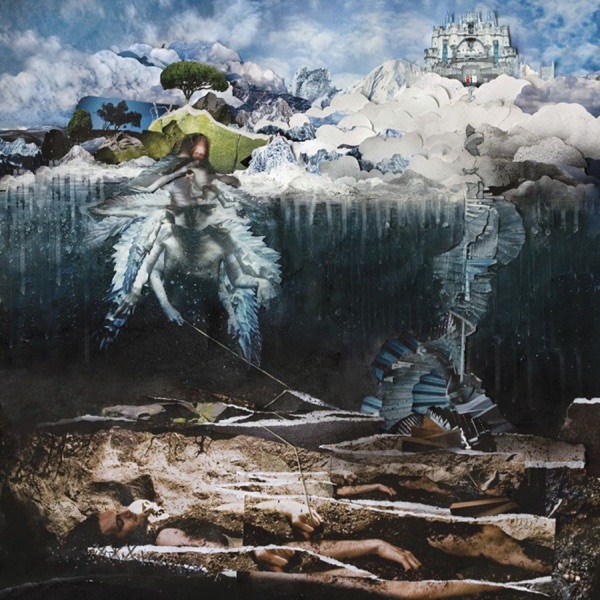 John Frusciante - The Empyrean
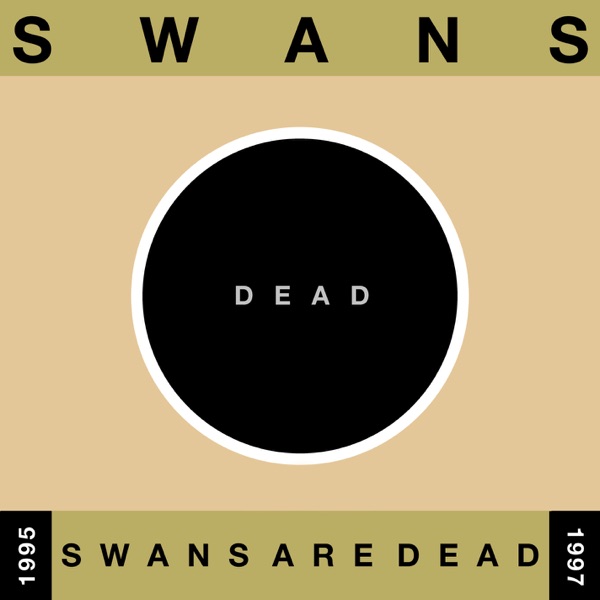 Swans - Swans Are Dead
 Swans - The Seer (Swans album)
 Elbow - Cast of Thousands

Join the Conversation
Share your thoughts about this album.
Please log in to add a comment.
No comments yet. Be the first to comment.