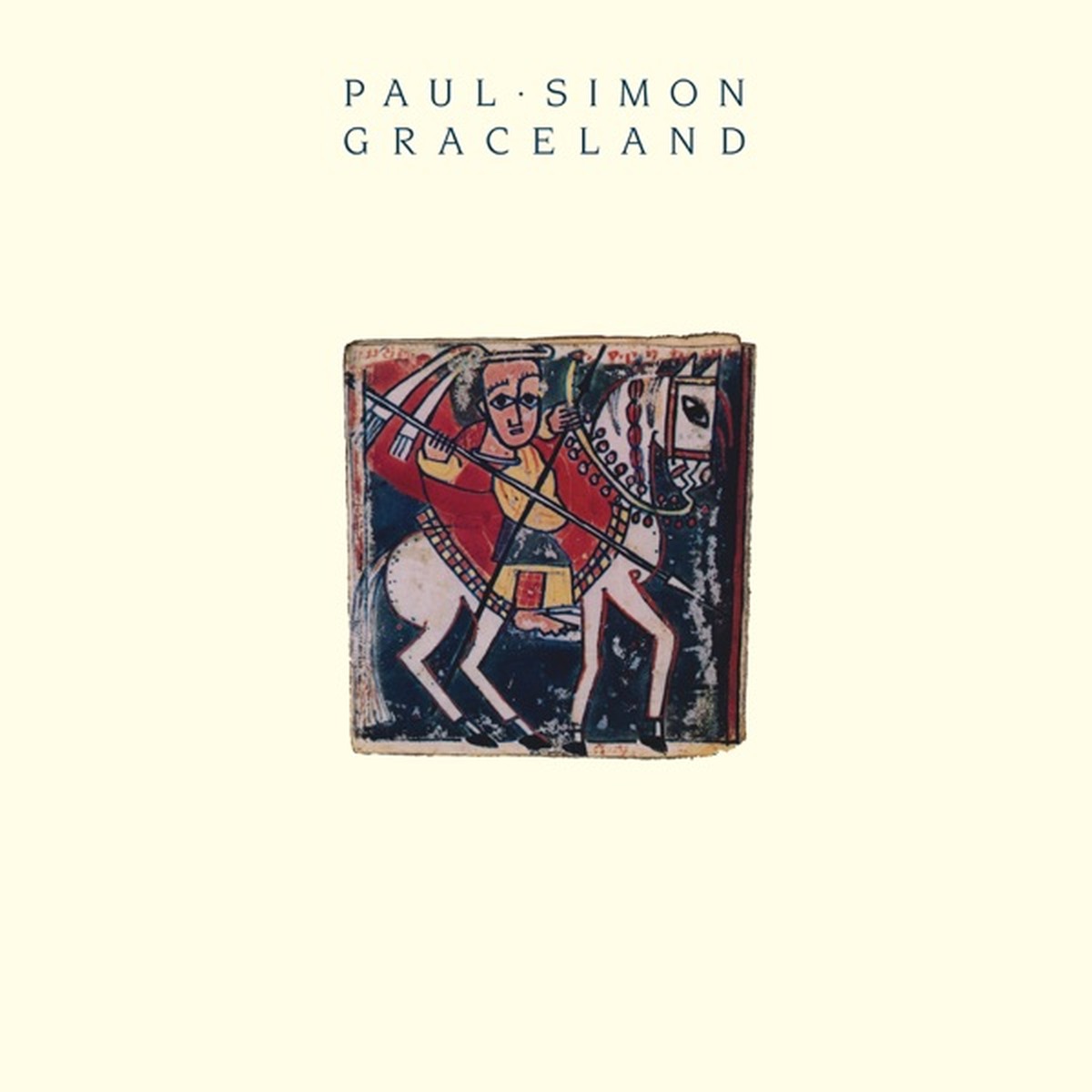
Graceland (album)
by Paul Simon
Released: August 25, 1986
Worldbeat, pop, rock, folk, afropop
Shop Paul Simon
Amazon affiliate linksWhy This Album Matters
The central hook is verified by primary, first-hand testimony and independent corroboration. In a 2012 For Bass Players Only interview, Kumalo said Roy Halee recognized his slapped fill and created the backward-tape effect. ([forbassplayersonly.com](https://forbassplayersonly.com/interview-bakithi-kumalo/)) A 2016 Bass Player interview/profile specifies that Kumalo played one bar and that Halee flipped the tape and spliced its reverse as the second measure. ([eltonsounds.com](https://eltonsounds.com/wp-content/uploads/2017/09/bakithi_story.pdf)) Guitar World independently corroborates the one-take performance, tape reversal and splice using direct recollections from Kumalo and Simon. ([guitarworld.com](https://www.guitarworld.com/features/bakithi-kumalo-bass-break-on-graceland)) American Songwriter also confirms that the first half was reversed to form the second half. ([americansongwriter.com](https://americansongwriter.com/you-can-call-me-al-paul-simon-behind-the-song/)) Sources differ over who initially suggested using the birthday break, so the story attributes that detail specifically to Kumalo’s recollection and avoids stating an exact session date.
The Album
"Graceland" is the seventh solo studio album by American singer-songwriter Paul Simon, released on August 25, 1986, by Warner Bros. Simon defended his actions by arguing that Graceland was a political statement promoting collaboration between black and white artists and raising awareness of apartheid. In 1984, after struggling with depression, Simon became intrigued by a bootleg cassette of mbaqanga, a South African street music genre.
Inside the Recording
The album, which Simon produced and Roy Halee engineered, blends various genres including pop, rock, a cappella, zydeco, and South African music styles like isicathamiya and mbaqanga.
Interesting Facts
Graceland became Simon's most successful album in over…
Graceland became Simon's most successful album in over a decade, selling an estimated 16 million copies worldwide.
He and Halee spent two weeks in Johannesburg…
He and Halee spent two weeks in Johannesburg recording with local musicians, and additional recordings took place in the US with artists including Linda Ronstadt, the Everly Brothers, Rockin' Dopsie and the Twisters, and Los Lobos.
Simon also toured with South African musicians, performing…
Simon also toured with South African musicians, performing both their music and songs from Graceland.
While some hailed Simon for introducing African music…
While some hailed Simon for introducing African music to Western audiences, others accused him of cultural appropriation.
In 2006, it was added to the US…
In 2006, it was added to the US National Recording Registry for its cultural, historical, and aesthetic significance.
Essential Tracks
Graceland
"Graceland" is the seventh solo studio album by American singer-songwriter Paul Simon, released on August 25, 1986, by Warner Bros.
Explore the Album
Paul Simon - Graceland (album)
Open in Albums Gallery
Reception
In the early 1980s, Simon faced personal and professional challenges: his relationship with Art Garfunkel had soured, his marriage to actress Carrie Fisher had ended, and his previous album, Hearts and Bones (1983), had not performed well commercially. It was highly acclaimed, won the 1987 Grammy Award for Album of the Year, and is often listed among the greatest albums of all time. The album faced criticism from groups like Artists United Against Apartheid for breaking the cultural boycott of South Africa, which was in place due to its apartheid policies.
The Complete Album Story
"Graceland" is the seventh solo studio album by American singer-songwriter Paul Simon, released on August 25, 1986, by Warner Bros. Records. The album, which Simon produced and Roy Halee engineered, blends various genres including pop, rock, a cappella, zydeco, and South African music styles like isicathamiya and mbaqanga.
In the early 1980s, Simon faced personal and professional challenges: his relationship with Art Garfunkel had soured, his marriage to actress Carrie Fisher had ended, and his previous album, Hearts and Bones (1983), had not performed well commercially. In 1984, after struggling with depression, Simon became intrigued by a bootleg cassette of mbaqanga, a South African street music genre. He and Halee spent two weeks in Johannesburg recording with local musicians, and additional recordings took place in the US with artists including Linda Ronstadt, the Everly Brothers, Rockin' Dopsie and the Twisters, and Los Lobos. Simon also toured with South African musicians, performing both their music and songs from Graceland.
The album faced criticism from groups like Artists United Against Apartheid for breaking the cultural boycott of South Africa, which was in place due to its apartheid policies. Simon defended his actions by arguing that Graceland was a political statement promoting collaboration between black and white artists and raising awareness of apartheid. While some hailed Simon for introducing African music to Western audiences, others accused him of cultural appropriation.
Graceland became Simon's most successful album in over a decade, selling an estimated 16 million copies worldwide. It was highly acclaimed, won the 1987 Grammy Award for Album of the Year, and is often listed among the greatest albums of all time. In 2006, it was added to the US National Recording Registry for its cultural, historical, and aesthetic significance.
More Worldbeat Albums
 Brian Eno - My Life in the Bush of Ghosts
 Enigma - The Cross of Changes
 David Byrne - Rei Momo
 Robert Plant - Lullaby and the Ceaseless Roar
 Enigma - MCMXC a.D.
 Peter Gabriel - Passion (Peter Gabriel album)
 Dead Can Dance - Spiritchaser
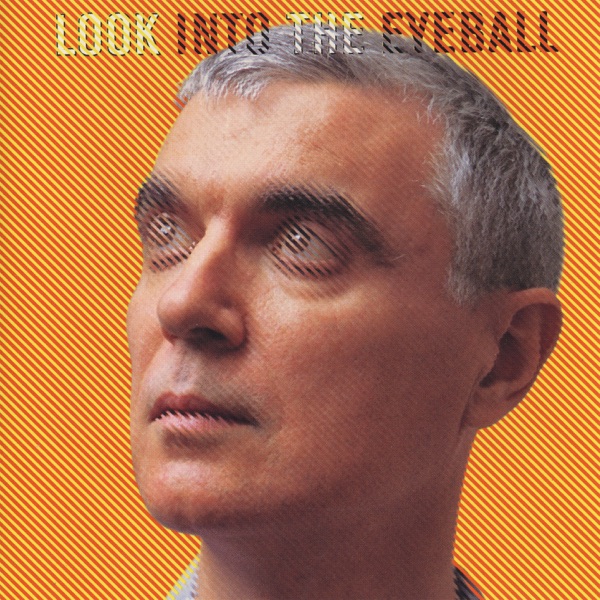 David Byrne - Look into the Eyeball
 Dead Can Dance - Anastasis
 Dead Can Dance - Dionysus

Join the Conversation
Share your thoughts about this album.
Please log in to add a comment.
No comments yet. Be the first to comment.