Paul Simon
Overview
Paul Simon is a renowned American singer-songwriter and musician, famous for his work both as part of the duo Simon & Garfunkel and as a solo artist. Known for his poetic lyrics and innovative approach to music, Simon has made a significant impact on the music industry over several decades. Born on October 13, 1941, in Newark, New Jersey, Simon began his music career alongside Art Garfunkel. He gained fame in the 1960s as part of Simon & Garfunkel, before embarking on a successful solo career in the 1970s. His contributions to music have earned him numerous awards, including multiple Grammy Awards and induction into the Rock and Roll Hall of Fame.
Throughout his career, Paul Simon has been lauded for his ability to blend different genres, incorporating elements of rock, folk, and world music into his work. His lyrical prowess has also been a central component of his enduring appeal, with many of his songs addressing themes of love, introspection, and social commentary. Simon's music has resonated with audiences worldwide, making him one of the most enduring figures in popular music. He continues to influence musicians and songwriters with his innovative sound and thoughtful lyrics.
Formation and Early Years
Paul Simon met Art Garfunkel in elementary school, and they began singing together under the name 'Tom & Jerry' in the late 1950s. They recorded their first single, 'Hey Schoolgirl,' which achieved moderate success and marked the beginning of their collaborative partnership. Simon and Garfunkel eventually adopted their real names as their professional moniker and began to build a following as a folk-rock duo.
In the early 1960s, the duo released their debut album, 'Wednesday Morning, 3 A.M.,' which initially did not achieve commercial success. However, after the track 'The Sound of Silence' gained popularity, the album was re-released and became a commercial hit, catapulting Simon & Garfunkel to fame. The duo became known for their harmonious vocals and poetic songwriting, quickly becoming one of the most popular acts of the era. Simon's role as the principal songwriter was pivotal, and his ability to weave intricate stories and emotions into his lyrics set the foundation for his future success.
Paul Simon's early years were marked by his passion for music and a desire to explore new sounds and styles. His partnership with Garfunkel was characterized by a blend of their distinctive vocal harmonies and Simon’s lyrical depth, leading to several iconic albums and tracks that defined a generation.
Career Highlights
After achieving great success with Simon & Garfunkel, culminating in the release of the iconic 'Bridge over Troubled Water' album, Paul Simon embarked on a solo career. His self-titled debut solo album in 1972 was a critical and commercial success, showcasing his diverse musical influences and songwriting talent. This was followed by 'There Goes Rhymin' Simon,' which further solidified his place as a solo artist.
One of Simon's most significant achievements was the release of the album 'Graceland' in 1986. The album, which incorporated South African musical styles and featured collaborations with local artists, received widespread acclaim and helped bring world music to a broader audience. 'Graceland' won the Grammy Award for Album of the Year and is considered one of the most influential albums of its time.
Throughout his career, Simon continued to release albums that explored various musical styles and themes. His ability to reinvent himself and stay relevant over the decades demonstrates his artistic versatility and enduring appeal. Simon's career highlights include numerous accolades, world tours, and collaborations with artists from various genres, underscoring his status as a musical icon.
Musical Style
Paul Simon's musical style is characterized by its diversity and innovation. Throughout his career, Simon has seamlessly blended elements from various musical genres, including folk, rock, pop, and world music. His interest in exploring diverse sounds has led to collaborations with musicians from around the globe, resulting in music that transcends cultural and genre boundaries.
Simon is known for his intricate and thoughtful lyrics, which often address complex themes with emotional depth and poetic nuance. His storytelling ability and unique perspective have made his songs resonate with listeners across generations. Simon's music often reflects his personal experiences and observations of the world, making his work both intimate and universal.
Incorporating a wide range of instruments and styles, Simon's music effortlessly marries different cultural influences. His adventurous approach to music has kept his sound fresh and relevant, allowing him to maintain a strong presence in the industry for decades. By continuously pushing the boundaries of what is possible in popular music, Simon has influenced countless artists and left a lasting mark on the musical landscape.
Most Important Albums
One of Paul Simon's most significant albums is 'Graceland,' released in 1986. The album is lauded for its innovative fusion of pop and traditional South African music, featuring collaborations with South African artists such as Ladysmith Black Mambazo. 'Graceland' not only achieved commercial success but also played a crucial role in raising awareness of apartheid issues in South Africa. The album's unique sound and social impact make it a pivotal work in Simon's career.
'Bridge over Troubled Water,' recorded with Art Garfunkel, remains one of Simon's most celebrated works. Released in 1970, the album features some of the duo's most iconic songs, including the title track, 'The Boxer,' and 'Cecilia.' The album showcases Simon's exceptional songwriting abilities and the harmonious interplay between his and Garfunkel's voices.
Simon’s self-titled album, 'Paul Simon,' released in 1972, marked his successful transition from a duo to a solo artist. The album produced hits like 'Mother and Child Reunion' and 'Me and Julio Down by the Schoolyard,' emphasizing his ability to craft engaging and impactful music. Another notable album is 'There Goes Rhymin' Simon,' which further highlighted his versatility and lyrical prowess with tracks like 'Kodachrome' and 'Loves Me Like a Rock.'
Legacy and Influence
Paul Simon's legacy in the music industry is profound and far-reaching. As both a member of Simon & Garfunkel and a solo artist, Simon has created a body of work that has influenced countless musicians and songwriters. His innovative approach to songwriting, characterized by its poetic depth and diverse musical influences, set a standard for artistic expression that continues to inspire new generations of artists.
Simon’s ability to blend genres and incorporate global sounds into his music has broadened the scope of popular music and opened doors for world music to enter the mainstream. His album 'Graceland' is particularly noted for its cultural impact and its role in introducing Western audiences to African music. By challenging conventional music boundaries, Simon paved the way for future artists to experiment and explore new territories within their craft.
Beyond his musical contributions, Simon's philanthropic efforts and advocacy for social issues have further cemented his legacy. He has participated in various charitable projects and used his platform to raise awareness for causes such as human rights and music education. Simon's enduring relevance and continued influence over the decades underscore his position as one of the most significant figures in the history of popular music.
Albums by Paul Simon

Seven Psalms
May 19, 2023
Acoustic

Stranger to Stranger
June 03, 2016
Pop, experimental

The Ultimate Collection (Paul Simon album)
April 12, 2015
Pop, rock, folk

The Essential Paul Simon
June 26, 2007
Rock, pop

Surprise (Paul Simon album)
May 09, 2006
Soft rock

Paul Simon's Concert in the Park
November 05, 1991
Pop rock, folk rock, worldbeat
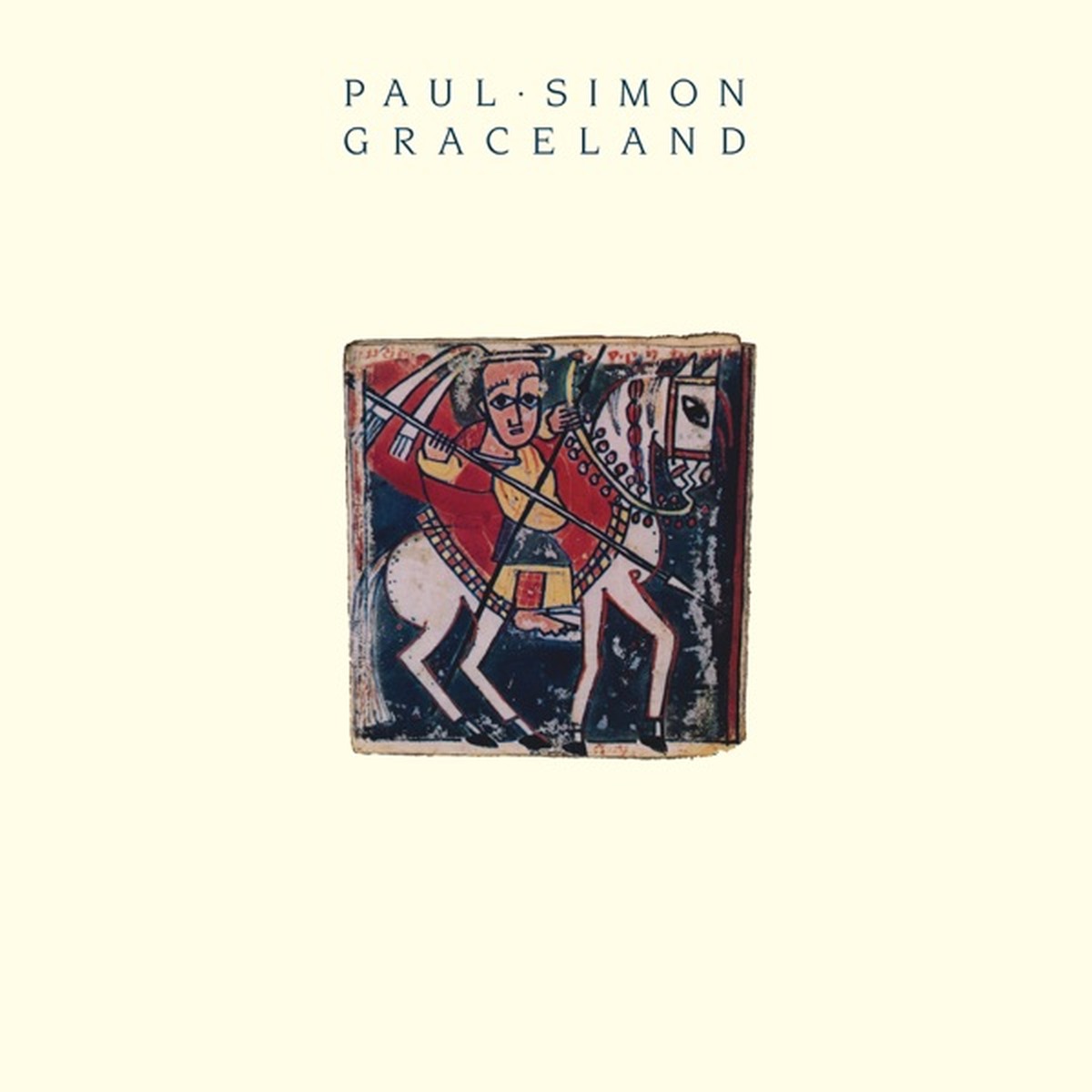
Graceland (album)
August 25, 1986
Worldbeat, pop, rock, folk, afropop

Hearts and Bones
November 04, 1983
Pop, rock

One-Trick Pony
August 12, 1980
Rock

Still Crazy After All These Years
October 17, 1975
Jazz pop

Paul Simon in Concert: Live Rhymin'
March 13, 1974
Rock

There Goes Rhymin' Simon
May 05, 1973
Pop rock

Paul Simon (album)
January 24, 1972
Folk rock, pop

The Paul Simon Songbook
August 02, 1965
Folk
Musicians / Members connected to Paul Simon


FAQ about Paul Simon
What genre is Paul Simon?
Paul Simon is commonly associated with Folk, Rock, Pop, World Music.
Where is Paul Simon from?
Paul Simon is from Newark, New Jersey, United States.
How many albums by Paul Simon are listed on musicOnOff?
musicOnOff currently lists 14 albums by Paul Simon.
