
The Rise & Fall
by Madness
Released: November 05, 1982
Pop, new wave, 2 tone
Shop Madness
Amazon affiliate linksWhy This Album Matters
This album matters because its strongest editorial story is: Chart Success.
The Album
"The Rise & Fall" is the fourth studio album by the English ska band Madness, released on November 5, 1982, by Stiff Records. In a notable shift, the band ventured into political commentary with the track "Blue Skinned Beast," a satire targeting then-UK Prime Minister Margaret Thatcher and her handling of the Falklands War. This album marked a period of experimentation for Madness, showcasing a diverse range of musical styles including jazz, English music hall, and Eastern influences.
Interesting Facts
At the time of its release, NME hailed…
At the time of its release, NME hailed it as "the best Madness record," and it has since been viewed as a concept album.
Although the album was never released in the…
Although the album was never released in the US, several tracks, including "Our House," the band's only top 10 hit in America, were later included in the compilation Madness (1983).
Initially, The Rise & Fall was conceived as…
Initially, The Rise & Fall was conceived as a concept album centered around nostalgia for childhood.
While the overall concept was ultimately abandoned, elements…
While the overall concept was ultimately abandoned, elements of it remain, particularly in the title track and "Our House." In a recent interview, lead vocalist Suggs mentioned that all band members were encouraged to write about their childhood memories for the album, although keyboardist Mike Barson humorously misunderstood the theme and wrote about New Delhi instead.
This laid the groundwork for more political themes…
This laid the groundwork for more political themes in their subsequent albums.
Essential Tracks
Blue Skinned Beast
In a notable shift, the band ventured into political commentary with the track "Blue Skinned Beast," a satire targeting then-UK Prime Minister Margaret Thatcher and her handling of the Falklands War.
Primrose Hill
The album cover features a photo taken just west of Camden Town at Primrose Hill, looking southeast toward central London with the BT Tower visible on the horizon.
New Delhi
While the overall concept was ultimately abandoned, elements of it remain, particularly in the title track and "Our House." In a recent interview, lead vocalist Suggs mentioned that all band members were encouraged to write about their childhood memories for the album, although keyboardist Mike Barson humorously misunderstood the theme and wrote about New Delhi instead.
Explore the Album
Madness - The Rise & Fall
Open in Albums Gallery
The Complete Album Story
"The Rise & Fall" is the fourth studio album by the English ska band Madness, released on November 5, 1982, by Stiff Records. This album marked a period of experimentation for Madness, showcasing a diverse range of musical styles including jazz, English music hall, and Eastern influences. At the time of its release, NME hailed it as "the best Madness record," and it has since been viewed as a concept album.
Although the album was never released in the US, several tracks, including "Our House," the band's only top 10 hit in America, were later included in the compilation Madness (1983).
Initially, The Rise & Fall was conceived as a concept album centered around nostalgia for childhood. While the overall concept was ultimately abandoned, elements of it remain, particularly in the title track and "Our House." In a recent interview, lead vocalist Suggs mentioned that all band members were encouraged to write about their childhood memories for the album, although keyboardist Mike Barson humorously misunderstood the theme and wrote about New Delhi instead.
In a notable shift, the band ventured into political commentary with the track "Blue Skinned Beast," a satire targeting then-UK Prime Minister Margaret Thatcher and her handling of the Falklands War. This laid the groundwork for more political themes in their subsequent albums.
The album cover features a photo taken just west of Camden Town at Primrose Hill, looking southeast toward central London with the BT Tower visible on the horizon.
More Pop Albums
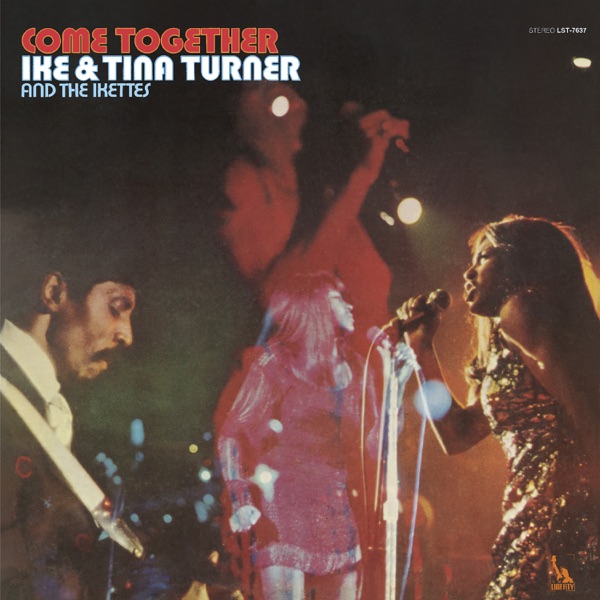 Ike & Tina Turner - Come Together
 Sweet - Level Headed
 The Kinks - The Kink Kontroversy
 Robbie Williams - Greatest Hits
 Bob Geldof - The Vegetarians of Love
 Ultravox - Extended Ultravox
 The Chills - Scatterbrain
 The Replacements - Tim
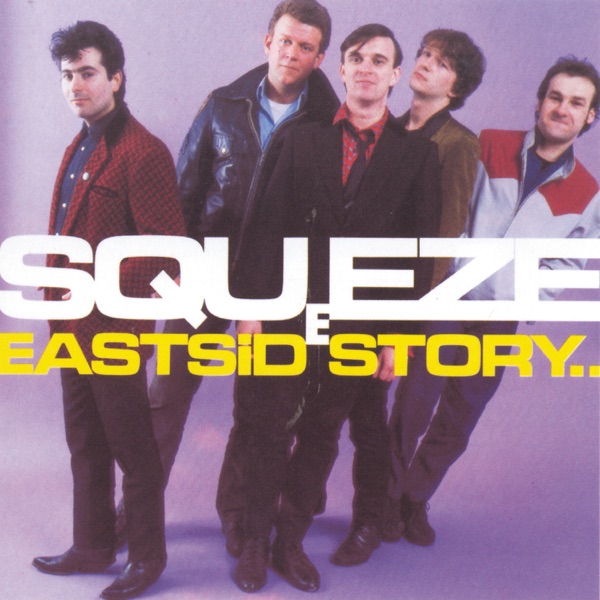 Squeeze - East Side Story
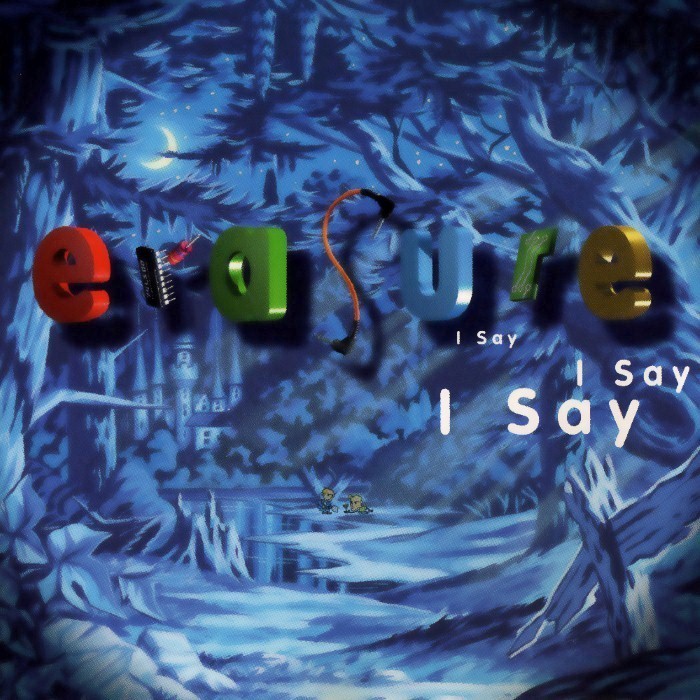 Erasure - I Say I Say I Say
 ABC - Alphabet City
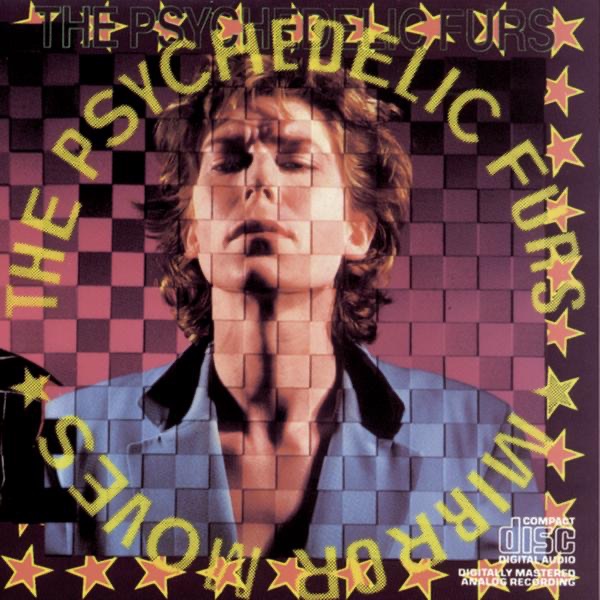 Psychedelic Furs - Mirror Moves

Join the Conversation
Share your thoughts about this album.
Please log in to add a comment.
No comments yet. Be the first to comment.