Madness
Overview
Madness is a British band that emerged from the late 1970s and early 1980s, known for their distinctive sound that successfully fused elements of ska, pop, and new wave. The band quickly became known for their lively music, catchy hooks, and comical-themed lyrics. Their sound was characterized by upbeat rhythms and the prominent use of a horn section, which lent itself well to their ska influences. Madness was a crucial player in the British two-tone ska revival, a genre with roots in Jamaican ska fused with punk rock energy. They gained a large following both in the UK and internationally, becoming one of the most successful British bands of the decade. The band maintained popularity through the 1980s, producing numerous hit singles and albums that resonated with a wide audience. Their unique visual style and charismatic performances made them frequent visitors on music television shows, further cementing their place in pop culture.
Formation and Early Years
Madness originally formed in 1976 in Camden Town, London. The band was initially known as The North London Invaders before they changed their name. The formation of Madness was inspired by the members' shared love for ska and reggae music, which was heavily influencing the UK music scene at the time. The core members included Mike Barson, Chris Foreman, and Lee Thompson. The group began playing ska covers and eventually started composing original material that drew from their urban experiences in London. Their early gigs combined energetic performances with a sense of humor, quickly drawing attention and growing a loyal fan base. The band released their debut single, 'The Prince', which paid homage to Jamaican ska musician Prince Buster, whose work had been highly influential on the band. The single's success led to a recording contract with 2 Tone Records, a label that was pivotal to the ska revival in Britain.
Career Highlights
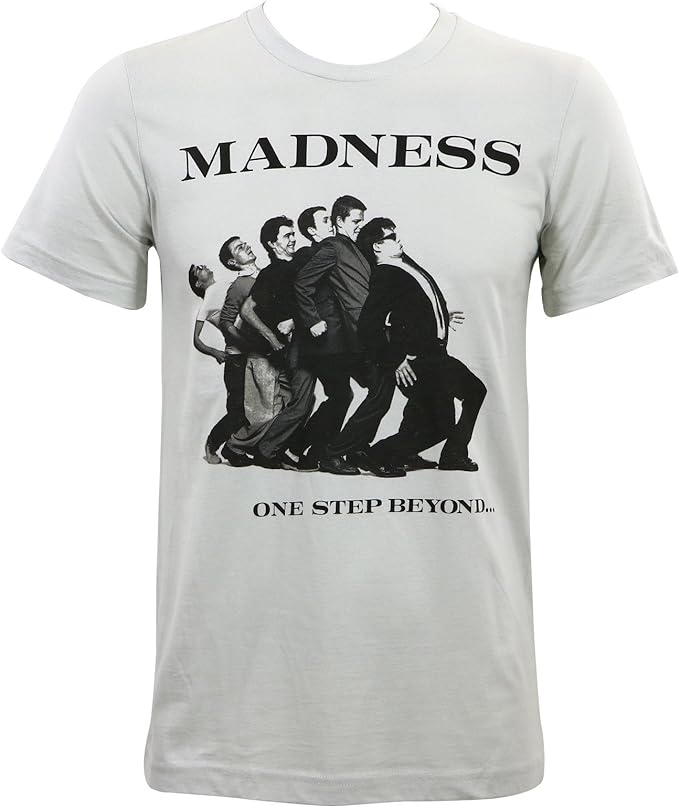
Madness achieved significant commercial success following the release of their debut album, 'One Step Beyond...', which contained hit tracks like 'My Girl' and the title track 'One Step Beyond'. This album showcased their high-energy music that was both danceable and lyrically clever. Subsequently, their sophomore album, 'Absolutely', furthered their status with hits like 'Baggy Trousers' and 'Embarrassment'. The commercial success was complemented by their creative music videos that became staples on music television programs. Over the years, they released several critically and commercially successful albums, including '7', 'The Rise & Fall', and 'Keep Moving'. During the band's peak in the early to mid-1980s, Madness released countless hit singles, many of which entered the UK Singles Chart. They enjoyed a remarkable string of singles like 'House of Fun' and 'It Must Be Love', which remain classics in the British pop music canon.
Musical Style
Madness's musical style is primarily known for its blend of ska, pop, and new wave sounds. Their music is characterized by bouncy and infectious rhythms that are heavily influenced by the early ska and reggae sounds of Jamaica. The incorporation of traditional pop structures with ska rhythms made their songs particularly catchy and led to widespread radio play. A hallmark of their music is the prominent use of horns, which give their tunes a lively and vibrant sound that quickly became their trademark alongside their witty and often humorous lyrics. Their ability to blend humor with insight in their lyrics helped them create songs that resonated with a wide audience, often exploring themes such as everyday life, working-class struggles, and love. Madness also managed to infuse theatricality into their performances, bringing a unique and memorable presence to the stage and screen.
Most Important Albums
One of Madness's most significant albums is 'One Step Beyond...', released in 1979. This album is considered a landmark in their career and the ska revival movement, featuring tracks that became synonymous with their sound and style. 'Absolutely', released in 1980, is another pivotal album, showcasing a further evolution in their music with tracks that featured more intricate arrangements and mature themes. '7', released in 1981, continued this trend, delivering hits that were both commercially successful and critically acclaimed. 'The Rise & Fall', which came out in 1982, is often praised for its ambitious and varied sound. The album takes a slightly more introspective and experimental approach, incorporating broader musical elements while retaining their unique essence. 'The Liberty of Norton Folgate', released in 2009, marks a significant contemporary success for the band, being a concept album that portrays a nostalgic view of London's historic and multicultural nature.
Legacy and Influence
The legacy of Madness is solidified by their role in bringing ska music to a broader audience, particularly in the UK where they became one of the most influential bands during the ska revival era. Their success in the music charts and the compelling and relatable nature of their lyrics contributed significantly to their lasting impact. Madness not only enjoyed commercial success but also became cultural icons in Britain and beyond. Their music continues to be celebrated for its enduring ability to convey truths about life with humor and heart. Many bands that followed have cited Madness as a significant influence, drawn to their genre-blending sounds and spirited performances. The band's ability to maintain relevance through decades, including successful comebacks and continued album releases, is a testament to their ongoing influence in the music industry. Madness's impact is such that their songs remain popular anthems at parties and events around the world, continuing to inspire new generations of musicians and fans alike.
Albums by Madness

Wonderful
November 01, 1999
Ska, pop

Madstock!
November 02, 1992
Ska, 2 tone, pop

Divine Madness
February 24, 1992
Ska, pop

The Madness (The Madness album)
April 25, 1988
Ska, pop rock, reggae
🛍 Shop Music

Keep Moving
February 20, 1984
Ska, sophisti-pop, reggae, blue-eyed soul

Madness (Madness album)
December 25, 1983
Ska, pop, 2-Tone, new wave

The Rise & Fall
November 05, 1982
Pop, new wave, 2 tone

Complete Madness
April 23, 1982
Ska, Pop, 2-Tone

7
October 02, 1981
2 Tone, ska, pop, reggae

Absolutely
September 26, 1980
Ska, pop, 2 Tone

One Step Beyond...
October 19, 1979
2 tone, ska, rocksteady, new wave, R&B
Musicians / Members connected to Madness
Members
Graham 'Suggs' McPherson
Mike 'Barzo' Barson
Chris 'Chrissy Boy' Foreman
Cathal 'Chas Smash' Smyth
Lee 'Kix' Thompson
Mark 'Bedders' Bedford
Daniel 'Woody' Woodgate
Past Members
John Hasler
Dikron Tulane
Garry Dovey
FAQ about Madness
What genre is Madness?
Madness is commonly associated with Ska, Pop, New wave.
Where is Madness from?
Madness is from Camden Town, London, England.
How many albums by Madness are listed on musicOnOff?
musicOnOff currently lists 11 albums by Madness.