
Love and Theft
by Bob Dylan
Released: September 11, 2001
Roots rock, Americana, blues, country, jazz
Shop Bob Dylan
Amazon affiliate linksWhy This Album Matters
This album matters because its strongest editorial story is: Improvisation.
The Album
"Love and Theft" is Bob Dylan's thirty-first studio album, released on September 11, 2001, by Columbia Records. "Love and Theft" was Bob Dylan's first album recorded with his Never Ending Tour road band, a collaboration that continued through his subsequent eight studio albums. The band recorded the album in just 12 days in May 2001 at Clinton Recording in New York, with a spontaneous approach that saw Dylan frequently changing arrangements to fit the song's feel.
Inside the Recording
A limited edition of the album included two bonus tracks recorded in the early 1960s. Drummer David Kemper described the recording sessions for "Love and Theft" as a learning experience. Engineer Chris Shaw, who had previously worked on Public Enemy's records, was praised by Dylan for his ability to capture his vocals effectively.
Interesting Facts
The album features backing from Dylan's touring band…
The album features backing from Dylan's touring band, with keyboardist Augie Meyers joining for the sessions.
On September 16, 2003, "Love and Theft" was…
On September 16, 2003, "Love and Theft" was remixed into 5.1 surround sound and reissued as part of a series of 15 Dylan titles remastered for SACD playback.
Guitarist Larry Campbell noted that the song “Po'…
Guitarist Larry Campbell noted that the song “Po' Boy” showcased sophisticated chord changes, blending jazz elements with folk sensibilities, offering an early glimpse into the album's unique material.
He realized the album's sound was influenced by…
He realized the album's sound was influenced by early Americana and styles from the early 20th century.
Dylan’s deep knowledge of American music and his…
Dylan’s deep knowledge of American music and his ability to introduce the band to obscure songs and styles were key to the album's creation.
Essential Tracks
Po' Boy
Guitarist Larry Campbell noted that the song “Po' Boy” showcased sophisticated chord changes, blending jazz elements with folk sensibilities, offering an early glimpse into the album's unique material.
Explore the Album
Bob Dylan - Love and Theft
Open in Albums Gallery
Reception
It reached No. 5 on the Billboard 200 and was certified Gold by the RIAA.
The Complete Album Story
"Love and Theft" is Bob Dylan's thirty-first studio album, released on September 11, 2001, by Columbia Records. The album features backing from Dylan's touring band, with keyboardist Augie Meyers joining for the sessions. It reached No. 5 on the Billboard 200 and was certified Gold by the RIAA. A limited edition of the album included two bonus tracks recorded in the early 1960s. On September 16, 2003, "Love and Theft" was remixed into 5.1 surround sound and reissued as part of a series of 15 Dylan titles remastered for SACD playback.
"Love and Theft" was Bob Dylan's first album recorded with his Never Ending Tour road band, a collaboration that continued through his subsequent eight studio albums. Guitarist Larry Campbell noted that the song “Po' Boy” showcased sophisticated chord changes, blending jazz elements with folk sensibilities, offering an early glimpse into the album's unique material.
Drummer David Kemper described the recording sessions for "Love and Theft" as a learning experience. He realized the album's sound was influenced by early Americana and styles from the early 20th century. Dylan’s deep knowledge of American music and his ability to introduce the band to obscure songs and styles were key to the album's creation. The band recorded the album in just 12 days in May 2001 at Clinton Recording in New York, with a spontaneous approach that saw Dylan frequently changing arrangements to fit the song's feel.
Engineer Chris Shaw, who had previously worked on Public Enemy's records, was praised by Dylan for his ability to capture his vocals effectively. Dylan appreciated Shaw's skill in adapting to the needs of each song. Shaw was later involved in recording and mixing Dylan's albums "Modern Times" (2006) and "Rough and Rowdy Ways" (2020), as well as other non-album tracks.
More Roots rock Albums
 Grateful Dead - From the Mars Hotel
 Little Feat - Little Feat
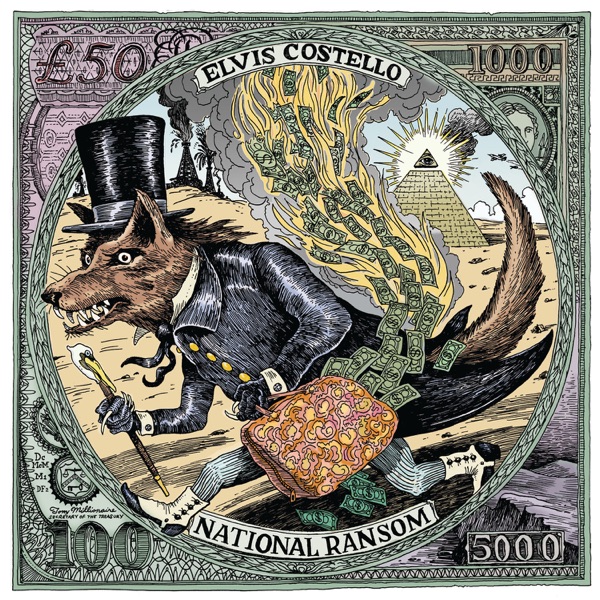 Elvis Costello - National Ransom
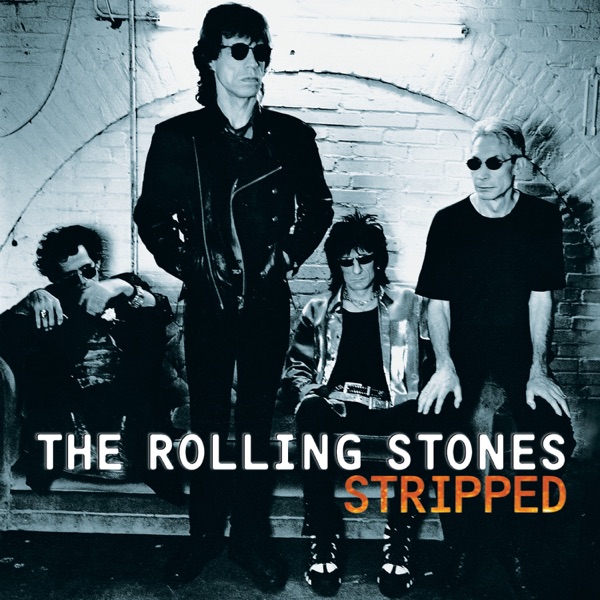 The Rolling Stones - Stripped
 Grateful Dead - Go to Heaven
 The Rolling Stones - Voodoo Lounge
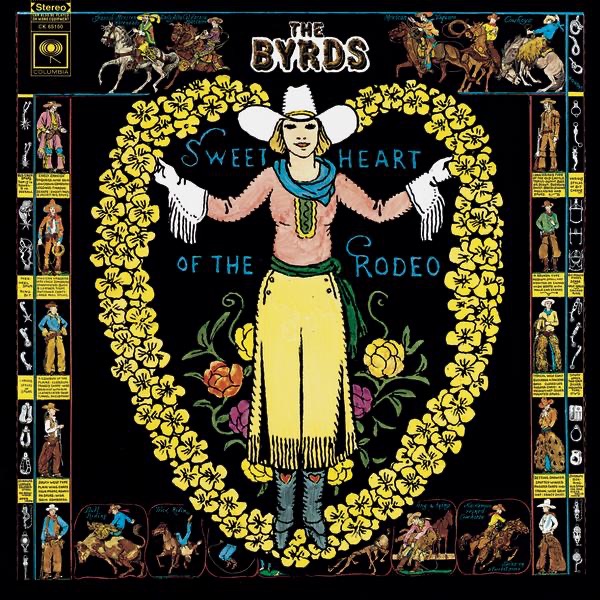 The Byrds - Sweetheart of the Rodeo
 Creedence Clearwater Revival - Creedence Gold
 Dire Straits - Making Movies
 Randy Newman - 12 Songs
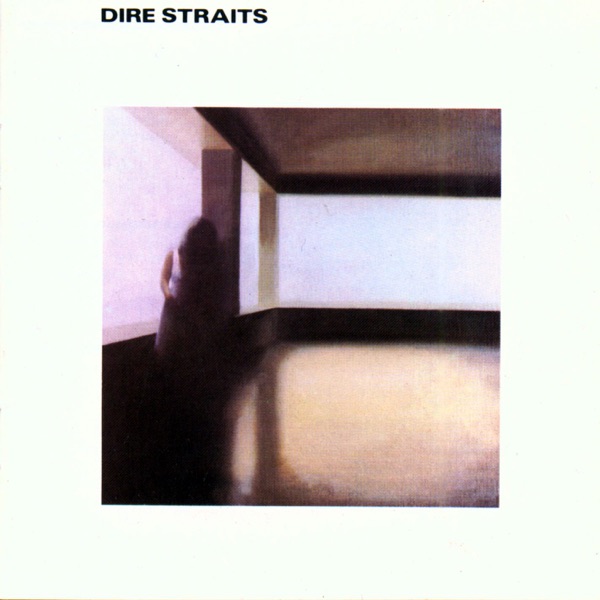 Dire Straits - Live at the BBC (Dire Straits album)
 Rod Stewart - Gasoline Alley (album)

Join the Conversation
Share your thoughts about this album.
Please log in to add a comment.
No comments yet. Be the first to comment.