Bob Dylan
Overview
Bob Dylan, born Robert Allen Zimmerman on May 24, 1941, in Duluth, Minnesota, is an influential American singer-songwriter, author, and visual artist. He is widely considered one of the greatest songwriters of all time. Dylan's career has spanned over five decades, during which he has continually shifted musical and lyrical directions, challenging the expectations of audiences and critics alike. With a unique voice and evocative lyrics, Dylan has earned numerous awards, including the Nobel Prize in Literature in 2016, the Pulitzer Prize Special Citation, and several Grammy Awards. Dylan's influence on music and culture is profound, making him a pivotal figure not just in American music but in global cultural history. His work transcends the boundaries of genre, melding folk, blues, rock, and country into a singular artistic vision marked by poetic imagery and a social conscience.
Formation and Early Years
Bob Dylan was raised in Hibbing, Minnesota, and developed an early interest in music. As a teenager, he formed several bands and played covers of popular rock and roll songs. Dylan later attended the University of Minnesota in Minneapolis, where he began to perform folk and country music in local coffeehouses. Inspired by Woody Guthrie and his contemporaries in the burgeoning urban folk music movement, Dylan moved to New York City in 1961. His arrival at the heart of the folk scene in Greenwich Village quickly established him as a rising talent. In New York, Dylan visited Woody Guthrie, who was hospitalized with a rare hereditary disease. This meeting profoundly impacted Dylan, galvanizing his commitment to using his music as a voice for social change. Signed by Columbia Records, he released his self-titled debut album in 1962, which, while not commercially successful, showcased his unique blend of folk traditions and original compositions. It was his second album, 'The Freewheelin’ Bob Dylan' (1963), that catapulted him into the spotlight, featuring iconic songs such as 'Blowin’ in the Wind' and 'A Hard Rain’s a-Gonna Fall'.
Career Highlights
Bob Dylan's career is marked by a series of transformative phases that have both defied and set trends in popular music. The mid-1960s saw Dylan 'going electric' at the Newport Folk Festival in 1965, a moment that symbolized a significant shift from folk to a new sound that incorporated rock elements. Albums like 'Highway 61 Revisited' and 'Blonde on Blonde' reflect this period's innovation. Moving into the 70s, Dylan continued to evolve, with 'Blood on the Tracks' being a standout album recognized for its lyrical depth and emotional intensity. The period also included landmark tours that set the stage for live rock performances. In the late 70s, Dylan underwent a highly publicized conversion to Christianity, which influenced works like 'Slow Train Coming'. The 80s and 90s saw Dylan's continued productivity, even as popular tastes shifted. With 'Time Out of Mind' in 1997, Dylan experienced a critical resurgence, winning three Grammy Awards, including Album of the Year. Dylan's Never Ending Tour, starting in 1988, demonstrated his relentless commitment to performing. His artistic output continued with acclaimed albums in the 21st century, such as 'Love and Theft', 'Modern Times', and 'Rough and Rowdy Ways'.
Musical Style
Bob Dylan's musical style is characterized by its ability to cross genres and innovate continuously. His early work was deeply rooted in American folk, drawing heavily on traditional forms and protest songs. He quickly incorporated electric instrumentation, creating a new hybrid of rock and folk that influenced the counterculture movement. Dylan's style is marked by his nasal vocal delivery, harmonica play, and a lyrical prowess that imbues his songs with literary and philosophical references. His lyrics often explore social issues, personal reflection, and complex narratives. Thematically, Dylan's work has ranged from explicit political protest to introspective journeys, religious themes, and surreal imagery. His ability to transform influences, from blues and country to rock and gospel, into a distinct sound is a hallmark of his work. Whether embracing the simplicity of an acoustic guitar or the complexity of a full band sound, Dylan has remained a dynamic artist whose style is instantly recognizable and continuously evolving.
Most Important Albums
Among Bob Dylan's extensive discography, several albums stand out as particularly important. 'The Freewheelin’ Bob Dylan' (1963) is seminal for its protest anthems that captured the zeitgeist of the 60s. 'Highway 61 Revisited' (1965) broke new ground with its electric sound and the epic 'Like a Rolling Stone'. 'Blonde on Blonde' (1966) is noted for its innovative double album format and musical complexity. 'Blood on the Tracks' (1975) is often lauded as one of Dylan's greatest works, reflecting personal turmoil through poetic songcraft. 'Desire' (1976), with its rich storytelling and collaboration with violinist Scarlet Rivera, is another key work. In 1997, 'Time Out of Mind' marked a rejuvenation of Dylan's career, winning the Grammy for Album of the Year and sparking new interest in his later works. 'Modern Times' (2006) saw Dylan returning to elements of folk, blues, and early rock, demonstrating his timeless relevance to contemporary music.
Legacy and Influence
Bob Dylan's legacy as a cultural icon is marked by his profound impact on music, literature, and society. His integration of literary techniques in songwriting transformed the possibilities of lyrics in popular music and inspired a generation of musicians and poets. Artists such as The Beatles, Bruce Springsteen, Joni Mitchell, and countless others cite Dylan as a critical influence on their work. Dylan's songs became anthems for the civil rights movement and continue to resonate with new generations advocating for social change. His ability to innovate within and across genres paved the way for musicians exploring new artistic expressions. Dylan's influence extends beyond music; his recognition by the Nobel Committee highlights his contribution to the blurring of cultural and artistic boundaries. Through the years, Dylan's work has been covered, studied, and celebrated, from academic analyses to tribute concerts. His commitment to lyrical and musical evolution underscores a legacy not confined to a single era or trend, but as an enduring, transformative force in global cultural history.
Albums by Bob Dylan

Triplicate (Bob Dylan album)
March 31, 2017
Traditional pop

Tempest
September 10, 2012
Folk, folk rock

Modern Times
August 29, 2006
Folk rock, blues, rockabilly, Americana

Love and Theft
September 11, 2001
Roots rock, Americana, blues, country, jazz
🛍 Shop Music
 Vinyl
Bob Dylan
Bob Dylan — Highway 61 Revisited
Amazon ↗
Vinyl
Bob Dylan
Bob Dylan — Highway 61 Revisited
Amazon ↗
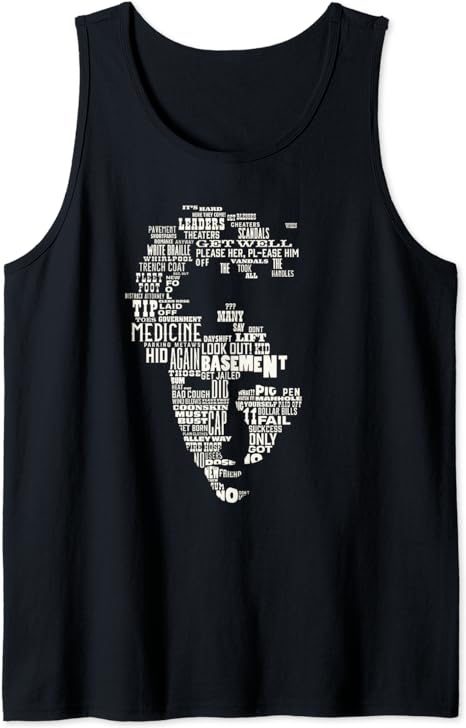 T-Shirt
Bob Dylan
Bob Dylan - Which Way The Wind Blows Tank Top
Amazon ↗
T-Shirt
Bob Dylan
Bob Dylan - Which Way The Wind Blows Tank Top
Amazon ↗
 T-Shirt
Bob Dylan
Bob Dylan Men's Highway 61 Revisited T-Shirt X-Large White
Amazon ↗
T-Shirt
Bob Dylan
Bob Dylan Men's Highway 61 Revisited T-Shirt X-Large White
Amazon ↗
 CD
Bob Dylan
Bob Dylan — Highway 61 Revisited
Amazon ↗
CD
Bob Dylan
Bob Dylan — Highway 61 Revisited
Amazon ↗
 Hoodie
Bob Dylan
Bob Dylan - Blood On The Tracks Pullover Hoodie
Amazon ↗
Hoodie
Bob Dylan
Bob Dylan - Blood On The Tracks Pullover Hoodie
Amazon ↗
 Merch
Bob Dylan
Bob Dylan Socks Guitar Pattern Logo
Amazon ↗
Merch
Bob Dylan
Bob Dylan Socks Guitar Pattern Logo
Amazon ↗

The Essential Bob Dylan
October 31, 2000
Folk, rock, country

Time Out of Mind
September 30, 1997
Blues rock, country, blues, rockabilly

Down in the Groove
May 30, 1988
Rock

Knocked Out Loaded
July 14, 1986
Rock

Infidels
October 27, 1983
Heartland rock, folk rock, reggae

Shot of Love
August 12, 1981
Christian rock, gospel

Saved (Bob Dylan album)
June 23, 1980
Christian rock, gospel

Slow Train Coming
August 20, 1979
Christian rock, gospel, blues rock

Hard Rain
September 13, 1976
Rock

Desire
January 05, 1976
Folk rock

Blood on the Tracks
January 20, 1975
Folk rock

Planet Waves
January 17, 1974
Roots rock

Dylan (1973 album)
November 16, 1973
Rock, folk rock

Pat Garrett & Billy the Kid
July 13, 1973
Country rock, folk rock, film score

New Morning
October 21, 1970
Country rock, folk rock

Self Portrait (Bob Dylan album)
June 08, 1970
Folk rock, blues rock, country rock

Nashville Skyline
April 09, 1969
Country, country rock

John Wesley Harding
December 27, 1967
Folk rock, country rock, roots rock

Blonde on Blonde
June 20, 1966
Folk rock, blues rock, country rock, rock and roll
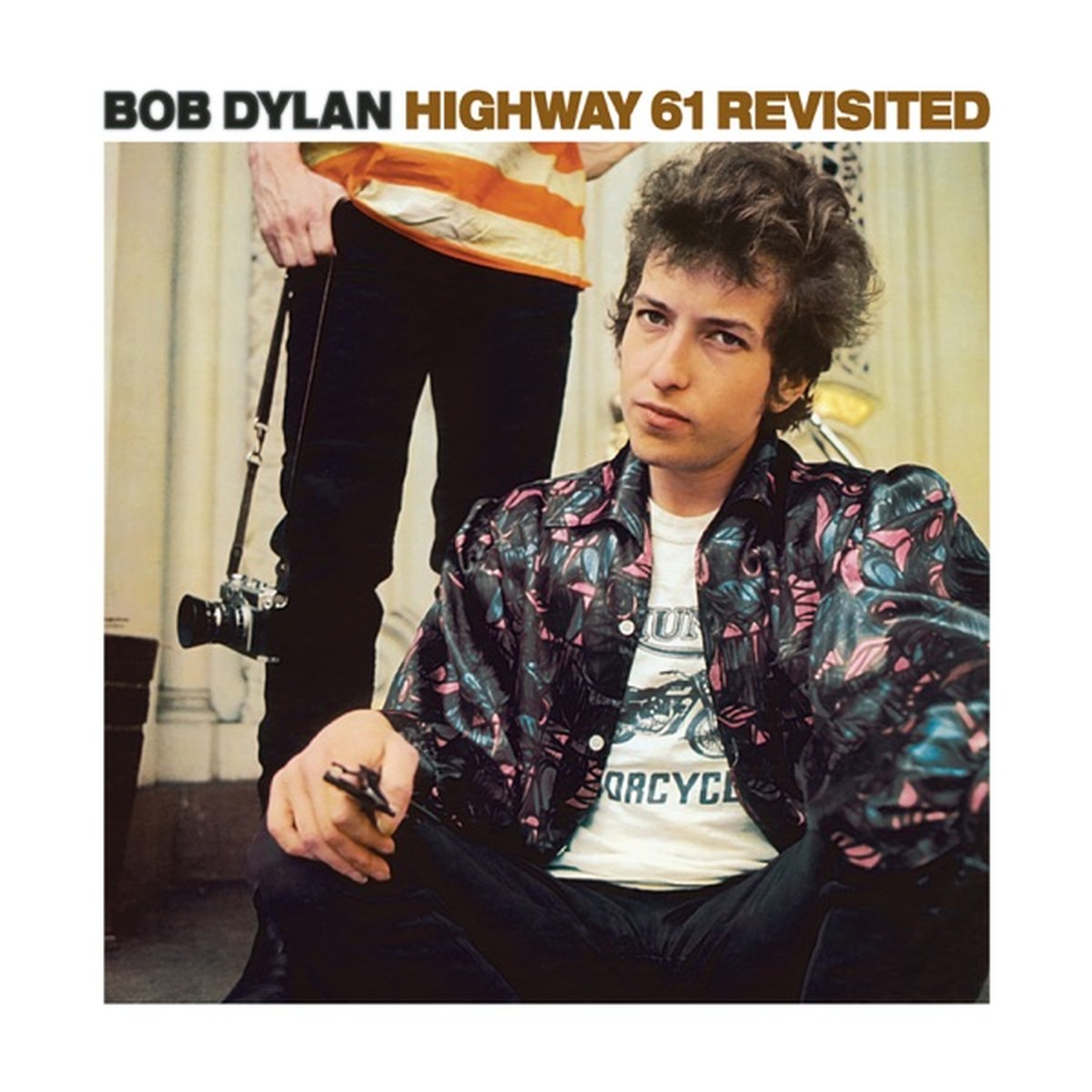
Highway 61 Revisited
August 30, 1965
Folk rock, blues rock, rock and roll

Bringing It All Back Home
April 24, 1965
Folk rock, folk, blues

Another Side of Bob Dylan
August 08, 1964
Folk

The Times They Are a-Changin'
February 10, 1964
Folk

The Freewheelin' Bob Dylan
May 27, 1963
Folk, blues

Bob Dylan (album)
March 19, 1962
Folk, country blues
Musicians / Members connected to Bob Dylan

FAQ about Bob Dylan
What genre is Bob Dylan?
Bob Dylan is commonly associated with Folk, Rock, Blues, Country, Gospel.
Where is Bob Dylan from?
Bob Dylan is from Duluth, Minnesota, USA.
How many albums by Bob Dylan are listed on musicOnOff?
musicOnOff currently lists 29 albums by Bob Dylan.
