
Blonde on Blonde
by Bob Dylan
Released: June 20, 1966
Folk rock, blues rock, country rock, rock and roll
Shop Bob Dylan
Amazon affiliate linksWhy This Album Matters
This album matters because its strongest editorial story is: Chart Success.
The Album
"Blonde on Blonde" is the seventh studio album by Bob Dylan, released on June 20, 1966, by Columbia Records. There, sessions with top-notch Nashville session musicians proved more fruitful, resulting in the completion of the album by early 1966. The album's sound combines rock with elements of folk and blues, enhanced by the skillful musicianship of the Nashville players.
Inside the Recording
Recording for "Blonde on Blonde" began in New York City in October 1965, but after limited success, producer Bob Johnston suggested relocating to Nashville, Tennessee.
Interesting Facts
The album's innovative use of the double LP…
The album's innovative use of the double LP format in rock music also set a precedent for future artists.
Explore the Album
Bob Dylan - Blonde on Blonde
Open in Albums Gallery
Reception
The album produced two notable singles: "Rainy Day Women #12 & 35" and "I Want You," both of which charted in the top twenty in the US. Commercially, the album peaked at number nine on the Billboard Top LPs chart in the US and reached number three in the UK. It achieved double platinum certification in the US over time.
Legacy
In recognition of its enduring influence and artistic significance, "Blonde on Blonde" was inducted into the Grammy Hall of Fame in 1999 and consistently ranks among the greatest albums of all time, including placing 38th on Rolling Stone's "500 Greatest Albums of All Time" list in 2020.
The Complete Album Story
"Blonde on Blonde" is the seventh studio album by Bob Dylan, released on June 20, 1966, by Columbia Records.
Recording for "Blonde on Blonde" began in New York City in October 1965, but after limited success, producer Bob Johnston suggested relocating to Nashville, Tennessee. There, sessions with top-notch Nashville session musicians proved more fruitful, resulting in the completion of the album by early 1966. The album's sound combines rock with elements of folk and blues, enhanced by the skillful musicianship of the Nashville players.
Critically acclaimed, "Blonde on Blonde" completed Dylan's trilogy of rock albums that began with "Bringing It All Back Home" and "Highway 61 Revisited," both from 1965. Critics often highlight its poetic and narrative lyrics, which blend visionary themes with colloquial language, reflecting Dylan's evolving artistic maturity.
Commercially, the album peaked at number nine on the Billboard Top LPs chart in the US and reached number three in the UK. It achieved double platinum certification in the US over time. The album produced two notable singles: "Rainy Day Women #12 & 35" and "I Want You," both of which charted in the top twenty in the US.
Songs from "Blonde on Blonde," such as "Just Like a Woman" and "Visions of Johanna," are often cited as some of Dylan's greatest compositions and have been featured prominently in critical assessments and "greatest songs" lists. The album's innovative use of the double LP format in rock music also set a precedent for future artists.
In recognition of its enduring influence and artistic significance, "Blonde on Blonde" was inducted into the Grammy Hall of Fame in 1999 and consistently ranks among the greatest albums of all time, including placing 38th on Rolling Stone's "500 Greatest Albums of All Time" list in 2020.
More Folk rock Albums
 Sun Kil Moon - I Also Want to Die in New Orleans
 Family - Family Entertainment
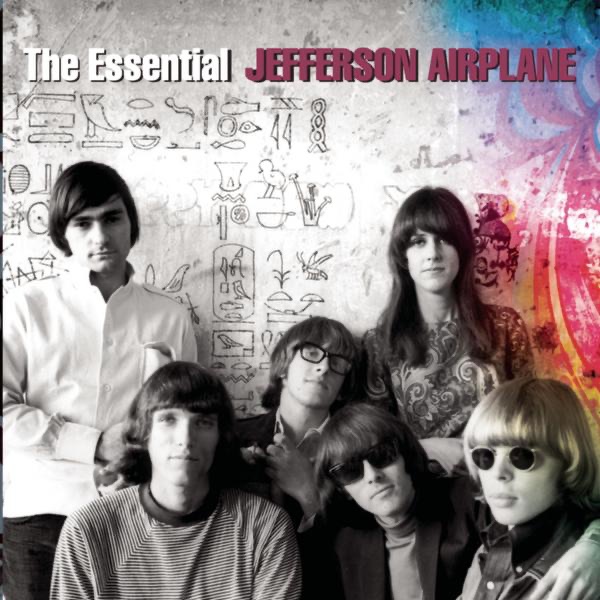 Jefferson Airplane - The Essential Jefferson Airplane
 The Proclaimers - Sunshine on Leith
 Joni Mitchell - Both Sides Now
 Family - A Song for Me
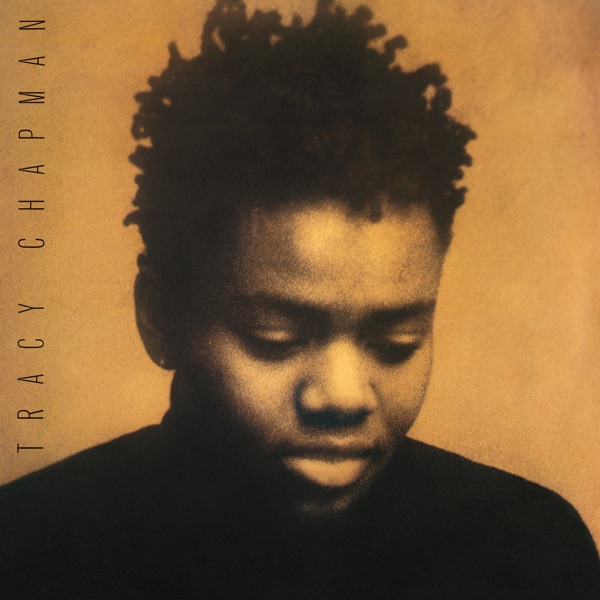 Tracy Chapman - Tracy Chapman (album)
 Suzanne Vega - Solitude Standing
 Sandy Denny and the Strawbs - Sandy Denny and the Strawbs
 Mark Lanegan - Gargoyle (album)

Join the Conversation
Share your thoughts about this album.
Please log in to add a comment.
No comments yet. Be the first to comment.