
Workingman's Dead
by Grateful Dead
Released: June 14, 1970
Roots rock, folk rock, country rock, blues rock
Shop Grateful Dead
Amazon affiliate linksWhy This Album Matters
This album matters because its strongest editorial story is: Experimental Album.
The Album
"Workingman's Dead" is the fourth studio album by the Grateful Dead. The album and its studio follow-up, "American Beauty," were both released within the span of one year. These albums marked a departure from the psychedelic rock that the Grateful Dead had been known for and were instead influenced by elements of folk and country music.
Interesting Facts
The album is primarily acoustic and contains a…
The album is primarily acoustic and contains a significant amount of harmony work, indicative of the group's shifting musical views and the influence of their surroundings in the countercultural movement.
It was released by Warner Bros
It was released by Warner Bros.
The lyrics are storyteller-style folk narratives which tackle…
The lyrics are storyteller-style folk narratives which tackle themes of love, loss, and the American experience.
These albums led to the band's successful rise…
These albums led to the band's successful rise in the early 1970s, despite the death of founding member and key contributor, Ron "Pigpen" McKernan.
Explore the Album
Grateful Dead - Workingman's Dead
Open in Albums Gallery
Reception
"Workingman's Dead" produced some of the band's most enduring and popular songs, such as "Uncle John's Band," "Casey Jones," and "Black Peter." Despite its initial mixed critical reception, over time it has been seen as one of the strongest albums in the Dead's repertoire, and a touchstone of what is now called Americana.
Legacy
The Grateful Dead continued to forge their careers, gaining a dedicated fan base known as "Deadheads," whose engagement in the culture of attending shows and following the band on tour became a defining aspect of their legacy and impact on popular culture.
The Complete Album Story
"Workingman's Dead" is the fourth studio album by the Grateful Dead. It was released by Warner Bros. Records in June 1970. The album and its studio follow-up, "American Beauty," were both released within the span of one year. These albums marked a departure from the psychedelic rock that the Grateful Dead had been known for and were instead influenced by elements of folk and country music.
The album is primarily acoustic and contains a significant amount of harmony work, indicative of the group's shifting musical views and the influence of their surroundings in the countercultural movement. The lyrics are storyteller-style folk narratives which tackle themes of love, loss, and the American experience.
"Workingman's Dead" produced some of the band's most enduring and popular songs, such as "Uncle John's Band," "Casey Jones," and "Black Peter." Despite its initial mixed critical reception, over time it has been seen as one of the strongest albums in the Dead's repertoire, and a touchstone of what is now called Americana.
These albums led to the band's successful rise in the early 1970s, despite the death of founding member and key contributor, Ron "Pigpen" McKernan. The Grateful Dead continued to forge their careers, gaining a dedicated fan base known as "Deadheads," whose engagement in the culture of attending shows and following the band on tour became a defining aspect of their legacy and impact on popular culture.
More Roots rock Albums
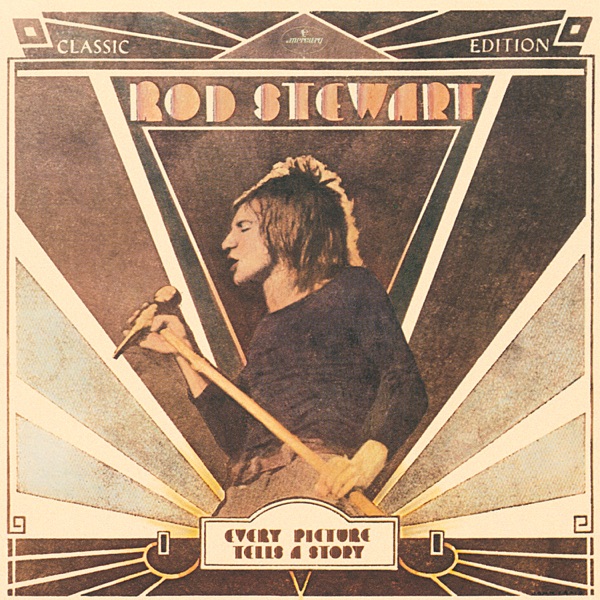 Rod Stewart - Every Picture Tells a Story
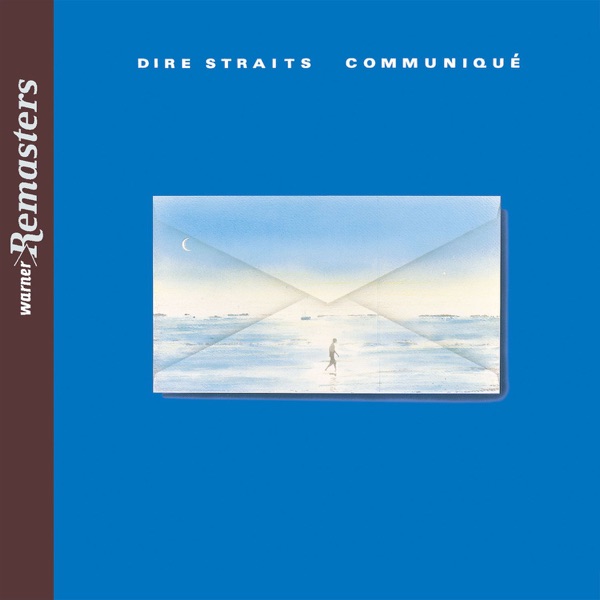 Dire Straits - Communiqué (Dire Straits album)
 Bob Dylan - Planet Waves
 The Rolling Stones - Voodoo Lounge
 Dire Straits - Sultans of Swing: The Very Best of Dire Straits
 Grateful Dead - Go to Heaven
 Talking Heads - Little Creatures
 Primal Scream - Riot City Blues
 Elvis Costello - King of America
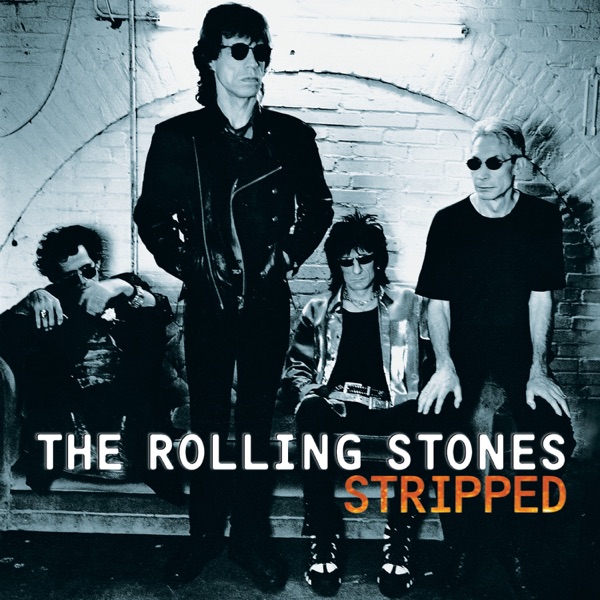 The Rolling Stones - Stripped
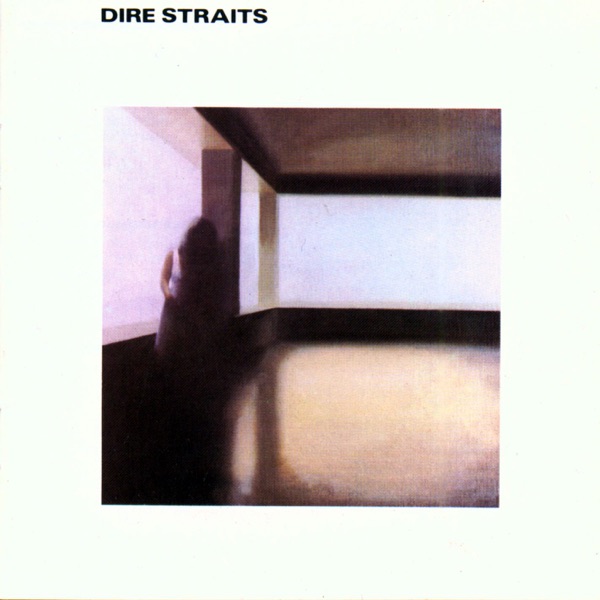 Dire Straits - Live at the BBC (Dire Straits album)

Join the Conversation
Share your thoughts about this album.
Please log in to add a comment.
No comments yet. Be the first to comment.