Grateful Dead
Overview
The Grateful Dead was an American rock band formed in the 1960s that became synonymous with the counterculture movement of that era. Known for their eclectic style that fused elements of rock, folk, country, jazz, bluegrass, blues, gospel, and psychedelic rock, the band is perhaps most famous for its lengthy live performances, improvisational style, and devoted fan community known as 'Deadheads.' Their concerts were like voyages into the unknown, each performance distinct in its own way, which created a cult-like following that persisted over the decades. The Grateful Dead's music transcended traditional categories, instead creating an experience that connected deeply with its audience. Their work was less about chart success and more about the live experience, a philosophy that influenced countless artists and transformed the culture of live musical performances. Even after the death of its lead guitarist and spiritual leader, Jerry Garcia, in 1995, the Grateful Dead's cultural impact remains significant, influencing a range of genres and artists.
Formation and Early Years
The Grateful Dead was formed in the San Francisco Bay Area in 1965 amid the burgeoning hippie movement. Originally known as the Warlocks, the initial lineup included Jerry Garcia, Bob Weir, Ron 'Pigpen' McKernan, Phil Lesh, and Bill Kreutzmann. The name was changed to the Grateful Dead after discovering that another band was already using the name Warlocks. Their early performances were held at the Fillmore West and Avalon Ballroom, iconic venues of the San Francisco sound. Signed to Warner Bros. Records in 1967, they released their debut album, 'The Grateful Dead,' the same year. This period was marked by experimentation, as the band cultivated their unique sound that mixed different musical styles and emphasized live improvisation.
Career Highlights
Throughout their three-decade career, the Grateful Dead developed a reputation for their distinct history in live recordings and improvisational concerts. Their most renowned studio albums include 'American Beauty' and 'Workingman's Dead,' both released in 1970, showcasing a mature shift towards a more folk-rock and country-rock style. The band became the standard-bearers of the jam band genre, with their live album 'Europe '72' and countless live recordings further cementing their legacy. They spearheaded numerous historic tours and festivals, including the famous Woodstock Festival in 1969 and the Summer Jam at Watkins Glen in 1973. Their concert recordings, notably curated in the 'Dick's Picks' series, remain instrumental in understanding the band’s comprehensive output.
Musical Style
The Grateful Dead's musical style is best described as a melting pot of genres, reflecting their diverse influences and willingness to experiment. Their sound combined rock and roll, folk, and bluegrass with jazz-like improvisation, often weaving in country and blues. Psychedelia played a significant role in their music, especially in their early years. Their songs often contained extended instrumental jam sessions, which became a staple of their live performances. Psychedelic elements were incorporated with versatility and imagination, contributing to their distinctive auditory aesthetic. Lyrically, the band drew from American folklore, mythology, and countercultural themes. Songs were characterized by poetic narratives, rich symbolism, and expressive storytelling.
Most Important Albums
Several albums in the Grateful Dead discography stand out for their artistic achievement and cultural impact. 'American Beauty' (1970) is widely considered one of their best works, featuring classic songs like 'Truckin'' and 'Ripple.' Its companion release, 'Workingman's Dead' (1970), embraced a more stripped-down sound and emphasized traditional songcraft, featuring tracks like 'Uncle John's Band.' 'Europe '72' (1972) captured the band’s improvisational energy at its peak and remains one of their most acclaimed live albums. Each album served as a snapshot of their evolving sound, wonderfully encapsulating different aspects of their broad musical style.
Legacy and Influence
The Grateful Dead’s legacy is profound, extending beyond music into a cultural phenomenon. They pioneered a sense of community with their fanbase that was unmatched in the rock world at that time. The 'Deadhead' culture, where followers traveled from concert to concert to enjoy live performances, became legendary, fostering a sense of camaraderie and shared exploration. Their ethos of tapping into the live music scene influenced bands worldwide and inspired future generations of musicians to prioritize live performances and fan interactions. Artists from various genres cite them as an influence, and their enduring impact on music festivals and jam band culture is particularly noteworthy. Their approach to fan relationships and business set a precedent in the music industry, as they encouraged tape trading among fans and emphasized the importance of live performances over studio recordings.
Albums by Grateful Dead

Ready or Not
November 22, 2019
Rock

The Best of the Grateful Dead
March 31, 2015
Rock

Ladies and Gentlemen...
October 26, 2000
Jam, folk rock, psychedelic rock

Dead Zone: The Grateful Dead CD Collection (1977–1987)
August 22, 1987
Rock
🛍 Shop Music
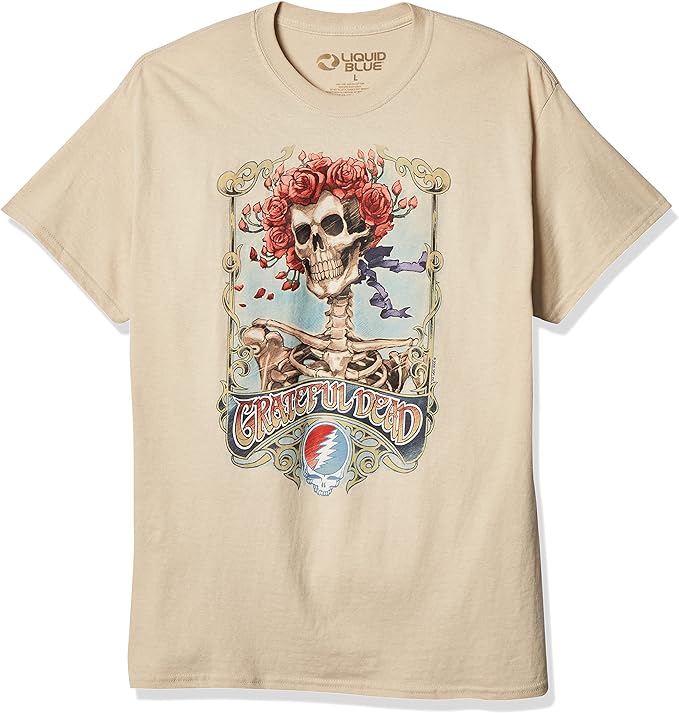

In the Dark (Grateful Dead album)
July 06, 1987
Blues rock, roots rock, pop rock

Reckoning (Grateful Dead album)
April 01, 1981
Folk rock, acoustic rock

Go to Heaven
April 28, 1980
Blues rock, roots rock, pop rock

Shakedown Street
November 08, 1978
Pop rock, roots rock, blues rock, funk rock

Terrapin Station
July 27, 1977
Progressive rock, jazz-rock

Steal Your Face
June 26, 1976
Jam rock, roots rock

From the Mars Hotel
June 27, 1974
Roots rock, psychedelia

Skeletons from the Closet: The Best of Grateful Dead
February 17, 1974
Roots rock, jam rock

Europe '72
November 01, 1972
Jam rock, roots rock, psychedelic rock, blues rock
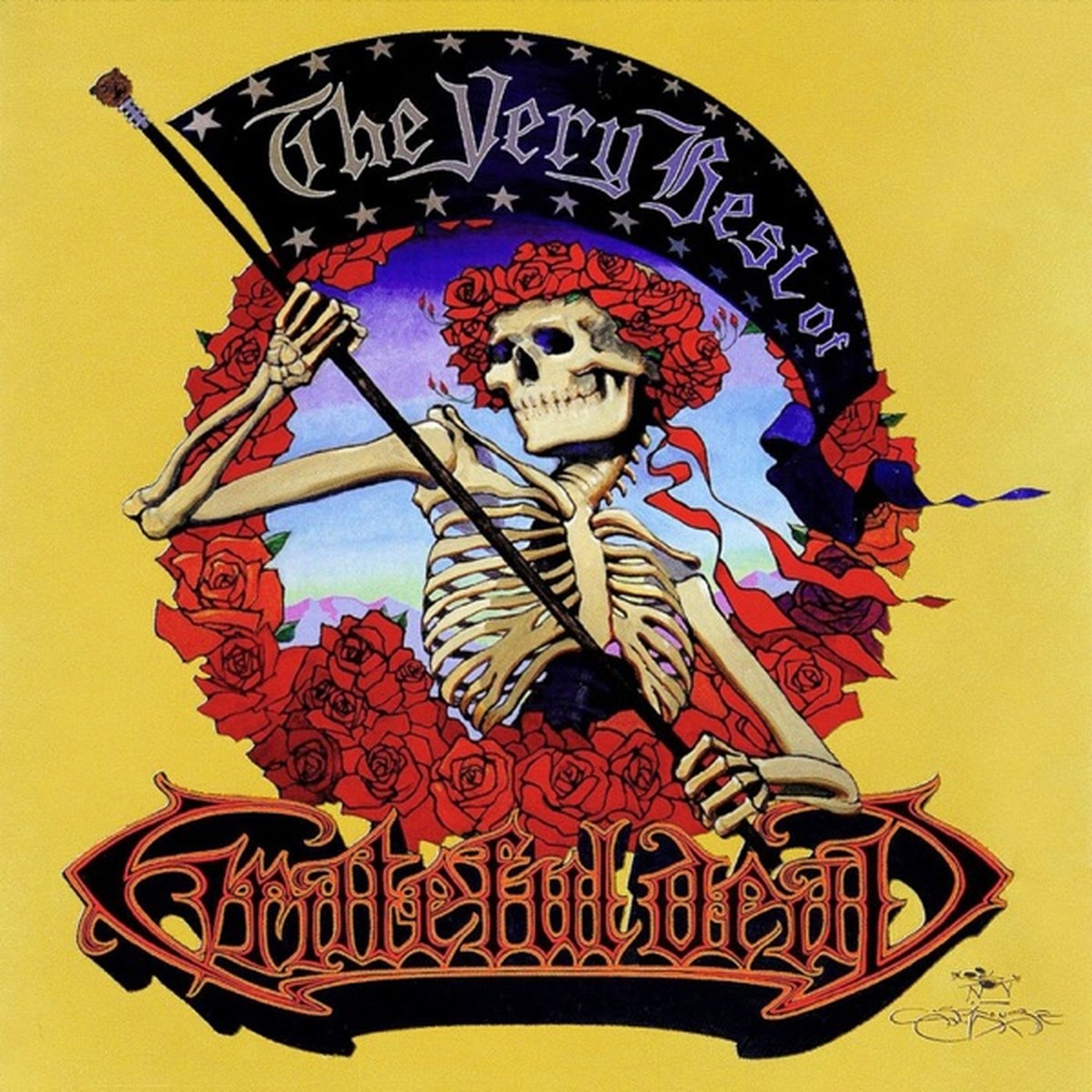
Skull and Roses
September 24, 1971
Jam rock, roots rock, psychedelic rock, blues rock

American Beauty
November 01, 1970
Folk rock, country rock, psychedelic rock

Workingman's Dead
June 14, 1970
Roots rock, folk rock, country rock, blues rock

Aoxomoxoa
June 20, 1969
Psychedelic rock, acid rock, psychedelic folk

Anthem of the Sun
July 18, 1968
Acid rock, sound collage, Psychedelic rock

The Grateful Dead
March 17, 1967
Blues rock, folk rock, blues, psychedelia, San Francisco sound, garage rock, ps…
Musicians / Members connected to Grateful Dead
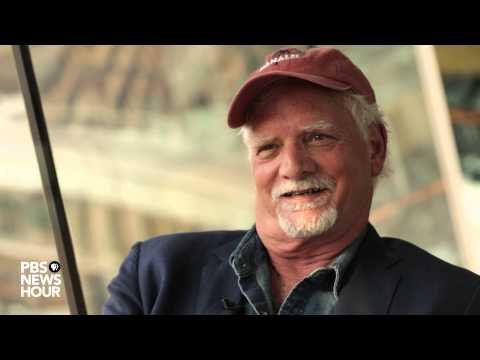
Bill Kreutzmann
Born October 16, 2003
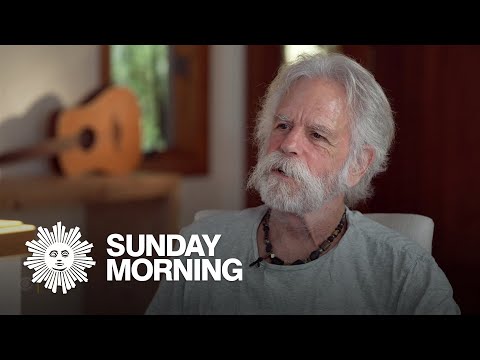
Bob Weir
Born October 16, 1947

Brent Mydland
Born October 21, 1952

Bruce Hornsby
Born November 23, 1954

Donna Jean Godchaux
Born August 22, 1947

Jerry Garcia
Born August 01, 1942

Keith Godchaux
Born July 19, 1948

Mickey Hart
Born September 11, 1943
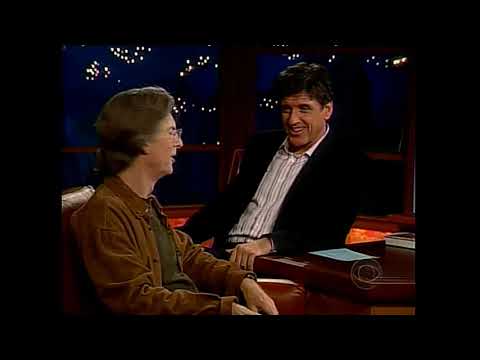
Phil Lesh
Born March 15, 1940

Tom Constanten
Born March 19, 1944

Vince Welnick
Born February 21, 1951
FAQ about Grateful Dead
What genre is Grateful Dead?
Grateful Dead is commonly associated with Rock, Psychedelic rock, Folk rock, Country rock, Jam band.
Where is Grateful Dead from?
Grateful Dead is from Palo Alto, California, United States.
How many albums by Grateful Dead are listed on musicOnOff?
musicOnOff currently lists 19 albums by Grateful Dead.
