
Making Movies
by Dire Straits
Released: October 17, 1980
Roots rock
Shop Dire Straits
Amazon affiliate linksWhy This Album Matters
This album matters because its strongest editorial story is: Breakthrough.
The Album
"Making Movies" is the third studio album by British rock band Dire Straits, released on 17 October 1980 by Vertigo Records internationally and by Warner Bros. The album reflects Mark Knopfler's cinematic songwriting style, and it contains several of their best-known songs, including "Romeo and Juliet", "Tunnel of Love", and "Skateaway". "Making Movies" has a cinematic quality, with many of the songs having a storytelling nature, which is a departure from the straightforward rock approach of the band's previous two albums.
Inside the Recording
The recording sessions for the album were marked by significant changes in Dire Straits' lineup, the departure of David Knopfler due to personal and creative differences, and the addition of keyboardist Roy Bittan from Bruce Springsteen’s E Street Band.
Interesting Facts
The style of the album is more lavish…
The style of the album is more lavish than their earlier work, paving the way for the band's later success with the album "Brothers in Arms".
Explore the Album
Dire Straits - Making Movies
Open in Albums Gallery
Reception
The album failed to reach the top 20 in the UK Albums Chart upon its initial release but was successful in America, reaching number 19 on the Billboard 200. The album eventually went on to become a significant commercial success, and as of 1987, it achieved platinum certification by the RIAA in the United States. This resulted in a more distinctive and expansive sound, which was generally well received by critics and fans alike.
The Complete Album Story
"Making Movies" is the third studio album by British rock band Dire Straits, released on 17 October 1980 by Vertigo Records internationally and by Warner Bros. Records in the United States. The album reflects Mark Knopfler's cinematic songwriting style, and it contains several of their best-known songs, including "Romeo and Juliet", "Tunnel of Love", and "Skateaway".
The recording sessions for the album were marked by significant changes in Dire Straits' lineup, the departure of David Knopfler due to personal and creative differences, and the addition of keyboardist Roy Bittan from Bruce Springsteen’s E Street Band. This resulted in a more distinctive and expansive sound, which was generally well received by critics and fans alike. Critics have particularly praised Knopfler's evocative lyrics and the sophistication of the band's music.
"Making Movies" has a cinematic quality, with many of the songs having a storytelling nature, which is a departure from the straightforward rock approach of the band's previous two albums. The style of the album is more lavish than their earlier work, paving the way for the band's later success with the album "Brothers in Arms".
The album failed to reach the top 20 in the UK Albums Chart upon its initial release but was successful in America, reaching number 19 on the Billboard 200. The album eventually went on to become a significant commercial success, and as of 1987, it achieved platinum certification by the RIAA in the United States.
More Roots rock Albums
 Elvis Costello - The Delivery Man (album)
 Grateful Dead - Go to Heaven
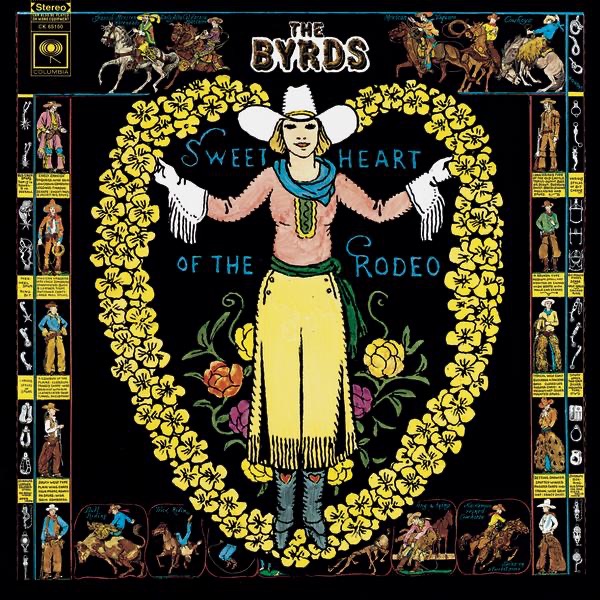 The Byrds - Sweetheart of the Rodeo
 Bob Dylan - Planet Waves
 Talking Heads - Little Creatures
 Randy Newman - 12 Songs
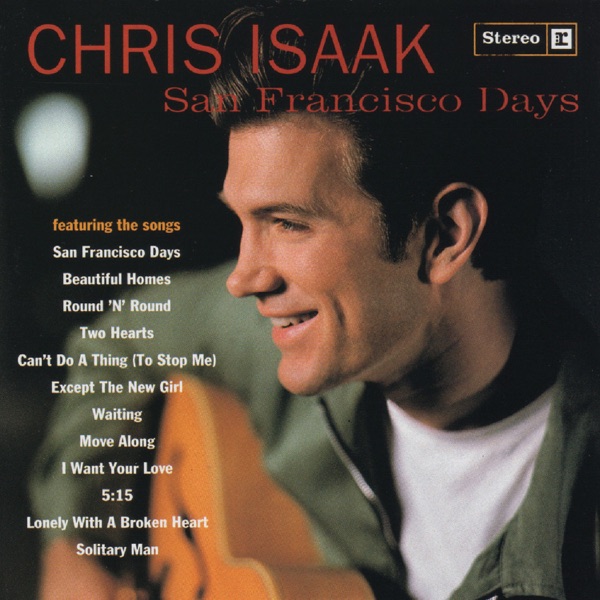 Chris Isaak - San Francisco Days
 The Proclaimers - Persevere
 The Rolling Stones - Beggars Banquet
 Creedence Clearwater Revival - Creedence Gold
 Bob Dylan - John Wesley Harding
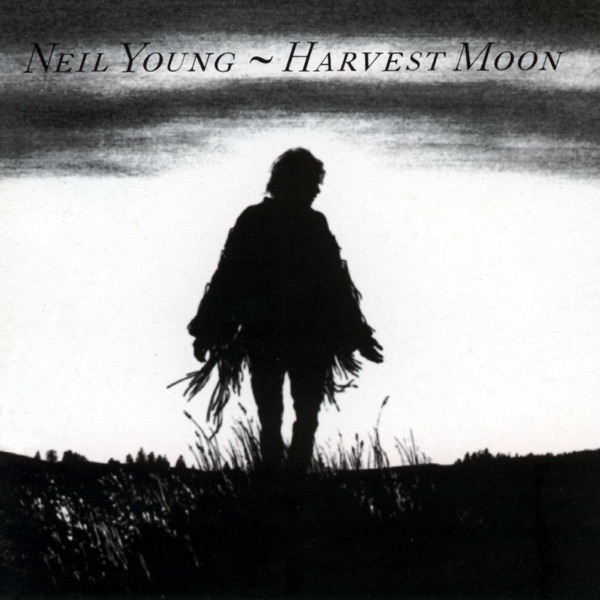 Neil Young - Harvest Moon

Join the Conversation
Share your thoughts about this album.
Please log in to add a comment.
No comments yet. Be the first to comment.