
The Band (album)
by The Band
Released: September 22, 1969
Roots rock, folk rock, country rock, Americana
Shop The Band
Amazon affiliate linksThe Album
"The Band", often referred to as The Brown Album, is the second studio album by the Canadian-American rock group The Band, released on September 22, 1969. While most of the album was crafted in this informal setting, the final touches for three tracks, from "Up on Cripple Creek" to "Jemima Surrender," were completed at The Hit Factory in New York City, blending the relaxed atmosphere of the clubhouse with the professionalism of a top studio. Key tracks such as "The Night They Drove Old Dixie Down," "King Harvest (Has Surely Come)," and "Jawbone" highlight the album's focus on historical narratives and cultural motifs.
Inside the Recording
After facing challenges with recording sessions in New York, The Band found a more suitable environment in the pool house of a Hollywood Hills home they rented, previously owned by Sammy Davis Jr. This location, which had also been home to Judy Garland and Wally Cox, was chosen to evoke a Basement Tapes-like feel, fostering a creative "clubhouse concept." Robbie Robertson, keen to understand the technical aspects of production, took an active role in the engineering process. Co-producer John Simon noted Robertson's eagerness to learn, guiding him through the intricacies of album production.
Interesting Facts
Notably, "Jawbone" is distinguished by its unique 6/4…
Notably, "Jawbone" is distinguished by its unique 6/4 time signature, showcasing the band's musical innovation.
The album's rich storytelling and diverse musical styles…
The album's rich storytelling and diverse musical styles have cemented its status as a classic in rock history, celebrated for its poignant reflections on American life and heritage.
Essential Tracks
The Night They Drove Old Dixie Down
Key tracks such as "The Night They Drove Old Dixie Down," "King Harvest (Has Surely Come)," and "Jawbone" highlight the album's focus on historical narratives and cultural motifs.
Up On Cripple Creek
While most of the album was crafted in this informal setting, the final touches for three tracks, from "Up on Cripple Creek" to "Jemima Surrender," were completed at The Hit Factory in New York City, blending the relaxed atmosphere of the clubhouse with the professionalism of a top studio.
Jemima Surrender
While most of the album was crafted in this informal setting, the final touches for three tracks, from "Up on Cripple Creek" to "Jemima Surrender," were completed at The Hit Factory in New York City, blending the relaxed atmosphere of the clubhouse with the professionalism of a top studio.
Jawbone
Key tracks such as "The Night They Drove Old Dixie Down," "King Harvest (Has Surely Come)," and "Jawbone" highlight the album's focus on historical narratives and cultural motifs.
King Harvest (Has Surely Come)
Key tracks such as "The Night They Drove Old Dixie Down," "King Harvest (Has Surely Come)," and "Jawbone" highlight the album's focus on historical narratives and cultural motifs.
Explore the Album
The Band - The Band (album)
Open in Albums Gallery
Legacy
It is regarded as a concept album that explores themes rooted in Americana, featuring stories about people, places, and traditions reflective of a bygone era.
The Complete Album Story
"The Band", often referred to as The Brown Album, is the second studio album by the Canadian-American rock group The Band, released on September 22, 1969. It is regarded as a concept album that explores themes rooted in Americana, featuring stories about people, places, and traditions reflective of a bygone era.
Key tracks such as "The Night They Drove Old Dixie Down," "King Harvest (Has Surely Come)," and "Jawbone" highlight the album's focus on historical narratives and cultural motifs. Notably, "Jawbone" is distinguished by its unique 6/4 time signature, showcasing the band's musical innovation. The album's rich storytelling and diverse musical styles have cemented its status as a classic in rock history, celebrated for its poignant reflections on American life and heritage.
After facing challenges with recording sessions in New York, The Band found a more suitable environment in the pool house of a Hollywood Hills home they rented, previously owned by Sammy Davis Jr. This location, which had also been home to Judy Garland and Wally Cox, was chosen to evoke a Basement Tapes-like feel, fostering a creative "clubhouse concept."
Robbie Robertson, keen to understand the technical aspects of production, took an active role in the engineering process. Co-producer John Simon noted Robertson's eagerness to learn, guiding him through the intricacies of album production. While most of the album was crafted in this informal setting, the final touches for three tracks, from "Up on Cripple Creek" to "Jemima Surrender," were completed at The Hit Factory in New York City, blending the relaxed atmosphere of the clubhouse with the professionalism of a top studio.
More Roots rock Albums
 The Band - The Last Waltz
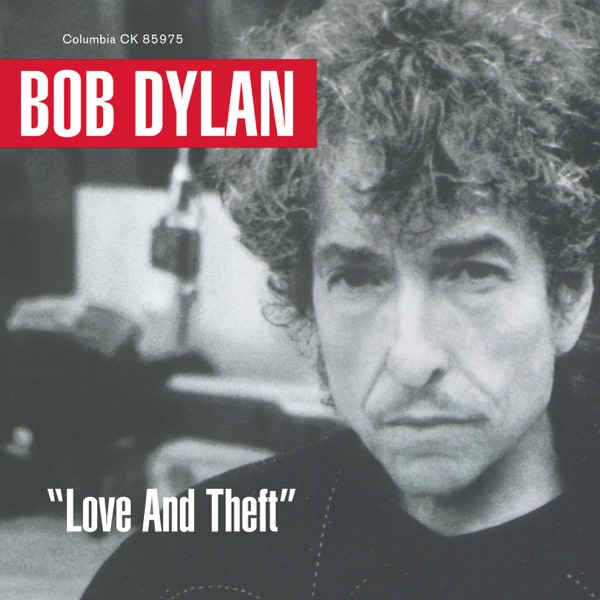 Bob Dylan - Love and Theft
 Grateful Dead - Skeletons from the Closet: The Best of Grateful Dead
 Talking Heads - Little Creatures
 Elvis Costello - Momofuku
 The Charlatans - Us and Us Only
 Dire Straits - Sultans of Swing: The Very Best of Dire Straits
 Randy Newman - 12 Songs
 Elvis Costello - King of America
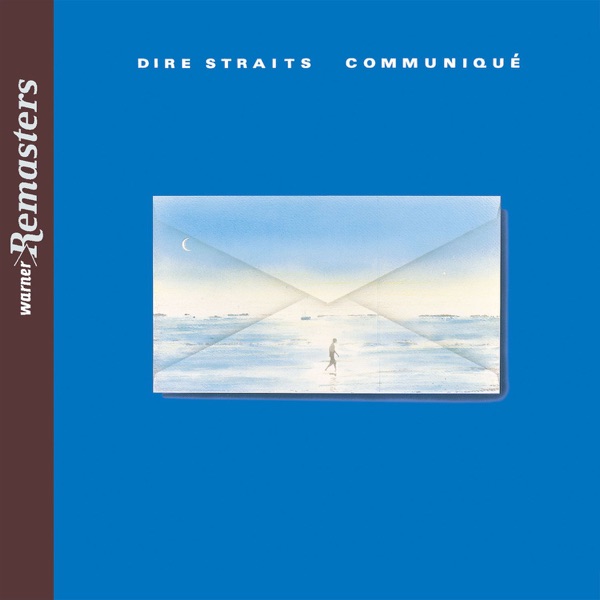 Dire Straits - Communiqué (Dire Straits album)
 Grateful Dead - In the Dark (Grateful Dead album)
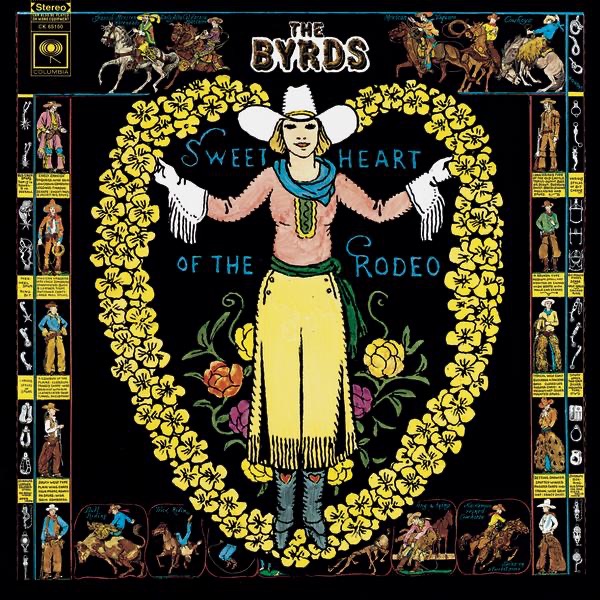 The Byrds - Sweetheart of the Rodeo

Join the Conversation
Share your thoughts about this album.
Please log in to add a comment.
No comments yet. Be the first to comment.