The Cure
Overview
The Cure is a renowned English rock band formed in Crawley, West Sussex, in 1976. Over their extensive career, they have been associated with various music styles, including post-punk, new wave, and gothic rock. Known for their distinctive sound and dark, introspective lyrics, The Cure has garnered a dedicated fanbase and critical acclaim worldwide. The band has undergone several lineup changes, with lead vocalist and guitarist Robert Smith remaining the only constant member. Throughout the years, The Cure has released numerous albums and singles that have become staples in the alternative music scene. Their ability to evolve while maintaining a core identity has ensured their longevity in the music industry.
Formation and Early Years
The origins of The Cure can be traced back to 1976 when a group of school friends in Crawley came together to form a band initially named Easy Cure. The original lineup included Robert Smith, Michael Dempsey, Lol Tolhurst, and Porl Thompson. In their early years, the band faced challenges such as finding a stable lineup and securing a record deal. However, their persistence paid off when they signed with Fiction Records in 1978. With this new partnership, the band shortened their name to The Cure and began working on their debut album. Their first album, 'Three Imaginary Boys,' was released in 1979, showcasing their post-punk sound and garnering attention within the underground music scene.
Career Highlights
The Cure's career highlights span decades, marked by a series of successful albums and tours. The 1980s were particularly significant for the band, as they released a string of influential albums, including 'Seventeen Seconds,' 'Faith,' and 'Pornography,' each contributing to their reputation as pioneers of the gothic rock genre. In 1987, the release of 'Kiss Me, Kiss Me, Kiss Me' marked a turning point, as it expanded their popularity beyond Europe. The 1989 album 'Disintegration' is often regarded as their magnum opus, achieving commercial success and critical acclaim with hits like 'Lovesong' and 'Pictures of You.' Throughout the 1990s, The Cure continued to evolve, adapting to changes in the music industry while maintaining their distinct sound. They were inducted into the Rock and Roll Hall of Fame in 2019, cementing their legacy as one of the most influential bands in alternative music.
Musical Style
The Cure's musical style is characterized by a blend of post-punk, gothic rock, and new wave elements. Their early work was heavily influenced by the punk movement, with fast-paced rhythms and raw guitar sounds. As they evolved, their music began to incorporate melancholic melodies, lush instrumentation, and introspective lyrics, often dealing with themes of love, loss, and existential angst. Robert Smith's distinctive voice and emotive delivery are central to the band's sound, serving as a defining feature of their music. The Cure is known for their ability to create atmospheric soundscapes, combining synthesizers, reverb-laden guitars, and dynamic percussion. This unique blend has allowed them to maintain relevance across different musical eras, appealing to a wide range of listeners.
Most Important Albums
Several albums by The Cure stand out as milestones in their career. 'Seventeen Seconds' (1980) is significant for its introduction of the band's darker, more atmospheric sound, impacting the direction of gothic rock. 'Pornography' (1982) further cemented their status with its intense and brooding tone. 'Disintegration' (1989) is often hailed as their masterpiece, showcasing a polished sound and mature songwriting that resonated with audiences both critically and commercially. The 1992 album 'Wish' continued their success, featuring hits like 'Friday I'm in Love,' which remains one of their most popular songs. Each album reflects a different phase in the band's evolution, demonstrating their versatility and commitment to artistic growth.
Legacy and Influence
The legacy and influence of The Cure extend far beyond their extensive discography. They are credited with shaping the sound of alternative and gothic rock, influencing numerous bands and artists across generations. Their willingness to experiment with different musical styles and themes has inspired musicians to embrace creativity and authenticity. The band's visual aesthetic, characterized by Smith's trademark smeared lipstick and disheveled hair, has become iconic, influencing fashion trends and the visual elements of contemporary music. The Cure's enduring appeal is evident in their ability to sell out arenas worldwide, despite the passage of time. Their impact on music culture is profound, as they continue to inspire fans and artists alike, both old and new.
Albums by The Cure

Songs of a Lost World
November 01, 2024
Gothic rock, space rock

4:13 Dream
October 27, 2008
Alternative rock, indie rock, funk rock, gothic rock, psychedelic rock, garage …

The Cure(album)
June 25, 2004
Alternative rock, indie rock

Greatest Hits
November 07, 2001
Alternative rock, post-punk, gothic rock, new wave, goth-pop
🛍 Shop Music

Bloodflowers
February 02, 2000
Gothic rock

Galore
October 28, 1997
Gothic rock, post-punk, alternative rock

Wild Mood Swings
May 06, 1996
Gothic rock, post-punk, alternative rock

Paris
October 25, 1993
Gothic rock, post-punk, alternative rock

Show (The Cure album)
September 13, 1993
Gothic rock, post-punk, alternative rock

Mixed Up
November 20, 1990
Gothic rock, post-punk, alternative rock

Disintegration (The Cure album)
May 02, 1989
Gothic rock, alternative rock, dream pop, post-punk

Kiss Me, Kiss Me, Kiss Me
May 26, 1987
Alternative rock, new wave, post-punk, gothic rock, neo psychedelia

The Head on the Door
August 30, 1985
Alternative rock, post-punk, gothic rock, art pop, new wave

The Top (album)
May 04, 1984
Post-punk, psychedelic rock, gothic rock, new wave

Japanese Whispers
December 16, 1983
New wave, gothic rock, pop, post-punk

Pornography (album)
May 03, 1982
Gothic rock, post-punk, neo-psychedelia

Faith (The Cure album)
April 17, 1981
Gothic rock, post-punk

Seventeen Seconds
April 18, 1980
Gothic rock, post-punk, new wave

Boys Don't Cry
February 05, 1980
Post-punk

Three Imaginary Boys
May 08, 1979
Post-punk, new wave, pop-punk, power pop
Musicians / Members connected to The Cure

Andy Anderson (Drummer)
Born January 30, 1951

Boris Williams
Born April 24, 1957

Jason Cooper
Born January 31, 1967

Lol Tolhurst
Born February 03, 1959

Michael Dempsey
Born November 29, 1958

Perry Bamonte
Born September 03, 1960

Phil Thornalley
Born January 05, 1960
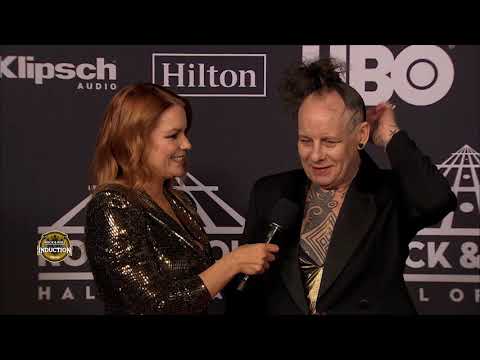
Porl Thompson
Born November 08, 1957

Reeves Gabrels
Born June 04, 1956

Robert Smith (Musician)
Born April 21, 1959

Simon Gallup
Born June 01, 1960
FAQ about The Cure
What genre is The Cure?
The Cure is commonly associated with Post-punk, Gothic rock, New wave, Alternative rock.
Where is The Cure from?
The Cure is from Crawley, West Sussex, England.
How many albums by The Cure are listed on musicOnOff?
musicOnOff currently lists 20 albums by The Cure.
