
Bloodflowers
by The Cure
Released: February 02, 2000
Gothic rock
Shop The Cure
Amazon affiliate linksWhy This Album Matters
This album matters because its strongest editorial story is: Breakthrough.
The Album
Bloodflowers is the eleventh studio album from the British rock band The Cure, released in February 2000. The album marks the return of David M. Allen as a repeat collaborator who had previously worked with the band on several of their breakthrough releases in the 1980s. The album was created to complete the trilogy that Robert Smith, the band's lead vocalist, and primary songwriter, had begun with Pornography and Disintegration.
Interesting Facts
The overarching theme of the trilogy as explained…
The overarching theme of the trilogy as explained by Smith is of 'morning, noon and night', with Bloodflowers representing the night.
Smith has gone on record to assert his…
Smith has gone on record to assert his sentimentality for the album, mentioning it as one of his favorites in the band's catalog.
Musically, the album has a darker and more…
Musically, the album has a darker and more melancholic tone, largely abandoning the pop sensibilities of their more recent releases, and takes inspiration from their earlier goth-rock roots.
Lyrically, the album explores themes of mortality, loss…
Lyrically, the album explores themes of mortality, loss, aging, and regret.
It was supported by the Dream Tour, which…
It was supported by the Dream Tour, which ran throughout most of 2000.
Essential Tracks
Bloodflowers
Bloodflowers is the eleventh studio album from the British rock band The Cure, released in February 2000.
Explore the Album
The Cure - Bloodflowers
Open in Albums Gallery
Reception
Despite receiving lukewarm responses from critics on its initial release, Bloodflowers has been reassessed more favorably in retrospect. The album was nominated for the Grammy Award for Best Alternative Music Performance in 2000 but did not win. Despite this, Bloodflowers has been cited by many hardcore fans and critics alike as one of the greatest albums in The Cure's discography.
The Complete Album Story
Bloodflowers is the eleventh studio album from the British rock band The Cure, released in February 2000. The album marks the return of David M. Allen as a repeat collaborator who had previously worked with the band on several of their breakthrough releases in the 1980s. Despite receiving lukewarm responses from critics on its initial release, Bloodflowers has been reassessed more favorably in retrospect.
The album was created to complete the trilogy that Robert Smith, the band's lead vocalist, and primary songwriter, had begun with Pornography and Disintegration. The overarching theme of the trilogy as explained by Smith is of 'morning, noon and night', with Bloodflowers representing the night.
Musically, the album has a darker and more melancholic tone, largely abandoning the pop sensibilities of their more recent releases, and takes inspiration from their earlier goth-rock roots. Lyrically, the album explores themes of mortality, loss, aging, and regret.
The album was nominated for the Grammy Award for Best Alternative Music Performance in 2000 but did not win. Despite this, Bloodflowers has been cited by many hardcore fans and critics alike as one of the greatest albums in The Cure's discography. It was supported by the Dream Tour, which ran throughout most of 2000. Smith has gone on record to assert his sentimentality for the album, mentioning it as one of his favorites in the band's catalog.
More Gothic rock Albums
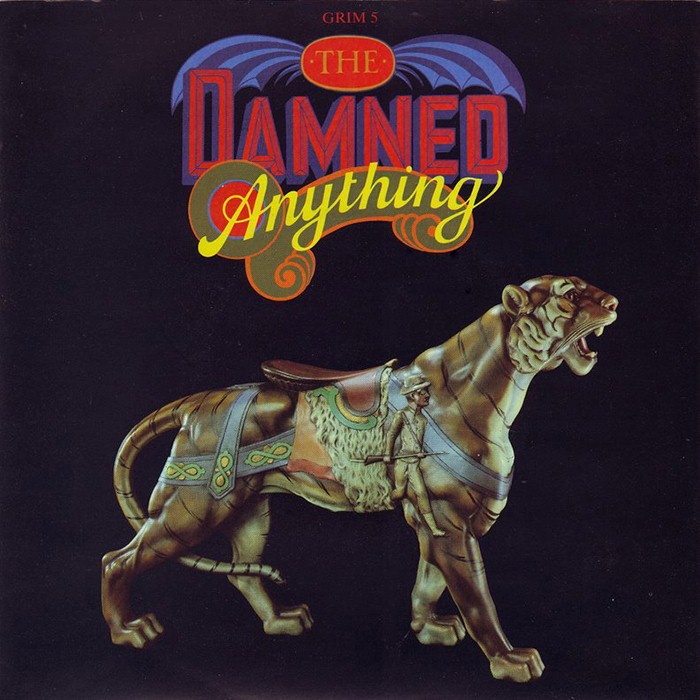 The Damned - Anything
 Dead Can Dance - Spleen and Ideal
 Pink Turns Blue - Ghost
 Peter Murphy - Lion
 The Sisters Of Mercy - Some Girls Wander by Mistake
 Christian Death - Deathwish
 Paradise Lost - Paradise Lost
 All About Eve - Ultraviolet
 The Sisters of Mercy - First and Last and Always
 The Lords of the New Church - Is Nothing Sacred?
 Alice Cooper - From the Inside
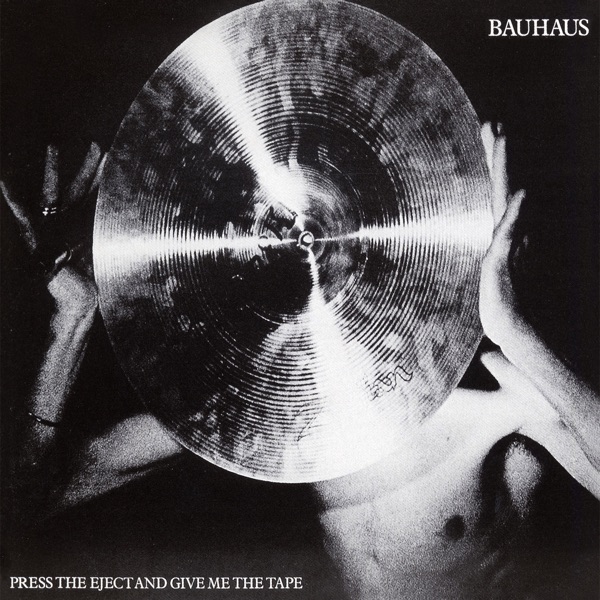 Bauhaus - Press the Eject and Give Me the Tape

Join the Conversation
Share your thoughts about this album.
Please log in to add a comment.
No comments yet. Be the first to comment.