Marvin Gaye
Overview
Marvin Gaye, born Marvin Pentz Gay Jr., was an American singer, songwriter, and record producer who became one of the most celebrated musical figures of his generation. He was born on April 2, 1939, in Washington, D.C., and developed an interest in music at a young age. Gaye's early years were heavily influenced by the church; his father was a minister, and much of his initial exposure to music was through gospel singing. He was known for his smooth and soulful voice and became a central figure in the Motown music scene in the 1960s and 1970s. His music addressed a wide range of themes, from romantic love and personal struggles to social issues and political concerns, which was somewhat revolutionary for the time. Marvin Gaye's career was marked by both overwhelming success and tragic moments. Known as the 'Prince of Motown' and the 'Prince of Soul,' his contributions to the genre are regarded as transformative. His life was cut abruptly short on April 1, 1984, when he was tragically shot by his father at their home in Los Angeles, an event that shook the music world and his many fans globally. Despite his untimely death, Marvin Gaye's music continues to influence artists across genres, and he is celebrated as a timeless icon of American music.
Formation and Early Years
Marvin Gaye's early life was difficult, marked by a strict and often troubled relationship with his father, Marvin Gay Sr. He grew up in the Fairfax Apartments in Washington, D.C., a community that was predominantly African American and was home to several church-based and community music programs. His early involvement in church choirs laid the groundwork for his vocal capabilities. Marvin attended Cardozo High School and heavily participated in the school's music scene, which helped him hone his talents further. During the late 1950s, Marvin Gaye joined several doo-wop vocal groups, including the Marquees and later Harvey and the New Moonglows, which provided his first taste of recording. His talents caught the eye of music entrepreneur Berry Gordy in the early 1960s, which resulted in Gaye signing with Gordy's Motown Records. His adoption into the Motown family led to his breakthrough as a solo artist. The transition from doo-wop to soul music marked a significant period in his early career, allowing him to explore a wider range of musical styles and themes. This formative time saw him learning from and collaborating with other Motown artists, establishing relationships that would serve him throughout his career. Gaye also tirelessly worked to develop his stage show, gaining a reputation for his charismatic performances and developing a fan base that would follow him through the diverse phases of his career.
Career Highlights
Marvin Gaye's career at Motown started with sessions as a drummer and singer, but his breakthrough came with the hit song 'Stubborn Kind of Fellow' in 1962. Throughout the 1960s, he enjoyed numerous hits, including 'How Sweet It Is (To Be Loved by You),' 'Ain't That Peculiar,' and 'I Heard It Through the Grapevine,' the latter being one of Motown's best-selling singles of the decade. Gaye's career reached new heights in 1971 with the release of the album 'What's Going On,' a landmark in American music and a major break from the Motown formula. The album delved into themes of war, poverty, and environmentalism, resonating with the social climate of the time. Produced predominantly by Gaye himself, it demonstrated his musical independence and vision. This success was followed by further hits in the 1970s, such as 'Let's Get It On,' 'Got to Give It Up,' and 'Sexual Healing,' showcasing his ability to reinvent his music while maintaining commercial success. Gaye won his first Grammy Award for 'Sexual Healing' in 1982, solidifying his status as a music legend. These achievements were interspersed with personal challenges, including struggles with depression, substance abuse, and turbulent relationships, but Gaye's talent and passion for music remained undiminished.
Musical Style
Marvin Gaye's musical style evolved significantly over his career, beginning with his early work in doo-wop and soul. He was known for his expressive vocal delivery that combined elements of gospel, jazz, and blues, creating a soulful sound that was both unique and relatable. His early hits exemplified the classic Motown sound, characterized by catchy melodies, lush orchestrations, and spiritually uplifting tones. Throughout the 1970s, Gaye's music took on a more introspective and experimental tone. The album 'What's Going On' showcased this evolution, introducing elements of jazz and classical music and combining socially conscious lyrics with smooth, hypnotic rhythms. This period of experimentation was marked by a greater use of multi-tracking and layered vocals, a technique Gaye pioneered, allowing him to harmonize with himself in complex arrangements. Gaye's music in the late 1970s and early 1980s incorporated more sensual themes, often blending elements of funk, disco, and soul. Songs like 'Let's Get It On' and 'Sexual Healing' exemplified his ability to convey passion and intimacy through music, utilizing rhythms and melodies that were both innovative and timeless.
Most Important Albums
Marvin Gaye's discography includes numerous albums that are essential to understanding his impact on music. The 1971 album 'What's Going On' is often cited as his magnum opus. It was a concept album that tackled pressing societal issues of the time, including inequality, war, and environmental destruction. The album's title track, along with 'Mercy Mercy Me (The Ecology)' and 'Inner City Blues (Make Me Wanna Holler),' remain timeless classics. Another pivotal album was 1973's 'Let's Get It On,' which cemented Gaye's reputation as a master of sensual expression in music. Combining soulful melodies with lyrical explorations of love and intimacy, it achieved critical and commercial success, with the title track becoming one of his most famous songs. In 1976, Gaye released 'I Want You,' which marked his transition into a smoother, more sophisticated sound. With a focus on romance and sensuality, the album demonstrated his ability to adapt and evolve within the soul and R&B genres. The album also signified Gaye's continued role as a pioneer in vocal harmonization and production techniques. 'Midnight Love' (1982), a standout album from later in his career, included the Grammy Award-winning hit single 'Sexual Healing.' This album showcased Gaye's versatility, merging contemporary pop and R&B influences with his signature soulful style.
Legacy and Influence
Marvin Gaye's legacy is defined by his profound influence on music, his courageous exploration of social issues through his art, and his innovative contributions to the soul genre. He is often credited with helping to pave the way for greater artistic control and freedom for African American musicians, especially within the Motown framework that initially prioritized assembly-line production. Gaye's ability to address complex topics such as social inequality and environmental concerns in a commercially successful format proved that popular music could be both artful and impactful. His pioneering use of multi-tracked vocals and complex arrangements has inspired generations of artists, transcending genres from soul and R&B to hip-hop and pop. Gaye's music has been sampled extensively, with his influence evident in the works of artists like Stevie Wonder, Prince, and more contemporary figures such as Pharrell Williams, who have cited Gaye as a significant inspiration. Gaye's soulful sound, characterized by deep emotion and technical proficiency, remains a benchmark for vocalists. His work has earned numerous posthumous honors, including induction into the Rock and Roll Hall of Fame and several Grammy Hall of Fame awards. Marvin Gaye's music continues to be celebrated for its artistry and authenticity, solidifying his place as an enduring icon in the music world.
Albums by Marvin Gaye

Vulnerable (Marvin Gaye album)
April 22, 1997
Traditional pop, soul jazz, R&B

Midnight Love
November 08, 1982
Soul, funk, reggae, R&B, boogie

In Our Lifetime
January 15, 1981
Soul, funk, jazz

Here, My Dear
December 15, 1978
Soul, funk

Live at the London Palladium
March 15, 1977
Soul, funk, disco

I Want You
March 16, 1976
Soul, funk, quiet storm, jazz-funk

Marvin Gaye Live!
June 19, 1974
Soul

Diana & Marvin
October 26, 1973
Soul, smooth soul, R&B
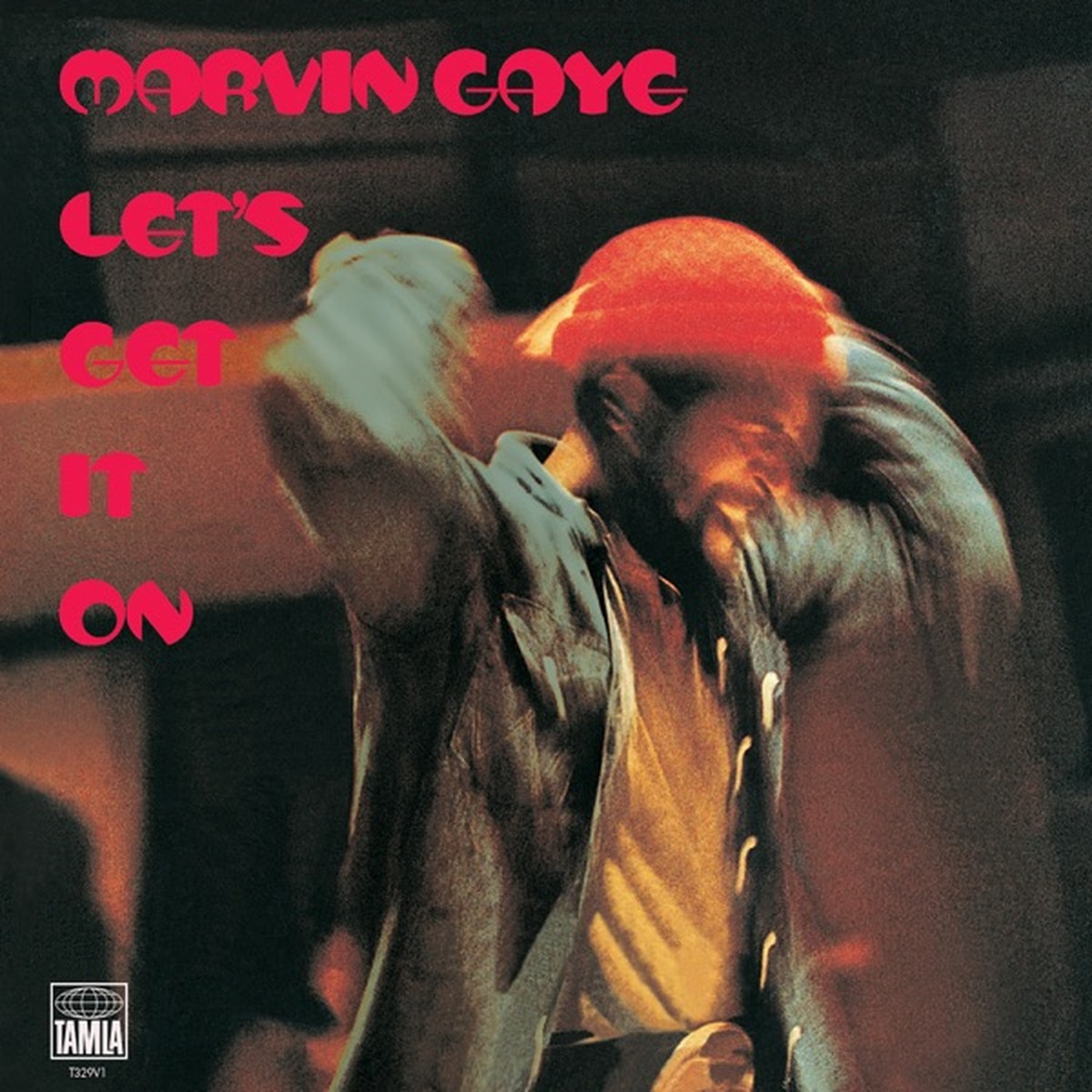
Let's Get It On
August 28, 1973
Soul, R&B

What's Going On
May 21, 1971
Soul, R&B, progressive soul, psychedelic soul
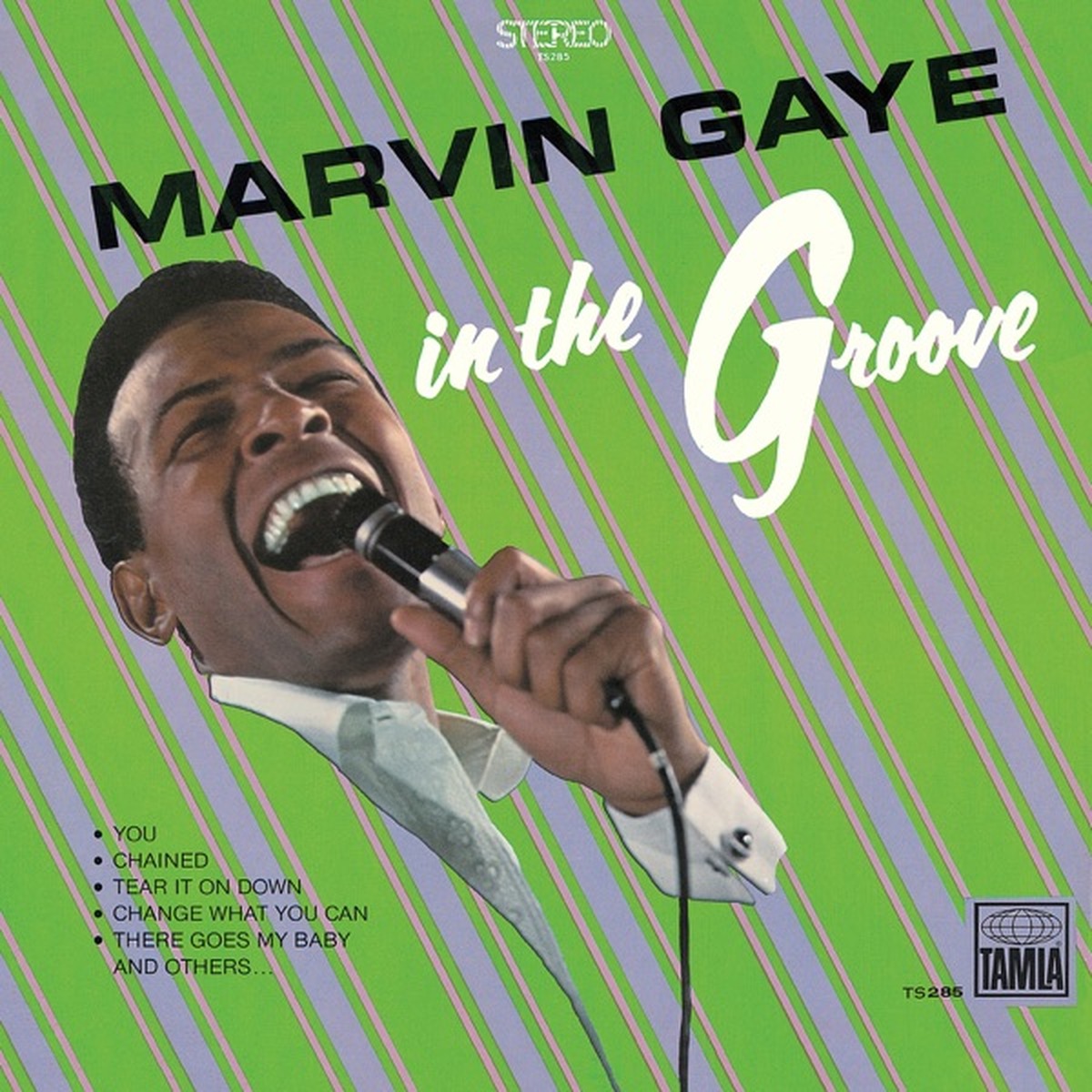
In the Groove
August 26, 1968
Soul

The Soulful Moods of Marvin Gaye
June 08, 1961
Jazz, traditional pop, R&B
Musicians / Members connected to Marvin Gaye

FAQ about Marvin Gaye
What genre is Marvin Gaye?
Marvin Gaye is commonly associated with Soul, R&B, Funk, Jazz, Pop.
Where is Marvin Gaye from?
Marvin Gaye is from Washington, D.C., United States.
How many albums by Marvin Gaye are listed on musicOnOff?
musicOnOff currently lists 12 albums by Marvin Gaye.
