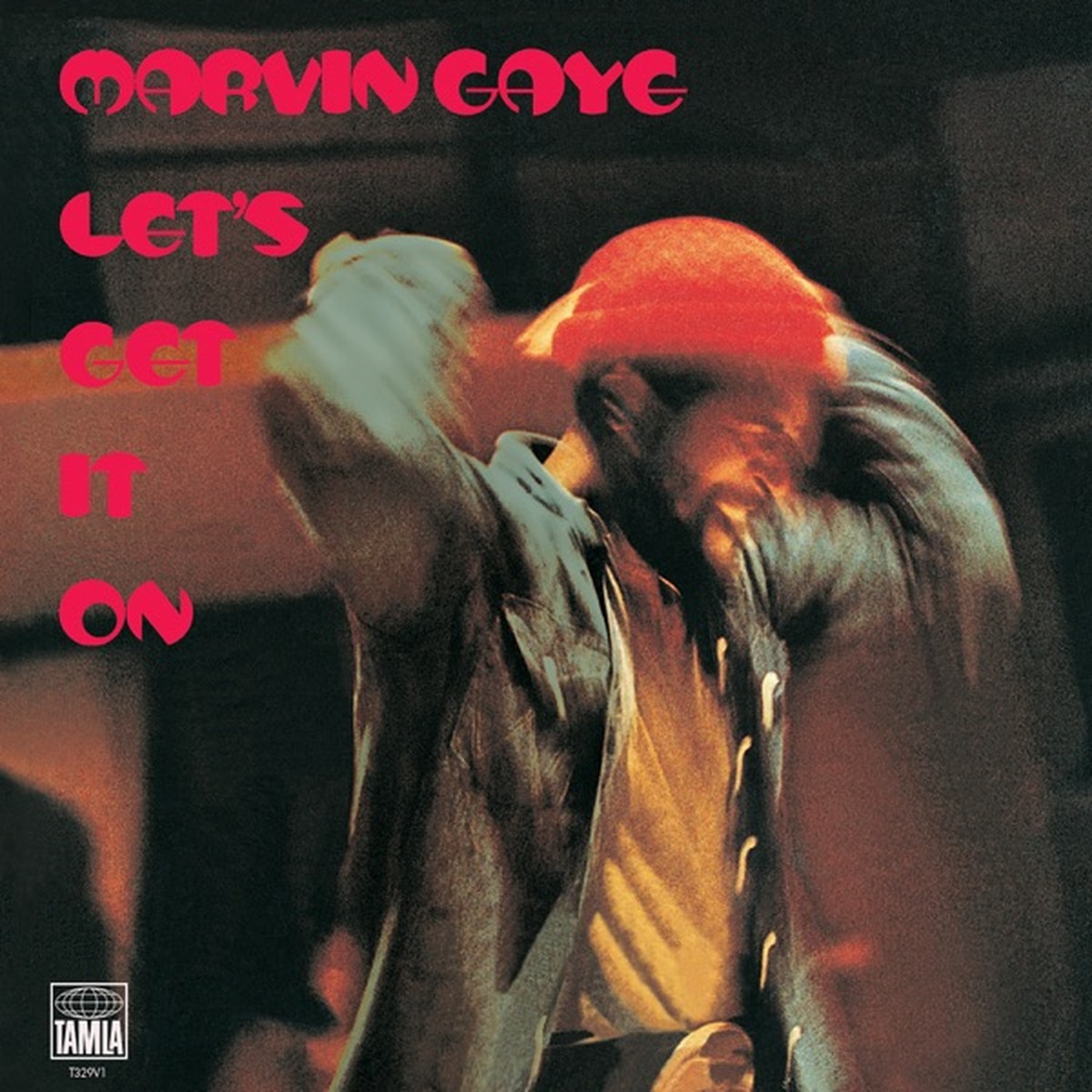
Let's Get It On
by Marvin Gaye
Released: August 28, 1973
Soul, R&B
Shop Marvin Gaye
Amazon affiliate linksWhy This Album Matters
The central hook was verified through two independent accounts containing first-hand evidence. In a 1991 interview later published by former Motown executive Adam White, Townsend said directly that he wrote the tune at an alcohol rehabilitation center and that it concerned “the business of life”; he also described presenting the material to Gaye and producing the sessions. ([adampwhite.com](https://www.adampwhite.com/westgrandblog/townsend-tales)) Mix independently quoted Townsend’s deluxe-edition liner-note account that the song was written in rehab as a message about getting on with life; engineer Art Stewart and reissue producer Harry Weinger supplied first-hand recording details, including the single-take lead and Townsend’s “sanctify” suggestion. ([mixonline.com](https://www.mixonline.com/recording/classic-tracks-marvin-gayes-lets-get-it-365033)) Oxford American corroborated the original spiritual concept and reported direct interviews with Mound Bayou singers Sylvester Hogan and Hermon Johnson about the rehearsals and Hogan’s declined invitation to record in California. ([oxfordamerican.org](https://oxfordamerican.org/magazine/issue-93-summer-2016/natural-resources)) Stereogum independently corroborated the progression from Townsend’s rehab-era concept through a political draft to the romantic rewrite by Gaye and Townsend. ([stereogum.com](https://stereogum.com/2039999/the-number-ones-marvin-gayes-lets-get-it-on/columns/the-number-ones))
The Album
"Let's Get It On" is the twelfth studio album by American soul singer Marvin Gaye, released on August 28, 1973, by Tamla Records, a Motown subsidiary. This combination led to the album being described as "one of the most sexually charged albums ever recorded." Gaye integrated themes of spiritual healing into his songs about sex and romance, partly as a way to cope with the impact of childhood abuse from his father, Marvin Gay Sr. Following the success of his socially conscious album What's Going On (1971), Let's Get It On established Gaye as a sex symbol and broadened his mainstream appeal. In 2001, it was reissued by Motown as a two-CD deluxe edition, and in 2023, it was reissued with additional material for its 50th anniversary.
Inside the Recording
The album's erotic balladry, multi-tracking of Gaye’s vocals, and seductive funk sound influenced later R&B artists and producers, with the title track helping pioneer the slow jam and quiet storm formats.
Interesting Facts
It marked Gaye's first foray into the funk…
It marked Gaye's first foray into the funk genre, while also blending smooth soul and doo-wop styles with sexually suggestive lyrics.
Explore the Album
Marvin Gaye - Let's Get It On
Open in Albums Gallery
Reception
The album was recorded from June 1970 to July 1973 at Hitsville U.S.A. and Golden World Studio in Detroit, and at Hitsville West in Los Angeles. The album produced three successful singles: the title track, "Come Get to This," and "You Sure Love to Ball." It became Gaye's most commercially successful album at Motown, resulting in increased creative control for him. Let's Get It On is considered a landmark in soul music, boosting the popularity of funk in the 1970s and marking a shift from Motown's previous "Motown Sound." It is frequently listed among the greatest albums of all time and was inducted into the Grammy Hall of Fame.
Legacy
Let's Get It On is considered a landmark in soul music, boosting the popularity of funk in the 1970s and marking a shift from Motown's previous "Motown Sound." It is frequently listed among the greatest albums of all time and was inducted into the Grammy Hall of Fame.
The Complete Album Story
"Let's Get It On" is the twelfth studio album by American soul singer Marvin Gaye, released on August 28, 1973, by Tamla Records, a Motown subsidiary.
The album was recorded from June 1970 to July 1973 at Hitsville U.S.A. and Golden World Studio in Detroit, and at Hitsville West in Los Angeles. It marked Gaye's first foray into the funk genre, while also blending smooth soul and doo-wop styles with sexually suggestive lyrics. This combination led to the album being described as "one of the most sexually charged albums ever recorded." Gaye integrated themes of spiritual healing into his songs about sex and romance, partly as a way to cope with the impact of childhood abuse from his father, Marvin Gay Sr.
Following the success of his socially conscious album What's Going On (1971), Let's Get It On established Gaye as a sex symbol and broadened his mainstream appeal. The album produced three successful singles: the title track, "Come Get to This," and "You Sure Love to Ball." It became Gaye's most commercially successful album at Motown, resulting in increased creative control for him. The album's erotic balladry, multi-tracking of Gaye’s vocals, and seductive funk sound influenced later R&B artists and producers, with the title track helping pioneer the slow jam and quiet storm formats.
Let's Get It On is considered a landmark in soul music, boosting the popularity of funk in the 1970s and marking a shift from Motown's previous "Motown Sound." It is frequently listed among the greatest albums of all time and was inducted into the Grammy Hall of Fame. In 2001, it was reissued by Motown as a two-CD deluxe edition, and in 2023, it was reissued with additional material for its 50th anniversary.
More Soul Albums
 The Jacksons - Destiny
 Wham! - Make It Big
 Michael Jackson - Michael Jackson's This Is It
 Ike & Tina Turner - Nutbush City Limits album
 Fine Young Cannibals - The Raw & the Cooked
 Stevie Wonder - A Time to Love
 Laura Nyro - Eli and the Thirteenth Confession
 Frank Ocean - Channel Orange
 Stevie Wonder - Stevie at the Beach
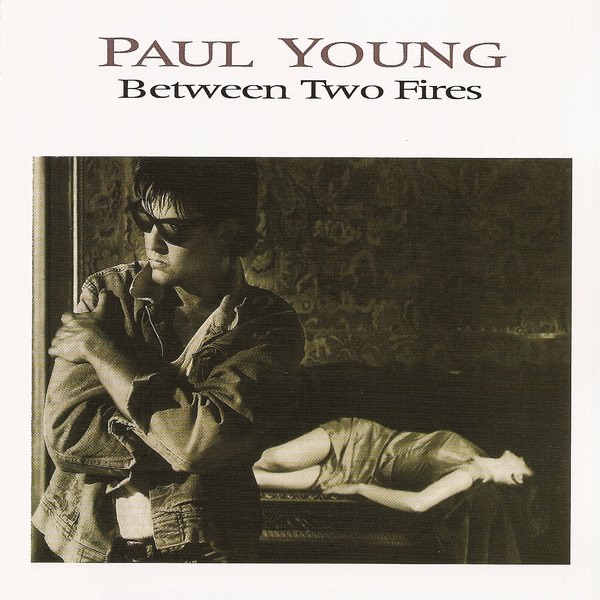 Paul Young - Between Two Fires
 Whitney Houston - Whitney Houston Live: Her Greatest Performances
 The Walker Brothers - Images

Join the Conversation
Share your thoughts about this album.
Please log in to add a comment.
No comments yet. Be the first to comment.