
The Black-Man's Burdon
by War
Released: December 16, 1970
Funk rock, psychedelic funk, psychedelic rock
Shop War
Amazon affiliate linksWhy This Album Matters
This album matters because its strongest editorial story is: Experimental Album.
The Album
The album remains a significant part of War's discography, highlighting their experimental approach to blending genres and themes. "The Black-Man's Burdon" is a double album released by Eric Burdon and War in December 1970 on MGM Records. It marked the final album by the group before Eric Burdon departed and the remaining band continued as War.
Interesting Facts
The album's title is a play on "The…
The album's title is a play on "The Black Man's Burden," a phrase referencing black slavery, which contrasts with Rudyard Kipling's poem "The White Man's Burden." The album includes two suites based on songs by other artists: "Paint It Black" by The Rolling Stones and "Nights in White Satin" by The Moody Blues.
These suites are expanded with additional sections composed…
These suites are expanded with additional sections composed by the group, and the album features mostly instrumental tracks, interspersed with Eric Burdon's recitation of the poem "P.C. 3" over music.
Richie Unterberger of Allmusic described it as a…
Richie Unterberger of Allmusic described it as a work where War "mapped out much of the jazz/Latin/soul grooves" they would become known for.
"They Can't Take Away Our Music" was the…
"They Can't Take Away Our Music" was the album's single release, paired with "Home Cookin'".
Explore the Album
War - The Black-Man's Burdon
Open in Albums Gallery
Reception
Critically, the album is noted for its sprawling psychedelic funk jams, showcasing War's fusion of jazz, Latin, and soul influences.
The Complete Album Story
"The Black-Man's Burdon" is a double album released by Eric Burdon and War in December 1970 on MGM Records. It marked the final album by the group before Eric Burdon departed and the remaining band continued as War.
The album's title is a play on "The Black Man's Burden," a phrase referencing black slavery, which contrasts with Rudyard Kipling's poem "The White Man's Burden." The album includes two suites based on songs by other artists: "Paint It Black" by The Rolling Stones and "Nights in White Satin" by The Moody Blues. These suites are expanded with additional sections composed by the group, and the album features mostly instrumental tracks, interspersed with Eric Burdon's recitation of the poem "P.C. 3" over music.
Critically, the album is noted for its sprawling psychedelic funk jams, showcasing War's fusion of jazz, Latin, and soul influences. Richie Unterberger of Allmusic described it as a work where War "mapped out much of the jazz/Latin/soul grooves" they would become known for.
"They Can't Take Away Our Music" was the album's single release, paired with "Home Cookin'". The album remains a significant part of War's discography, highlighting their experimental approach to blending genres and themes.
More Funk rock Albums
 Three Dog Night - It Ain't Easy (Three Dog Night album)
 Sly And The Family Stone - Stand!
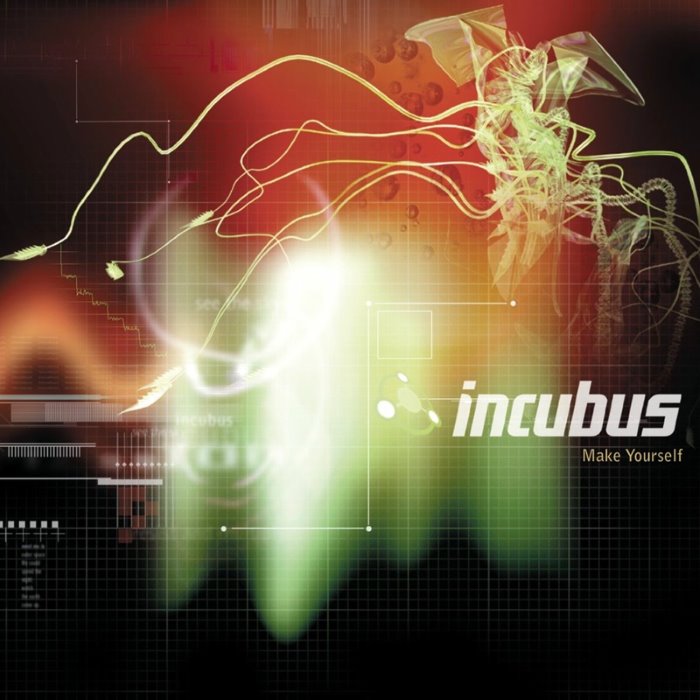 Incubus - Make Yourself
 Rush - Roll the Bones
 Tom Tom Club - Dark Sneak Love Action
 Maroon 5 - Songs About Jane
 Japan - Adolescent Sex
 Santana - Amigos
 Beastie Boys - The Mix-Up
 Budgie - Impeckable
 Primus - Antipop

Join the Conversation
Share your thoughts about this album.
Please log in to add a comment.
No comments yet. Be the first to comment.