
Come Taste the Band
by Deep Purple
Released: November 07, 1975
Hard rock, funk rock
Shop Deep Purple
Amazon affiliate linksWhy This Album Matters
This album matters because its strongest editorial story is: Experimental Album.
The Album
It marked a significant departure from the band's earlier sound, with stronger influences of funk and blues, and was their final studio album before their initial disbandment in 1976. The strain caused by these personal problems, along with Bolin's limited familiarity with Deep Purple's music and style, meant that the band’s performance was a challenging one. This album was also the only release by the Mark IV lineup of Deep Purple, featuring Tommy Bolin on guitar, replacing Ritchie Blackmore, and it was the last of three albums to feature David Coverdale on lead vocals and Glenn Hughes on bass and vocals.
Inside the Recording
The songs were recorded at Musicland Studios in Munich, Germany, and the process was impacted by the band's substance abuse problems, notably Bolin's heroin addiction and Hughes' cocaine issues.
Interesting Facts
"Come Taste the Band" is the tenth studio…
"Come Taste the Band" is the tenth studio album by the English rock band Deep Purple, released on November 7, 1975.
The album's music saw the band moving into…
The album's music saw the band moving into more funk and blues territory, while still maintaining some of their signature hard rock elements, though many of the band's fans found the shift a radical one.
The album's production was co-handled by Martin Birch…
The album's production was co-handled by Martin Birch and the band, with most of the material written by Coverdale and Bolin.
Notably, Hughes sang significantly less than on previous…
Notably, Hughes sang significantly less than on previous albums, with Bolin contributing vocals on some tracks.
Unfortunately, the band's internal issues, especially related to…
Unfortunately, the band's internal issues, especially related to drug addiction, led to their breakup shortly after the album's release.
Explore the Album
Deep Purple - Come Taste the Band
Open in Albums Gallery
Reception
However, its commercial success was lower compared to previous albums, with the album only reaching No. 19 in the UK and No. 43 in the US. Despite receiving mixed reviews, Come Taste the Band was praised for the band's stylistic reinvention.
Legacy
It is also regarded as one of the band's more experimental efforts, continuing the funk direction of their previous album, Stormbringer, but also hinting at their earlier progressive rock roots.
The Complete Album Story
"Come Taste the Band" is the tenth studio album by the English rock band Deep Purple, released on November 7, 1975. It marked a significant departure from the band's earlier sound, with stronger influences of funk and blues, and was their final studio album before their initial disbandment in 1976. This album was also the only release by the Mark IV lineup of Deep Purple, featuring Tommy Bolin on guitar, replacing Ritchie Blackmore, and it was the last of three albums to feature David Coverdale on lead vocals and Glenn Hughes on bass and vocals.
The album's production was co-handled by Martin Birch and the band, with most of the material written by Coverdale and Bolin. The songs were recorded at Musicland Studios in Munich, Germany, and the process was impacted by the band's substance abuse problems, notably Bolin's heroin addiction and Hughes' cocaine issues. The strain caused by these personal problems, along with Bolin's limited familiarity with Deep Purple's music and style, meant that the band’s performance was a challenging one. Notably, Hughes sang significantly less than on previous albums, with Bolin contributing vocals on some tracks. The album's music saw the band moving into more funk and blues territory, while still maintaining some of their signature hard rock elements, though many of the band's fans found the shift a radical one.
Despite receiving mixed reviews, Come Taste the Band was praised for the band's stylistic reinvention. However, its commercial success was lower compared to previous albums, with the album only reaching No. 19 in the UK and No. 43 in the US. It is also regarded as one of the band's more experimental efforts, continuing the funk direction of their previous album, Stormbringer, but also hinting at their earlier progressive rock roots. Unfortunately, the band's internal issues, especially related to drug addiction, led to their breakup shortly after the album's release. Tommy Bolin, who had a significant influence on the album, tragically died of a drug overdose just months after Deep Purple's split.
More Hard rock Albums
 Van Halen - Van Halen III
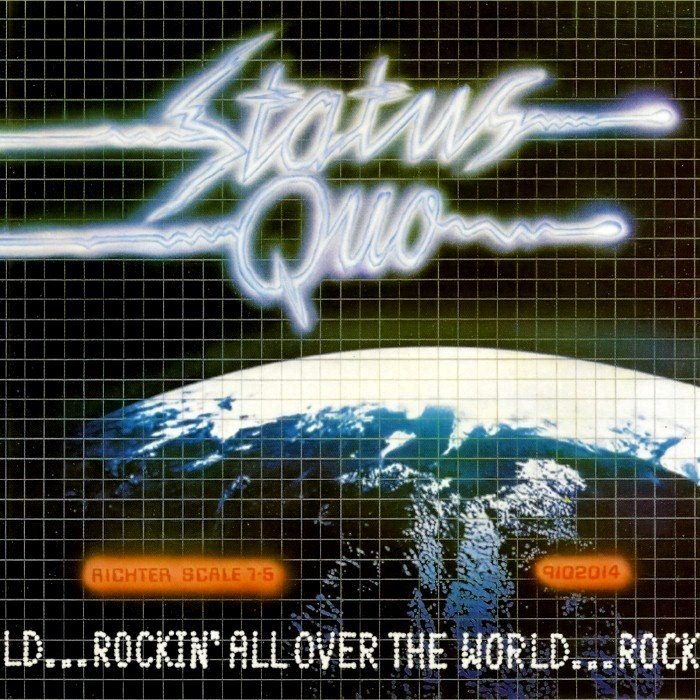 Status Quo - Rockin' All Over the World
 The Black Crowes - Three Snakes and One Charm
 The Cult - Ceremony
 Uriah Heep - Fallen Angel (Uriah Heep album)
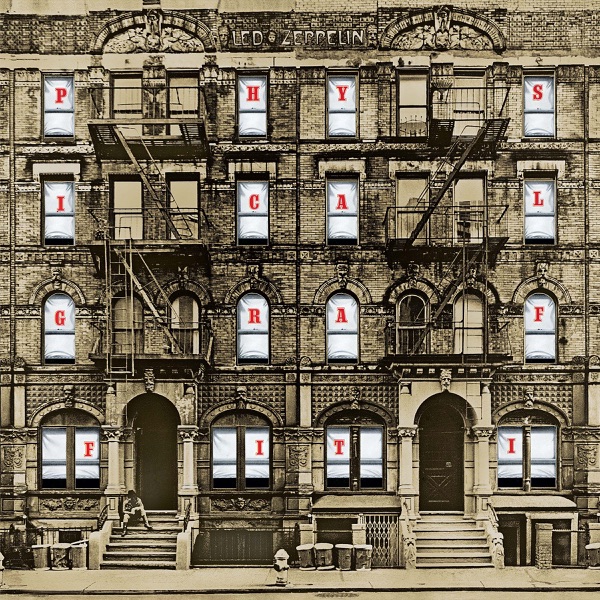 Led Zeppelin - Physical Graffiti
 Alice Cooper - Killer (Alice Cooper album)
 Wishbone Ash - New England
 Scorpions - Crazy World
 Deep Purple - Infinite (Deep Purple album)
 Oasis - Dig Out Your Soul

Join the Conversation
Share your thoughts about this album.
Please log in to add a comment.
No comments yet. Be the first to comment.