
Tin Machine (album)
by Tin Machine
Released: May 22, 1989
Rock, hard rock, art rock, noise rock
Shop Tin Machine
Amazon affiliate linksWhy This Album Matters
This album matters because its strongest editorial story is: Experimental Album.
The Album
The album's unconventional approach and departure from Bowie's previous work polarized some fans but garnered praise from others for its boldness and innovation. "Tin Machine" marked the beginning of a short-lived but influential period in Bowie's career, during which he experimented with a more collaborative and democratic approach to music-making. While the Tin Machine project would ultimately be short-lived, with only two studio albums released, it remains a fascinating chapter in Bowie's discography and a testament to his willingness to take creative risks.
Interesting Facts
The album features a raw and aggressive rock…
The album features a raw and aggressive rock sound, influenced by alternative and hard rock styles of the late 1980s.
"Tin Machine" is the eponymous debut album by…
"Tin Machine" is the eponymous debut album by the band Tin Machine, released in 1989.
Standout tracks include "Under the God," "Heaven's in…
Standout tracks include "Under the God," "Heaven's in Here," and "Tin Machine," which showcase the band's energetic performances and socially conscious lyrics.
Explore the Album
Tin Machine - Tin Machine (album)
Open in Albums Gallery
Reception
The band, consisting of David Bowie on vocals and guitar, Reeves Gabrels on guitar, Tony Sales on bass, and Hunt Sales on drums, marked a departure from Bowie's solo work and aimed to create a more collaborative and experimental sound. Despite receiving mixed reviews from critics upon its release, "Tin Machine" was a commercial success, reaching the top ten in several countries.
The Complete Album Story
"Tin Machine" is the eponymous debut album by the band Tin Machine, released in 1989. The band, consisting of David Bowie on vocals and guitar, Reeves Gabrels on guitar, Tony Sales on bass, and Hunt Sales on drums, marked a departure from Bowie's solo work and aimed to create a more collaborative and experimental sound.
The album features a raw and aggressive rock sound, influenced by alternative and hard rock styles of the late 1980s. Standout tracks include "Under the God," "Heaven's in Here," and "Tin Machine," which showcase the band's energetic performances and socially conscious lyrics.
Despite receiving mixed reviews from critics upon its release, "Tin Machine" was a commercial success, reaching the top ten in several countries. The album's unconventional approach and departure from Bowie's previous work polarized some fans but garnered praise from others for its boldness and innovation.
"Tin Machine" marked the beginning of a short-lived but influential period in Bowie's career, during which he experimented with a more collaborative and democratic approach to music-making. While the Tin Machine project would ultimately be short-lived, with only two studio albums released, it remains a fascinating chapter in Bowie's discography and a testament to his willingness to take creative risks.
More Rock Albums
 Chuck Berry - Chuck Berry Is on Top
 Hawkwind - In Search of Space
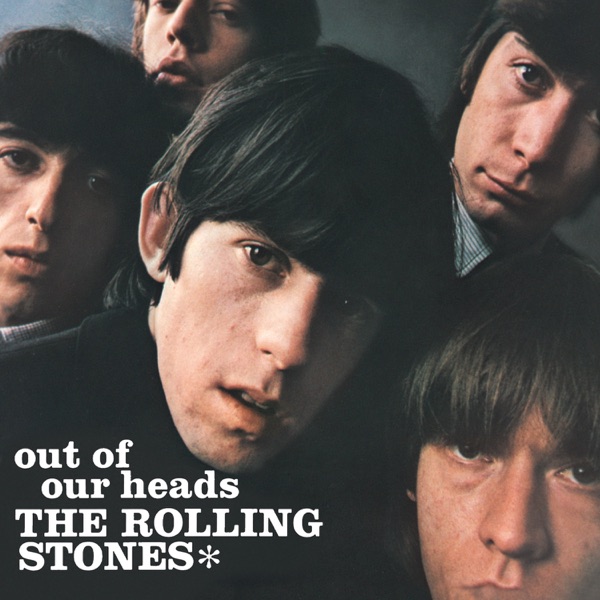 The Rolling Stones - Out of Our Heads
 Can - Soon Over Babaluma
 Jeff Wayne - Musical Version of The War of the Worlds
 Nine Inch Nails - Add Violence
 Blue Öyster Cult - Spectres
 Mountain - Mystic Fire
 Journey - Infinity
 Poco - Legacy

Join the Conversation
Share your thoughts about this album.
Please log in to add a comment.
No comments yet. Be the first to comment.