
Hit to Death in the Future Head
by The Flaming Lips
Released: August 11, 1992
Shoegazing, alternative rock, neo-psychedelia, noise pop
Shop The Flaming Lips
Amazon affiliate linksThe Album
"Hit to Death in the Future Head" is the fifth studio album by American rock band the Flaming Lips, released on August 11, 1992, by Warner Bros. "Talkin' 'Bout the Smiling Deathporn Immortality Blues (Everyone Wants to Live Forever)" was released as the lead track on the EP Yeah, I Know It's a Drag... The title provided the inspiration for the name of the British band the Futureheads.
Essential Tracks
You Have to Be Joking (Autopsy of the Devil's Brain)
Recorded in 1991 by the same lineup that had been featured on In a Priest Driven Ambulance, the album's release was delayed for nearly a year due to the use of a sample from Michael Kamen's score for the film Brazil in the track "You Have to Be Joking (Autopsy of the Devil's Brain)", which required a lengthy clearance process.
Explore the Album
The Flaming Lips - Hit to Death in the Future Head
Open in Albums Gallery
The Complete Album Story
"Hit to Death in the Future Head" is the fifth studio album by American rock band the Flaming Lips, released on August 11, 1992, by Warner Bros. Records. "Talkin' 'Bout the Smiling Deathporn Immortality Blues (Everyone Wants to Live Forever)" was released as the lead track on the EP Yeah, I Know It's a Drag... But Wastin' Pigs Is Still Radical to promote the album. The title provided the inspiration for the name of the British band the Futureheads.
Recorded in 1991 by the same lineup that had been featured on In a Priest Driven Ambulance, the album's release was delayed for nearly a year due to the use of a sample from Michael Kamen's score for the film Brazil in the track "You Have to Be Joking (Autopsy of the Devil's Brain)", which required a lengthy clearance process. During the intervening period, both Nathan Roberts and Jonathan Donahue left the band (the latter resuming his duties in Mercury Rev). By the time of the album's release, both Steven Drozd and Ronald Jones had joined and performed on the subsequent tour.
The album is known for a particularly long hidden track at the end of the CD that consists of a continuous burst of staccato noise that pans from channel to channel and lasts for nearly a half-hour. This track is omitted from the vinyl release, possibly due to time constraints.
More Shoegazing Albums
 Curve - Gift
 The Verve - Voyager 1
 Lush - Gala
 Ride - Smile (Ride album)
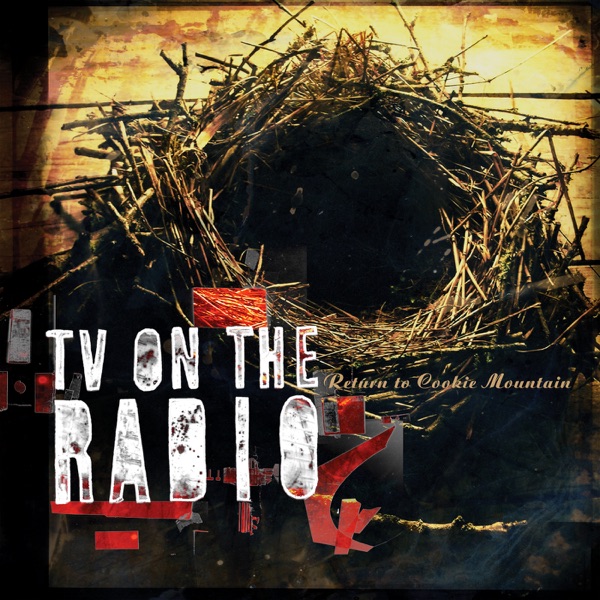 TV on the Radio - Return to Cookie Mountain
 Slowdive - Slowdive (EP)
 Yo La Tengo - President Yo La Tengo
 Lush - Spooky
 Lush - Split (Lush album)
 Deerhunter - Cryptograms

Join the Conversation
Share your thoughts about this album.
Please log in to add a comment.
No comments yet. Be the first to comment.