
Green
by R.E.M.
Released: November 07, 1988
Bubblegum, experimental
Shop R.E.M.
Amazon affiliate linksWhy This Album Matters
This album matters because its strongest editorial story is: Experimental Album.
The Album
In celebration of the album’s 25th anniversary, Green was reissued in 2013 as a deluxe edition, featuring remastered versions of the original tracks as well as unreleased demos and live performances. Green represents a pivotal moment in R.E.M.'s career, as it was the band’s first release on a major label and a bold experiment in both musical and lyrical content. "Green" is the sixth studio album by American rock band R.E.M., released on November 7, 1988, by Warner Bros.
Inside the Recording
Produced by the band and Scott Litt, Green saw R.E.M. experimenting with new sounds, incorporating mandolin, accordion, and other instruments into their repertoire, while moving away from their previous jangle pop and college rock style. The demos were recorded in two configurations—one with drums, guitar, and bass, and the other featuring percussion, mandolin, and accordion. R.E.M. recorded the basic tracks for Green at Ardent Studios in Memphis, Tennessee, from May to July 1988, with Scott Litt returning as producer.
Interesting Facts
It was the band's first album for a…
It was the band's first album for a major label after their departure from I.R.S. Records and marked a significant shift in their musical style.
The album’s experimental nature, particularly with its new…
The album’s experimental nature, particularly with its new sound and instruments, was described by bassist Mike Mills as “haphazard” and “scattershot.” In particular, Buck's use of the mandolin, which had become an obsession for him during this period, is evident on several tracks.
The packaging was unique for its time, with…
The packaging was unique for its time, with promotional copies of the album being housed in a mauve-colored, cloth-covered digipack, featuring the album title and artist debossed, and a number "4" embossed over both of the "R"s in "R.E.M." The number 4 was meant to evoke the band’s previous album titles, and there was a mistaken printing of "4.
Frustrated by the lack of adequate overseas distribution…
Frustrated by the lack of adequate overseas distribution and feeling pressured to meet commercial expectations, the band decided to leave I.R.S. for Warner Bros.
Records, signing a lucrative deal estimated to be…
Records, signing a lucrative deal estimated to be between $6 million and $12 million.
Explore the Album
R.E.M. - Green
Open in Albums Gallery
Reception
The album’s success, both critically and commercially, proved that the band could successfully transition to a new phase in their career without sacrificing their creative integrity. It peaked at number 12 on the US Billboard 200 and number 10 on the UK Albums Chart. The album was a critical and commercial success, and it was supported by an 11-month world tour and four singles: "Orange Crush," "Stand," "Pop Song 89," and "Get Up." R.E.M.'s contract with I.R.S. Records ended with the release of Document in 1987.
The Complete Album Story
"Green" is the sixth studio album by American rock band R.E.M., released on November 7, 1988, by Warner Bros. Records. It was the band's first album for a major label after their departure from I.R.S. Records and marked a significant shift in their musical style. Produced by the band and Scott Litt, Green saw R.E.M. experimenting with new sounds, incorporating mandolin, accordion, and other instruments into their repertoire, while moving away from their previous jangle pop and college rock style. The album was a critical and commercial success, and it was supported by an 11-month world tour and four singles: "Orange Crush," "Stand," "Pop Song 89," and "Get Up."
R.E.M.'s contract with I.R.S. Records ended with the release of Document in 1987. Frustrated by the lack of adequate overseas distribution and feeling pressured to meet commercial expectations, the band decided to leave I.R.S. for Warner Bros. Records, signing a lucrative deal estimated to be between $6 million and $12 million. One of the key reasons for choosing Warner Bros. was the label’s promise of complete creative freedom. This decision prompted some accusations from fans that the band was "selling out," which R.E.M. defended by explaining that their new label would not impose the same commercial pressures they had felt with I.R.S.
In early 1988, the band began recording demos for the album at Robbie Collins' Underground Sound Recording Studio in Athens, Georgia. The demos were recorded in two configurations—one with drums, guitar, and bass, and the other featuring percussion, mandolin, and accordion. Michael Stipe used these demos to shape his vocal arrangements. Several tracks from these sessions, including "Larry Graham" and "Title," were never officially released.
R.E.M. recorded the basic tracks for Green at Ardent Studios in Memphis, Tennessee, from May to July 1988, with Scott Litt returning as producer. Further recording and mixing took place at Bearsville Sound Studios in New York. During this period, three songs—"Carnival" and two untitled tracks—were recorded but were ultimately not included on the final album. Green was released just a few months later, in November 1988.
Green marked a departure from R.E.M.'s previous work, which had been characterized by minor-key, mid-tempo rock songs. Peter Buck described the album as a departure from "typical R.E.M. songs," featuring more major-key rock tracks. The band also began experimenting more with different instruments, with Peter Buck playing the mandolin and other instruments typically not associated with R.E.M. The album features three distinct musical strands: ironic pop songs like "Stand" and "Pop Song 89," harder-hitting tracks like "Orange Crush" and "Turn You Inside-Out," and pastoral acoustic numbers with mandolin, cello, and other elements.
The album’s experimental nature, particularly with its new sound and instruments, was described by bassist Mike Mills as “haphazard” and “scattershot.” In particular, Buck's use of the mandolin, which had become an obsession for him during this period, is evident on several tracks. The album’s combination of pop, rock, and acoustic elements helped the band achieve an eclectic sound that was different from their previous albums.
R.E.M. had originally envisioned Green to have two distinct sides: one side featuring electric rock songs and the other featuring acoustic material. However, the lack of enough acoustic material that fit the band’s new direction led to this concept being scrapped. As a result, the album is a blend of electric rock with some acoustic touches, but it doesn’t strictly follow the intended format.
The cover art for Green was created by New York minimalist artist Jon McCafferty. The packaging was unique for its time, with promotional copies of the album being housed in a mauve-colored, cloth-covered digipack, featuring the album title and artist debossed, and a number "4" embossed over both of the "R"s in "R.E.M." The number 4 was meant to evoke the band’s previous album titles, and there was a mistaken printing of "4. Stand" on the tracklisting of the first pressings, due to an early typing error.
Green was the first R.E.M. album to feature printed lyrics, though the lyrics were only provided for the song "World Leader Pretend."
Upon its release, Green received widespread acclaim from critics and was a commercial success. It peaked at number 12 on the US Billboard 200 and number 10 on the UK Albums Chart. The album was also certified gold in the UK and went on to achieve platinum status in the United States. The singles "Orange Crush" and "Stand" were particularly successful, with "Orange Crush" becoming one of R.E.M.'s most well-known tracks.
The success of Green helped solidify R.E.M.'s place as one of the leading alternative rock bands of the 1980s and 1990s, paving the way for their future commercial success with albums like Out of Time (1991) and Automatic for the People (1992). The album’s experimentation with new sounds, instruments, and song structures marked a significant step forward for the band, and it remains one of R.E.M.'s most beloved records.
In celebration of the album’s 25th anniversary, Green was reissued in 2013 as a deluxe edition, featuring remastered versions of the original tracks as well as unreleased demos and live performances.
Green represents a pivotal moment in R.E.M.'s career, as it was the band’s first release on a major label and a bold experiment in both musical and lyrical content. The album’s success, both critically and commercially, proved that the band could successfully transition to a new phase in their career without sacrificing their creative integrity. Through their exploration of new sounds and musical ideas, R.E.M. solidified their reputation as one of the most innovative and influential bands of their generation.
More Bubblegum Albums
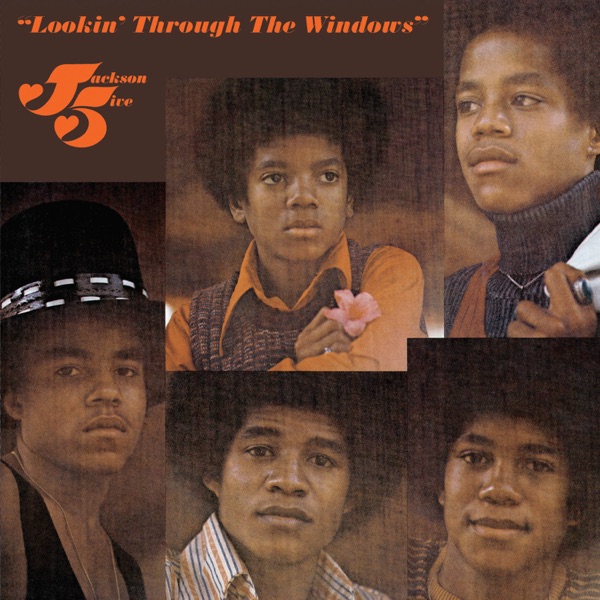 The Jackson 5 - Lookin' Through the Windows
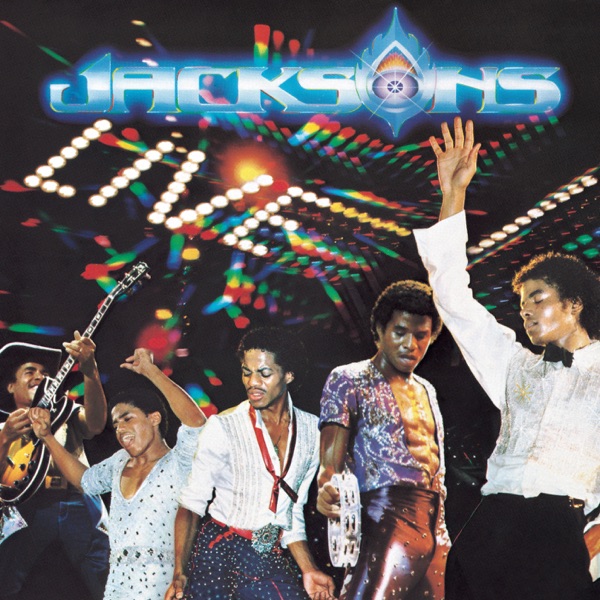 The Jacksons - The Jacksons Live!
 Britney Spears - ...Baby One More Time
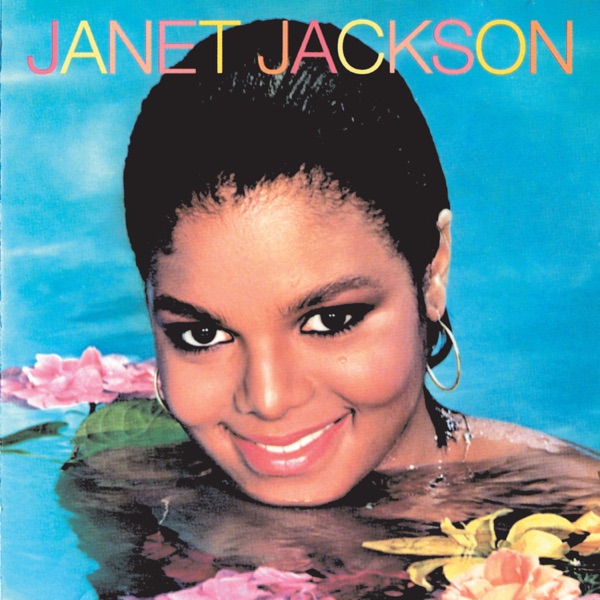 Janet Jackson - Janet Jackson
 Kylie Minogue - Enjoy Yourself
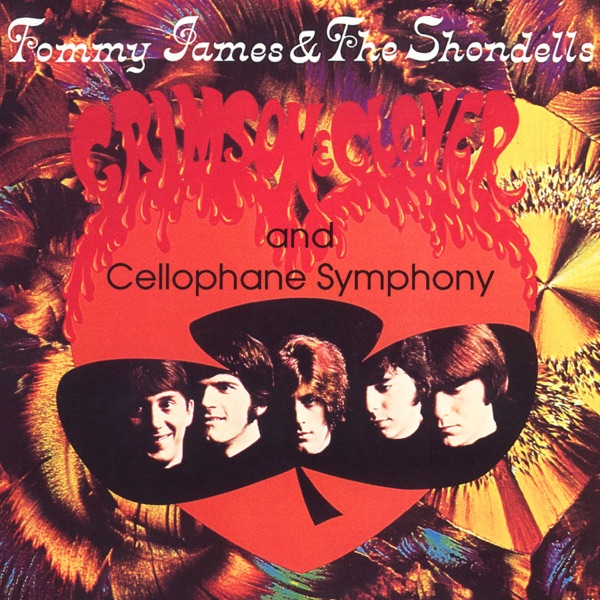 Tommy James and the Shondells - Crimson & Clover
 The Sweet - Funny How Sweet Co-Co Can Be
 The Jackson 5 - Third Album
 The Jackson 5 - ABC
 Janet Jackson - Dream Street
 Kylie Minogue - Kylie (album)

Join the Conversation
Share your thoughts about this album.
Please log in to add a comment.
No comments yet. Be the first to comment.