
The Birds, the Bees & the Monkees
by The Monkees
Released: April 22, 1968
Pop rock, rock, bubblegum, psychedelia
Shop The Monkees
Amazon affiliate linksWhy This Album Matters
This album matters because its strongest editorial story is: Experimental Album.
The Album
"The Birds, the Bees & the Monkees" is the fifth studio album by the American pop-rock band, The Monkees. Released in April 1968, this album signifies the band's full transition from their early pop-rock style to more complex musical and thematic composition including country, cabaret, and psychedelic influences. Regarding the background, by 1968, the members of The Monkees were striving for more creative control over their music, resulting in the band members performing their own instruments and having more say in the songwriting process.
Interesting Facts
The album features songs composed by band members…
The album features songs composed by band members as well as songs written by professional songwriters.
The former track became one of The Monkees'…
The former track became one of The Monkees' most enduring hits.
"The Birds, the Bees & the Monkees" showed…
"The Birds, the Bees & the Monkees" showed a significant degree of musical experimentation by the band, featuring a blend of styles and influences.
It was an important step in the band's…
It was an important step in the band's progression from a manufactured pop group to a self-contained band.
They had begun to feel limited by the…
They had begun to feel limited by the constraints of their originally manufactured image and sound, and wished to explore new and different musical avenues.
Essential Tracks
Daydream Believer
Notable songs from the album include "Daydream Believer" and "Valleri", both of which reached high positions in the charts.
Valleri
Notable songs from the album include "Daydream Believer" and "Valleri", both of which reached high positions in the charts.
Explore the Album
The Monkees - The Birds, the Bees & the Monkees
Open in Albums Gallery
Reception
Notable songs from the album include "Daydream Believer" and "Valleri", both of which reached high positions in the charts. Despite receiving mixed reviews upon its release, it brought commercial success, reaching No.3 on the Billboard 200 and being certified Double Platinum.
The Complete Album Story
"The Birds, the Bees & the Monkees" is the fifth studio album by the American pop-rock band, The Monkees. Released in April 1968, this album signifies the band's full transition from their early pop-rock style to more complex musical and thematic composition including country, cabaret, and psychedelic influences.
The album features songs composed by band members as well as songs written by professional songwriters. Notable songs from the album include "Daydream Believer" and "Valleri", both of which reached high positions in the charts. The former track became one of The Monkees' most enduring hits.
"The Birds, the Bees & the Monkees" showed a significant degree of musical experimentation by the band, featuring a blend of styles and influences. It was an important step in the band's progression from a manufactured pop group to a self-contained band. Despite receiving mixed reviews upon its release, it brought commercial success, reaching No.3 on the Billboard 200 and being certified Double Platinum.
Regarding the background, by 1968, the members of The Monkees were striving for more creative control over their music, resulting in the band members performing their own instruments and having more say in the songwriting process. They had begun to feel limited by the constraints of their originally manufactured image and sound, and wished to explore new and different musical avenues. With this album, they began breaking away from their traditional pop sound and experimenting with different genres, heralding a new phase in their musical journey.
More Pop rock Albums
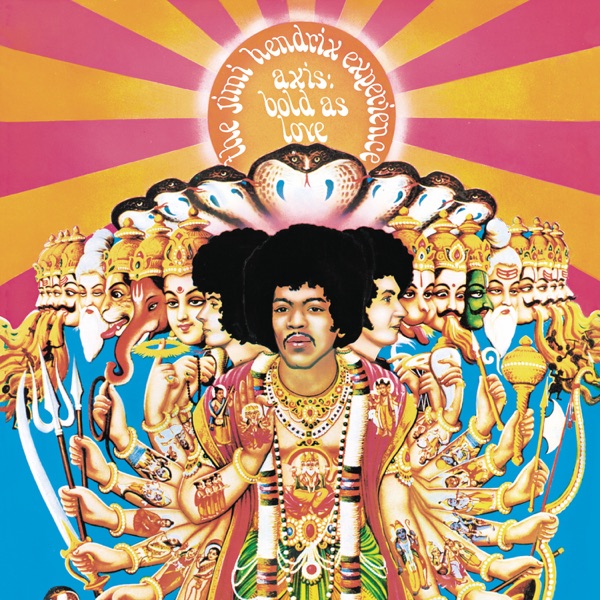 Jimi Hendrix - Axis: Bold as Love
 The Monkees - Christmas Party
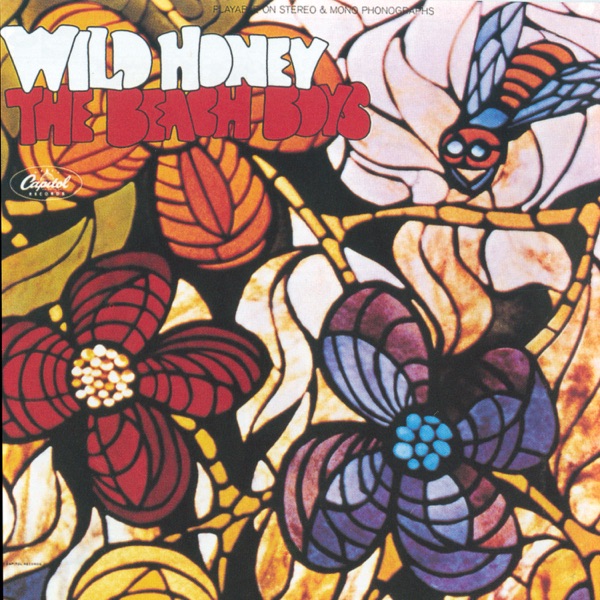 The Beach Boys - Wild Honey
 Orchestral Manoeuvres in the Dark - Crush
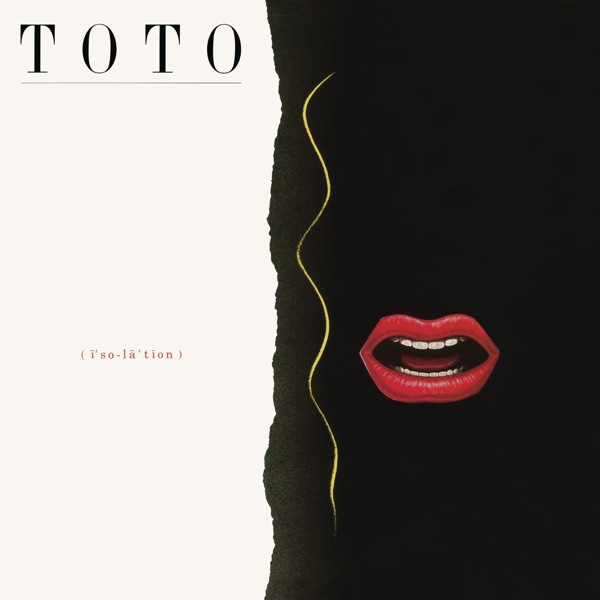 Toto - Isolation (Toto album)
 Sting - The Soul Cages
 INXS - Welcome to Wherever You Are
 The Beautiful South - Carry On Up the Charts
 Squeeze - Some Fantastic Place

Join the Conversation
Share your thoughts about this album.
Please log in to add a comment.
No comments yet. Be the first to comment.