
Goodbye Yellow Brick Road
by Elton John
Released: October 05, 1973
Pop rock, glam rock
Shop Elton John
Amazon affiliate linksWhy This Album Matters
This album matters because its strongest editorial story is: Breakthrough.
The Album
The album encapsulates nostalgia for lost childhood and culture, weaving cinematic metaphors throughout its themes. "Goodbye Yellow Brick Road" is the seventh studio album by Elton John, released on October 5, 1973, as a double album by DJM Records. Recording at the Château d'Hérouville took place over two weeks, where John had previously recorded other albums.
Inside the Recording
It was recorded at the Studio d'enregistrement Michel Magne at the Château d'Hérouville in France, where John and his band drew inspiration from the enchanting locale. Although the band contributed to most tracks, John performed all parts on "This Song Has No Title." Gus Dudgeon, the album's producer, noted that the double album format was unplanned; John and Taupin had initially composed 22 tracks, with 18 making it to the final release.
Interesting Facts
The album features 17 tracks, including iconic hits…
The album features 17 tracks, including iconic hits like "Candle in the Wind," the US number-one single "Bennie and the Jets," the title track "Goodbye Yellow Brick Road," and "Saturday Night's Alright for Fighting." The medley "Funeral for a Friend/Love Lies Bleeding" has also become a live favorite.
Initial recording attempts in Jamaica faced numerous challenges…
Initial recording attempts in Jamaica faced numerous challenges, including equipment issues and logistical disruptions due to local events and protests.
Consequently, the production moved to France
Consequently, the production moved to France.
Notably, while a version of "Saturday Night's Alright…
Notably, while a version of "Saturday Night's Alright for Fighting" was attempted in Jamaica, the final cut came from the sessions in France.
The album includes standout tracks like "Bennie and…
The album includes standout tracks like "Bennie and the Jets," a satirical take on the music industry; "Goodbye Yellow Brick Road," which reflects on fame and the allure of the past; "Funeral for a Friend/Love Lies Bleeding," a sweeping 11-minute epic; and "Candle in the Wind," a tribute to Marilyn Monroe that gained significant popularity.
Essential Tracks
Funeral for a Friend/Love Lies Bleeding
The album features 17 tracks, including iconic hits like "Candle in the Wind," the US number-one single "Bennie and the Jets," the title track "Goodbye Yellow Brick Road," and "Saturday Night's Alright for Fighting." The medley "Funeral for a Friend/Love Lies Bleeding" has also become a live favorite.
Candle in the Wind
The album features 17 tracks, including iconic hits like "Candle in the Wind," the US number-one single "Bennie and the Jets," the title track "Goodbye Yellow Brick Road," and "Saturday Night's Alright for Fighting." The medley "Funeral for a Friend/Love Lies Bleeding" has also become a live favorite.
Goodbye Yellow Brick Road
"Goodbye Yellow Brick Road" is the seventh studio album by Elton John, released on October 5, 1973, as a double album by DJM Records.
This Song Has No Title
Although the band contributed to most tracks, John performed all parts on "This Song Has No Title." Gus Dudgeon, the album's producer, noted that the double album format was unplanned; John and Taupin had initially composed 22 tracks, with 18 making it to the final release.
Saturday Night's Alright for Fighting
The album features 17 tracks, including iconic hits like "Candle in the Wind," the US number-one single "Bennie and the Jets," the title track "Goodbye Yellow Brick Road," and "Saturday Night's Alright for Fighting." The medley "Funeral for a Friend/Love Lies Bleeding" has also become a live favorite.
Explore the Album
Elton John - Goodbye Yellow Brick Road
Open in Albums Gallery
Reception
The album was a commercial triumph, reaching number one on the Billboard 200 and selling over 20 million copies worldwide. It is often regarded as John's magnum opus, earning a spot in the Grammy Hall of Fame in 2003 and ranking as one of the greatest albums of all time, including being placed at number 112 on Rolling Stone's 2020 list of the "500 Greatest Albums of All Time." Originally conceived under the working titles Vodka and Tonics and Silent Movies, Talking Pictures, Bernie Taupin wrote the lyrics in just two and a half weeks, while John composed most of the melodies within three days during a stay at the Pink Flamingo Hotel in Jamaica. It later became popular on FM playlists and was eventually released as a single in Britain in 1980, though it did not chart.
Legacy
It is often regarded as John's magnum opus, earning a spot in the Grammy Hall of Fame in 2003 and ranking as one of the greatest albums of all time, including being placed at number 112 on Rolling Stone's 2020 list of the "500 Greatest Albums of All Time." Originally conceived under the working titles Vodka and Tonics and Silent Movies, Talking Pictures, Bernie Taupin wrote the lyrics in just two and a half weeks, while John composed most of the melodies within three days during a stay at the Pink Flamingo Hotel in Jamaica.
The Complete Album Story
"Goodbye Yellow Brick Road" is the seventh studio album by Elton John, released on October 5, 1973, as a double album by DJM Records. It was recorded at the Studio d'enregistrement Michel Magne at the Château d'Hérouville in France, where John and his band drew inspiration from the enchanting locale. The album features 17 tracks, including iconic hits like "Candle in the Wind," the US number-one single "Bennie and the Jets," the title track "Goodbye Yellow Brick Road," and "Saturday Night's Alright for Fighting." The medley "Funeral for a Friend/Love Lies Bleeding" has also become a live favorite.
The album was a commercial triumph, reaching number one on the Billboard 200 and selling over 20 million copies worldwide. It is often regarded as John's magnum opus, earning a spot in the Grammy Hall of Fame in 2003 and ranking as one of the greatest albums of all time, including being placed at number 112 on Rolling Stone's 2020 list of the "500 Greatest Albums of All Time."
Originally conceived under the working titles Vodka and Tonics and Silent Movies, Talking Pictures, Bernie Taupin wrote the lyrics in just two and a half weeks, while John composed most of the melodies within three days during a stay at the Pink Flamingo Hotel in Jamaica. Initial recording attempts in Jamaica faced numerous challenges, including equipment issues and logistical disruptions due to local events and protests. Consequently, the production moved to France.
Recording at the Château d'Hérouville took place over two weeks, where John had previously recorded other albums. Notably, while a version of "Saturday Night's Alright for Fighting" was attempted in Jamaica, the final cut came from the sessions in France. Although the band contributed to most tracks, John performed all parts on "This Song Has No Title."
Gus Dudgeon, the album's producer, noted that the double album format was unplanned; John and Taupin had initially composed 22 tracks, with 18 making it to the final release. The album encapsulates nostalgia for lost childhood and culture, weaving cinematic metaphors throughout its themes.
The album includes standout tracks like "Bennie and the Jets," a satirical take on the music industry; "Goodbye Yellow Brick Road," which reflects on fame and the allure of the past; "Funeral for a Friend/Love Lies Bleeding," a sweeping 11-minute epic; and "Candle in the Wind," a tribute to Marilyn Monroe that gained significant popularity. The closing track, "Harmony," was considered for release as a fourth single but was ultimately not issued at the time due to the successful chart performance of other singles. It later became popular on FM playlists and was eventually released as a single in Britain in 1980, though it did not chart.
Goodbye Yellow Brick Road remains a defining work in Elton John's career, celebrated for its rich melodies, poignant lyrics, and enduring cultural impact.
More Pop rock Albums
 Bryan Ferry - Dylanesque
 Looking Glass - Looking Glass (album)
 Eurythmics - Peace
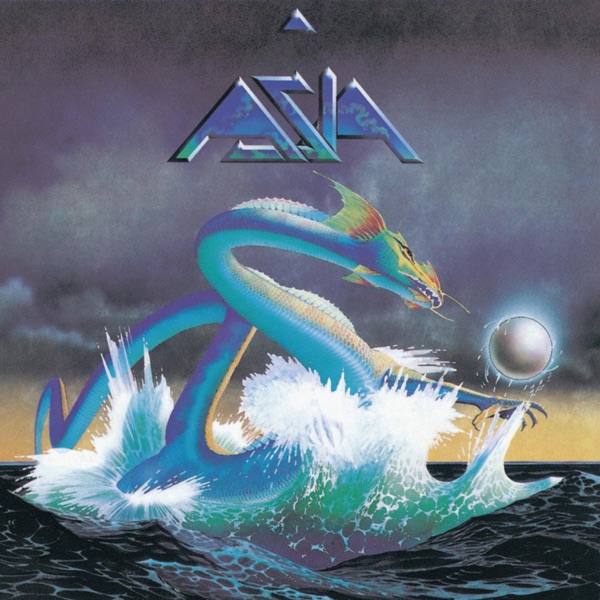 Asia - Asia
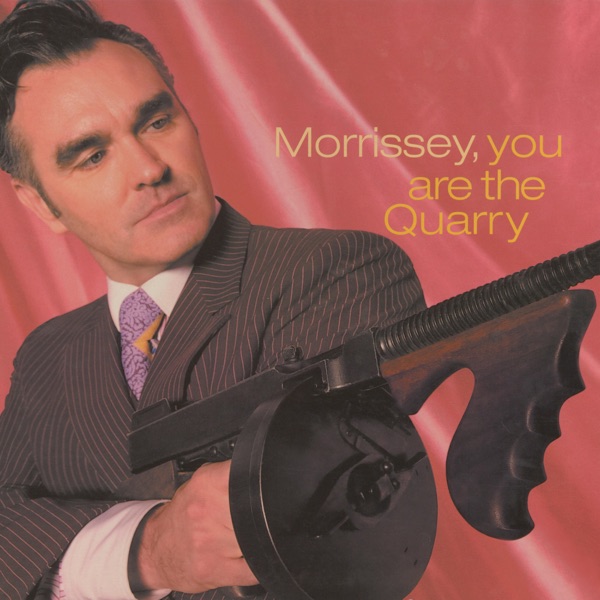 Morrissey - You Are the Quarry
 Eric Clapton - Pilgrim
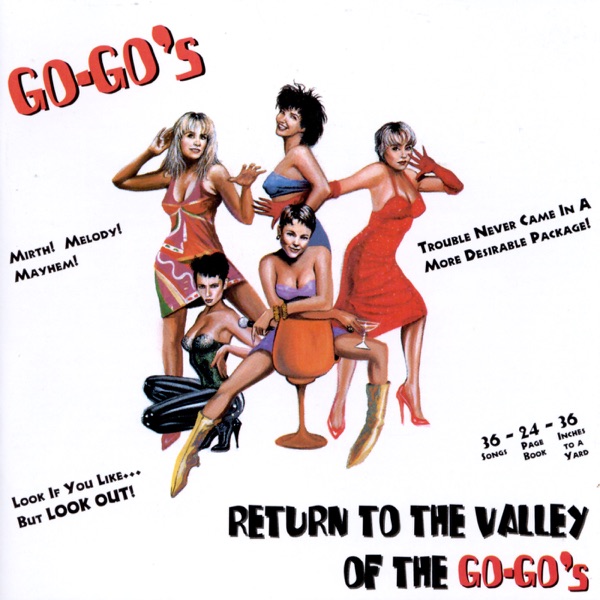 The Go-Go's - Return to the Valley of the Go-Go's
 Coldplay - Ghost Stories (Coldplay album)
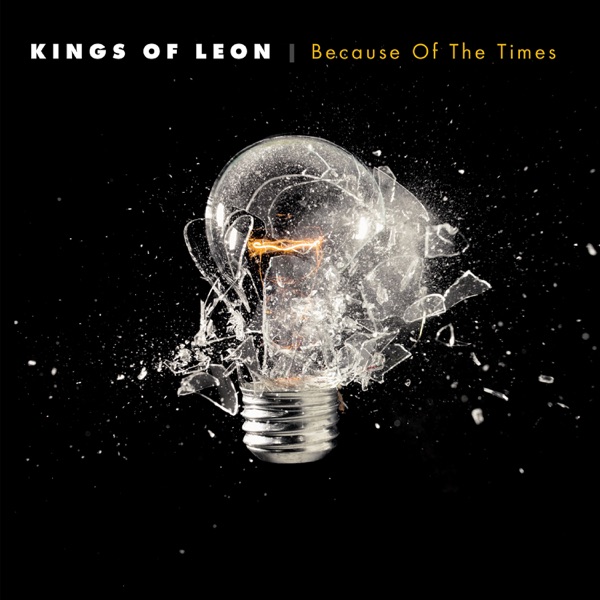 Kings Of Leon - Because of the Times

Join the Conversation
Share your thoughts about this album.
Please log in to add a comment.
No comments yet. Be the first to comment.