
Jazz
by Queen
Released: November 10, 1978
Hard rock, heavy metal, pop, arena rock
Shop Queen
Amazon affiliate linksWhy This Album Matters
This album matters because its strongest editorial story is: Experimental Album.
The Album
"Jazz" is the seventh studio album by the British rock band Queen, released on 10 November 1978. Bowie encouraged them to record at Mountain Studios, where much of the album was produced. Jazz’s varied musical styles and the band's adventurous approach to both songwriting and production made it a distinctive album in Queen's catalog, even as it garnered mixed reactions.
Inside the Recording
Produced by Roy Thomas Baker, the album featured a mix of musical styles, ranging from rock and pop to funk and jazz, which received both praise and criticism. After a brief break in August, the band continued recording at Super Bear Studios in France, completing tracks like "Mustapha," "Bicycle Race," and "If You Can't Beat Them." They finished overdubbing and mixing the album in September, with the lead single mastered by mid-month and the full album completed on 14 October at Super Bear Studios.
Interesting Facts
The album’s artwork was suggested by drummer Roger…
The album’s artwork was suggested by drummer Roger Taylor, who had seen a similar design painted on the Berlin Wall.
Rehearsals for Jazz began in early July 1978…
Rehearsals for Jazz began in early July 1978, following a significant tax bill that prompted the band to record outside the UK.
Brian May, who had just become a father…
Brian May, who had just become a father, moved to Canada due to tax-related issues, while the rest of the band rehearsed in Nice, France.
They later relocated to Montreux, Switzerland, after attending…
They later relocated to Montreux, Switzerland, after attending the Montreux Jazz Festival, where they met David Bowie.
The band began preliminary recordings in France, including…
The band began preliminary recordings in France, including tracks like "Don't Stop Me Now" and "Fat Bottomed Girls," before moving to Montreux.
Essential Tracks
Jealousy
Throughout July, the band worked on tracks like "Fun It," "Jealousy," and "Let Me Entertain You." A notorious incident occurred on 26 July, when the band celebrated Roger Taylor's 29th birthday by trashing a Montreux hotel, with Mercury reportedly swinging on a chandelier during the festivities.
If You Can't Beat Them
After a brief break in August, the band continued recording at Super Bear Studios in France, completing tracks like "Mustapha," "Bicycle Race," and "If You Can't Beat Them." They finished overdubbing and mixing the album in September, with the lead single mastered by mid-month and the full album completed on 14 October at Super Bear Studios.
Let Me Entertain You
Throughout July, the band worked on tracks like "Fun It," "Jealousy," and "Let Me Entertain You." A notorious incident occurred on 26 July, when the band celebrated Roger Taylor's 29th birthday by trashing a Montreux hotel, with Mercury reportedly swinging on a chandelier during the festivities.
Fun It
Throughout July, the band worked on tracks like "Fun It," "Jealousy," and "Let Me Entertain You." A notorious incident occurred on 26 July, when the band celebrated Roger Taylor's 29th birthday by trashing a Montreux hotel, with Mercury reportedly swinging on a chandelier during the festivities.
Explore the Album
Queen - Jazz
Open in Albums Gallery
Reception
Produced by Roy Thomas Baker, the album featured a mix of musical styles, ranging from rock and pop to funk and jazz, which received both praise and criticism. It reached number two on the UK Albums Chart and number six on the US Billboard Top LPs chart.
Legacy
The album's diversity and experimental spirit, paired with some iconic songs like "Bicycle Race" and "Fat Bottomed Girls," helped solidify its place in Queen's legacy.
The Complete Album Story
"Jazz" is the seventh studio album by the British rock band Queen, released on 10 November 1978. Produced by Roy Thomas Baker, the album featured a mix of musical styles, ranging from rock and pop to funk and jazz, which received both praise and criticism. It reached number two on the UK Albums Chart and number six on the US Billboard Top LPs chart. The album’s artwork was suggested by drummer Roger Taylor, who had seen a similar design painted on the Berlin Wall.
Rehearsals for Jazz began in early July 1978, following a significant tax bill that prompted the band to record outside the UK. Brian May, who had just become a father, moved to Canada due to tax-related issues, while the rest of the band rehearsed in Nice, France. They later relocated to Montreux, Switzerland, after attending the Montreux Jazz Festival, where they met David Bowie. Bowie encouraged them to record at Mountain Studios, where much of the album was produced.
The band began preliminary recordings in France, including tracks like "Don't Stop Me Now" and "Fat Bottomed Girls," before moving to Montreux. It was during this time that the idea for the song "Bicycle Race" was inspired by Freddie Mercury's visit to the Tour de France. Throughout July, the band worked on tracks like "Fun It," "Jealousy," and "Let Me Entertain You." A notorious incident occurred on 26 July, when the band celebrated Roger Taylor's 29th birthday by trashing a Montreux hotel, with Mercury reportedly swinging on a chandelier during the festivities.
After a brief break in August, the band continued recording at Super Bear Studios in France, completing tracks like "Mustapha," "Bicycle Race," and "If You Can't Beat Them." They finished overdubbing and mixing the album in September, with the lead single mastered by mid-month and the full album completed on 14 October at Super Bear Studios.
Jazz’s varied musical styles and the band's adventurous approach to both songwriting and production made it a distinctive album in Queen's catalog, even as it garnered mixed reactions. The album's diversity and experimental spirit, paired with some iconic songs like "Bicycle Race" and "Fat Bottomed Girls," helped solidify its place in Queen's legacy.
More Hard rock Albums
 The Who - Tommy (The Who album)
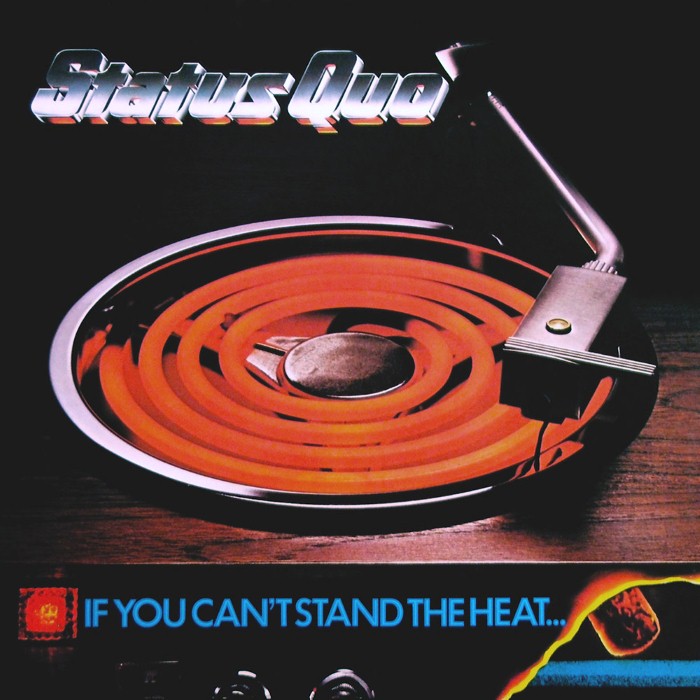 Status Quo - If You Can't Stand the Heat...
 Aerosmith - Honkin' on Bobo
 Manfred Mann's Earth - Nightingales & Bombers
 The Kinks - Misfits (The Kinks album)
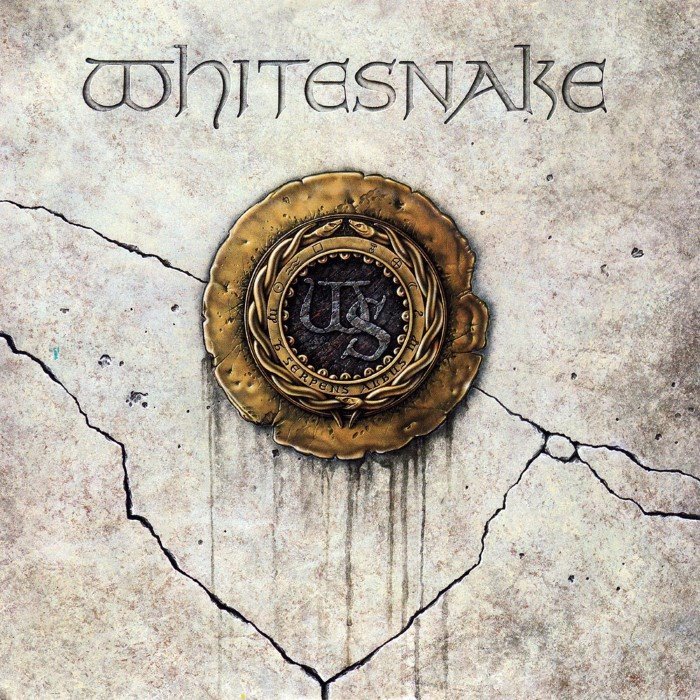 Whitesnake - Whitesnake
 The Stooges - Live in Detroit (The Stooges album)
 Joan Jett and the Blackhearts - Good Music
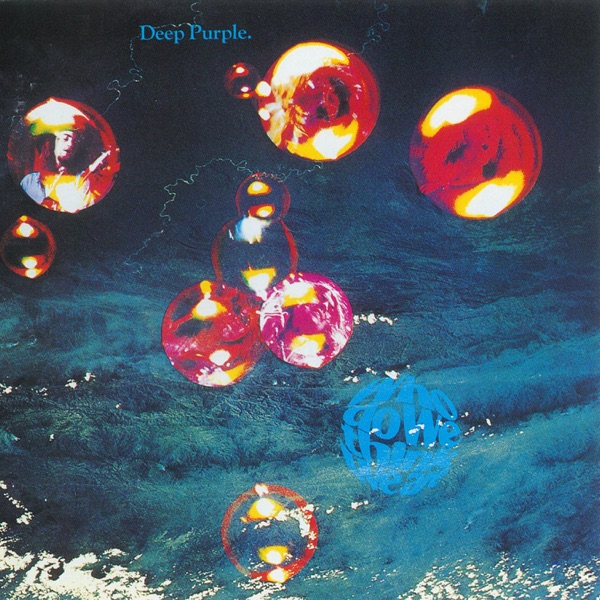 Deep Purple - Who Do We Think We Are
 Rush - Snakes & Arrows Live
 Toto - Kingdom of Desire

Join the Conversation
Share your thoughts about this album.
Please log in to add a comment.
No comments yet. Be the first to comment.