
Broken (Nine Inch Nails EP)
by Nine Inch Nails
Released: September 22, 1992
Industrial metal, alternative metal
Shop Nine Inch Nails
Amazon affiliate linksWhy This Album Matters
This album matters because its strongest editorial story is: Chart Success.
The Album
This collaboration led to the production of Broken, solidifying Nine Inch Nails' place in the industrial rock scene. "Broken" is the debut extended play (EP) by Nine Inch Nails, released on September 22, 1992. This heavier approach foreshadowed the sound of their follow-up album, The Downward Spiral (1994).
Inside the Recording
Produced by Trent Reznor and Flood, the EP marked a significant shift from the synth-pop style of their debut album, Pretty Hate Machine, towards a heavier industrial rock sound.
Interesting Facts
This conflict escalated into a public feud, prompting…
This conflict escalated into a public feud, prompting Reznor to use various aliases for his new work to avoid TVT's interference.
The EP features themes of anger and despair…
The EP features themes of anger and despair, aligning with the lyrical content of Nine Inch Nails' later work.
Five of its eight tracks were promoted with…
Five of its eight tracks were promoted with music videos, which faced censorship due to their graphic violence.
Additionally, a short film titled Broken was created…
Additionally, a short film titled Broken was created but never officially released, later surfacing as a bootleg.
Frustrated with their insistence on releasing another synth-pop…
Frustrated with their insistence on releasing another synth-pop album, Reznor sought to terminate his contract with TVT, but they refused.
Essential Tracks
Wish
It helped cement Nine Inch Nails' place in the mainstream music scene and earned two Grammy Awards for Best Metal Performance for the songs "Wish" and "Happiness in Slavery." After the success of Pretty Hate Machine, Trent Reznor faced pressure from TVT Records to create a similar follow-up, which he resisted due to their attempts to limit his creative control.
Happiness In Slavery
It helped cement Nine Inch Nails' place in the mainstream music scene and earned two Grammy Awards for Best Metal Performance for the songs "Wish" and "Happiness in Slavery." After the success of Pretty Hate Machine, Trent Reznor faced pressure from TVT Records to create a similar follow-up, which he resisted due to their attempts to limit his creative control.
Explore the Album
Nine Inch Nails - Broken (Nine Inch Nails EP)
Open in Albums Gallery
Reception
Critically acclaimed, Broken peaked at number seven on the US Billboard 200 and was certified platinum by the RIAA. It helped cement Nine Inch Nails' place in the mainstream music scene and earned two Grammy Awards for Best Metal Performance for the songs "Wish" and "Happiness in Slavery." After the success of Pretty Hate Machine, Trent Reznor faced pressure from TVT Records to create a similar follow-up, which he resisted due to their attempts to limit his creative control.
The Complete Album Story
"Broken" is the debut extended play (EP) by Nine Inch Nails, released on September 22, 1992. Produced by Trent Reznor and Flood, the EP marked a significant shift from the synth-pop style of their debut album, Pretty Hate Machine, towards a heavier industrial rock sound. This heavier approach foreshadowed the sound of their follow-up album, The Downward Spiral (1994).
The EP features themes of anger and despair, aligning with the lyrical content of Nine Inch Nails' later work. Five of its eight tracks were promoted with music videos, which faced censorship due to their graphic violence. Additionally, a short film titled Broken was created but never officially released, later surfacing as a bootleg.
Critically acclaimed, Broken peaked at number seven on the US Billboard 200 and was certified platinum by the RIAA. It helped cement Nine Inch Nails' place in the mainstream music scene and earned two Grammy Awards for Best Metal Performance for the songs "Wish" and "Happiness in Slavery."
After the success of Pretty Hate Machine, Trent Reznor faced pressure from TVT Records to create a similar follow-up, which he resisted due to their attempts to limit his creative control. Frustrated with their insistence on releasing another synth-pop album, Reznor sought to terminate his contract with TVT, but they refused.
This conflict escalated into a public feud, prompting Reznor to use various aliases for his new work to avoid TVT's interference. He expressed deep dissatisfaction with how the label categorized Nine Inch Nails, which fueled his desire to break free from their constraints.
Ultimately, Reznor secured a deal with Interscope Records, marking a turning point in his career. He initially felt apprehensive about this new partnership, fearing it could lead to another restrictive situation. However, after discussions with Interscope, he found that they were more aligned with his vision, allowing him to explore his musical direction freely. This collaboration led to the production of Broken, solidifying Nine Inch Nails' place in the industrial rock scene.
More Industrial metal Albums
 Killing Joke - Killing Joke (2003 album)
 The Young Gods - The Young Gods (album)
 Skinny Puppy - Too Dark Park
 King Crimson - The Power to Believe
 Skinny Puppy - Rabies
 Nitzer Ebb - Ebbhead
 Ministry - From Beer to Eternity
 Killing Joke - Pandemonium (Killing Joke album)
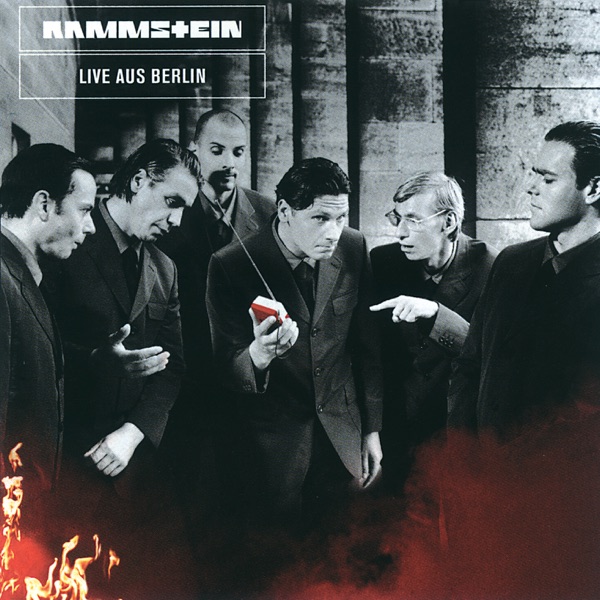 Rammstein - Live aus Berlin

Join the Conversation
Share your thoughts about this album.
Please log in to add a comment.
No comments yet. Be the first to comment.