
Quiet Life
by Japan
Released: December 07, 1979
Synth-pop, art pop, pop rock, new wave, post-punk
Shop Japan
Amazon affiliate linksWhy This Album Matters
This album matters because its strongest editorial story is: Breakthrough.
The Album
"Quiet Life" is the third studio album by English new wave band Japan, first released in December 1979 and January 1980, marking a pivotal moment in the band's musical evolution. It represents their transition from glam rock-inspired sounds to a more electronic, synth-pop style, a shift that would later define much of the 1980s music scene. The band's sound began evolving after their collaboration with Giorgio Moroder on the single "Life in Tokyo" in 1979, which hinted at the synth-driven direction that would come to fruition on Quiet Life.
Inside the Recording
The album was produced by John Punter and was initially met with slow sales, but it eventually became a critical turning point for Japan, achieving Gold certification by the British Phonographic Industry for sales of over 100,000 copies. Initially, Japan worked with manager Simon Napier-Bell but ultimately brought in Roxy Music producer John Punter to guide the recording.
Interesting Facts
The album was produced at AIR Studios in…
The album was produced at AIR Studios in London in the summer of 1979, with the exception of "All Tomorrow's Parties," which was recorded earlier with Simon Napier-Bell.
The album was reissued several times over the…
The album was reissued several times over the years, with bonus tracks and remixes added to newer editions.
The title track addresses these difficulties, while other…
The title track addresses these difficulties, while other songs draw inspiration from the band's travels and observations of life on the road.
The album is often cited as one of…
The album is often cited as one of the first major works of the New Romantic movement, though Japan themselves distanced themselves from the genre.
Musically, Quiet Life is known for its moody…
Musically, Quiet Life is known for its moody, atmospheric synth-pop sound, characterized by lush synthesizer textures, minimalistic arrangements, and David Sylvian's baritone vocals, which became one of the band's trademarks.
Essential Tracks
All Tomorrow's Parties
The album was produced at AIR Studios in London in the summer of 1979, with the exception of "All Tomorrow's Parties," which was recorded earlier with Simon Napier-Bell.
Alien
The lyrics reflect the band's sense of alienation and introspection, capturing a moment of self-awareness as they navigated their evolving identity in the music industry.
A Foreign Place
The track "A Foreign Place," though not included on the album, was a notable B-side, highlighting the album's oriental musical influences.
Quiet Life
"Quiet Life" is the third studio album by English new wave band Japan, first released in December 1979 and January 1980, marking a pivotal moment in the band's musical evolution.
Explore the Album
Japan - Quiet Life
Open in Albums Gallery
Reception
The album was produced by John Punter and was initially met with slow sales, but it eventually became a critical turning point for Japan, achieving Gold certification by the British Phonographic Industry for sales of over 100,000 copies. Lyrically, Quiet Life reflects the band's struggles at the time, including the loss of their US record contract and lack of commercial success in the UK. Despite early lackluster sales, Quiet Life was eventually re-discovered following the band's success with Tin Drum in 1981, and it began charting again in 1982, peaking at No. 53.
Legacy
Quiet Life is now considered a landmark album in the band's career, helping to establish Japan's distinct musical identity and paving the way for their later successes. Its fusion of electronic pop and art rock inspired many artists in the new wave and synth-pop scenes, and it remains a crucial part of Japan's legacy as one of the most unique and forward-thinking bands of the late 1970s and early 1980s.
The Complete Album Story
"Quiet Life" is the third studio album by English new wave band Japan, first released in December 1979 and January 1980, marking a pivotal moment in the band's musical evolution. It represents their transition from glam rock-inspired sounds to a more electronic, synth-pop style, a shift that would later define much of the 1980s music scene. The album was produced by John Punter and was initially met with slow sales, but it eventually became a critical turning point for Japan, achieving Gold certification by the British Phonographic Industry for sales of over 100,000 copies.
The band's sound began evolving after their collaboration with Giorgio Moroder on the single "Life in Tokyo" in 1979, which hinted at the synth-driven direction that would come to fruition on Quiet Life. Initially, Japan worked with manager Simon Napier-Bell but ultimately brought in Roxy Music producer John Punter to guide the recording. The album was produced at AIR Studios in London in the summer of 1979, with the exception of "All Tomorrow's Parties," which was recorded earlier with Simon Napier-Bell.
Lyrically, Quiet Life reflects the band's struggles at the time, including the loss of their US record contract and lack of commercial success in the UK. The title track addresses these difficulties, while other songs draw inspiration from the band's travels and observations of life on the road. The album is often cited as one of the first major works of the New Romantic movement, though Japan themselves distanced themselves from the genre.
Musically, Quiet Life is known for its moody, atmospheric synth-pop sound, characterized by lush synthesizer textures, minimalistic arrangements, and David Sylvian's baritone vocals, which became one of the band's trademarks. The album features a mix of electronic and organic elements, blending catchy melodies with more introspective and sometimes melancholic themes. The track "A Foreign Place," though not included on the album, was a notable B-side, highlighting the album's oriental musical influences.
Sylvian described Quiet Life as a truly collaborative effort for the band, noting that this was the last album where the group worked together in an equal partnership before he began to take control of the band's direction in later years. The lyrics reflect the band's sense of alienation and introspection, capturing a moment of self-awareness as they navigated their evolving identity in the music industry.
Upon its initial release, Quiet Life charted poorly in the UK, peaking at No. 72. However, the album gained significant traction in Japan, where it became the first foreign rock album to enter the national charts. Despite early lackluster sales, Quiet Life was eventually re-discovered following the band's success with Tin Drum in 1981, and it began charting again in 1982, peaking at No. 53. The title track became Japan's first Top 20 hit in the UK in 1981, reaching No. 19.
The album’s release in the US was limited, and its singles "I Second That Emotion" and "Quiet Life" had little commercial impact. However, Japan's growing fanbase and reputation helped the album gain a retrospective popularity.
Quiet Life is now considered a landmark album in the band's career, helping to establish Japan's distinct musical identity and paving the way for their later successes. The album was reissued several times over the years, with bonus tracks and remixes added to newer editions. Notably, the 2021 reissue included a box set with live recordings from their 1980 tour, offering a glimpse into the band's live performances during the Quiet Life era.
The album’s influence extends beyond Japan, with its atmospheric sound and introspective lyrics resonating with future generations of musicians. Its fusion of electronic pop and art rock inspired many artists in the new wave and synth-pop scenes, and it remains a crucial part of Japan's legacy as one of the most unique and forward-thinking bands of the late 1970s and early 1980s.
More Synth-pop Albums
 M83 - Saturdays = Youth
 The Beach Boys - The Beach Boys Love You
 Depeche Mode - Live in Berlin
 Alphaville - Salvation (Alphaville album)
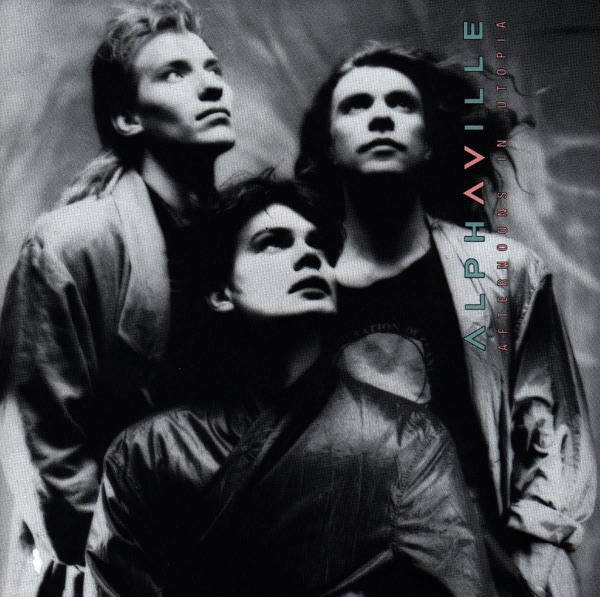 Alphaville - Afternoons in Utopia
 Fiction Factory - Throw the Warped Wheel Out
 ABC - The Lexicon of Love
 Cut Copy - Free Your Mind
 The Blue Nile - High
 New Order - Brotherhood
 Blancmange - Nil by Mouth III

Join the Conversation
Share your thoughts about this album.
Please log in to add a comment.
No comments yet. Be the first to comment.