
The Pacific Age
by Orchestral Manoeuvres In The Dark
Released: September 29, 1986
Synth-pop, synth-rock, sophisti-pop
Shop Orchestral Manoeuvres In The Dark
Amazon affiliate linksWhy This Album Matters
This album matters because its strongest editorial story is: Experimental Album.
The Album
"The Pacific Age" is the seventh studio album by Orchestral Manoeuvres in the Dark (OMD), released on September 29, 1986. The album's tumultuous recording environment ultimately contributed to internal conflicts within the band, and it would be their last studio effort for five years. With only two months to write new material, the band shifted their focus to creating more accessible pop songs, steering away from their earlier experimental sound.
Inside the Recording
Produced by Stephen Hague, it continues the polished sound established on their previous album, Crush, while shifting toward a mid-1980s sophisti-pop style, moving away from their experimental roots. Collaborating once again with producer Stephen Hague, along with engineer Tom Lord-Alge, OMD recorded at Studio de la Grande Armée in Paris. The recording process was marked by creative challenges and pressures from the record label, leading to a sense of rushed decision-making with each track.
Interesting Facts
However, it has gained some retrospective appreciation in…
However, it has gained some retrospective appreciation in later years.
The lead single, "(Forever) Live and Die," achieved…
The lead single, "(Forever) Live and Die," achieved notable success, becoming OMD's second Top 20 hit in the US.
Frontman Andy McCluskey has since referred to it…
Frontman Andy McCluskey has since referred to it as the band's "musical nadir," reflecting a general dissatisfaction with the project.
The Pacific Age faced considerable pressure from OMD's…
The Pacific Age faced considerable pressure from OMD's American label, A&M Records, following the success of their hit single "If You Leave" from Pretty in Pink.
The songwriting process was rushed, leading to the…
The songwriting process was rushed, leading to the inclusion of previously written songs, such as "We Love You," which was originally intended for Playing for Keeps, and a reworked version of "Goddess of Love," initially written for Pretty in Pink.
Essential Tracks
Stay (The Black Rose And The Universal Wheel)
Originally, the band intended to release "Stay (The Black Rose and the Universal Wheel)" as the lead single, but the label pushed for "Shame" instead, with "(Forever) Live and Die" ultimately being released first.
(Forever) Live And Die
The lead single, "(Forever) Live and Die," achieved notable success, becoming OMD's second Top 20 hit in the US.
The Pacific Age
"The Pacific Age" is the seventh studio album by Orchestral Manoeuvres in the Dark (OMD), released on September 29, 1986.
Shame
Originally, the band intended to release "Stay (The Black Rose and the Universal Wheel)" as the lead single, but the label pushed for "Shame" instead, with "(Forever) Live and Die" ultimately being released first.
Flame Of Hope
Notable tracks include "Flame of Hope," which incorporates Japanese TV commercial samples, and "The Pacific Age," reflecting on the economic rise of East Asia.
Explore the Album
Orchestral Manoeuvres In The Dark - The Pacific Age
Open in Albums Gallery
Reception
Despite debuting in the Top 20 across several countries, including the UK, Canada, and New Zealand, the album received predominantly negative reviews upon release.
Legacy
This tumultuous period and the resulting album left a mixed legacy, with frontman Andy McCluskey later deeming it one of their low points.
The Complete Album Story
"The Pacific Age" is the seventh studio album by Orchestral Manoeuvres in the Dark (OMD), released on September 29, 1986. Produced by Stephen Hague, it continues the polished sound established on their previous album, Crush, while shifting toward a mid-1980s sophisti-pop style, moving away from their experimental roots.
The recording process was marked by creative challenges and pressures from the record label, leading to a sense of rushed decision-making with each track. Despite debuting in the Top 20 across several countries, including the UK, Canada, and New Zealand, the album received predominantly negative reviews upon release. However, it has gained some retrospective appreciation in later years.
The lead single, "(Forever) Live and Die," achieved notable success, becoming OMD's second Top 20 hit in the US. The album's tumultuous recording environment ultimately contributed to internal conflicts within the band, and it would be their last studio effort for five years. Frontman Andy McCluskey has since referred to it as the band's "musical nadir," reflecting a general dissatisfaction with the project.
The Pacific Age faced considerable pressure from OMD's American label, A&M Records, following the success of their hit single "If You Leave" from Pretty in Pink. With only two months to write new material, the band shifted their focus to creating more accessible pop songs, steering away from their earlier experimental sound.
Collaborating once again with producer Stephen Hague, along with engineer Tom Lord-Alge, OMD recorded at Studio de la Grande Armée in Paris. The songwriting process was rushed, leading to the inclusion of previously written songs, such as "We Love You," which was originally intended for Playing for Keeps, and a reworked version of "Goddess of Love," initially written for Pretty in Pink. Despite the label's expectations, they opted not to include "If You Leave" on the album.
Notable tracks include "Flame of Hope," which incorporates Japanese TV commercial samples, and "The Pacific Age," reflecting on the economic rise of East Asia. The album also marked the formal inclusion of brothers Graham and Neil Weir as band members, contributing to the sound with soulful elements. Sessions were reportedly plagued by exhaustion, internal conflicts, and substance use, leading to a challenging creative environment.
Originally, the band intended to release "Stay (The Black Rose and the Universal Wheel)" as the lead single, but the label pushed for "Shame" instead, with "(Forever) Live and Die" ultimately being released first. This tumultuous period and the resulting album left a mixed legacy, with frontman Andy McCluskey later deeming it one of their low points.
If you'd like to explore specific tracks or further details about the band's history, just let me know!
More Synth-pop Albums
 Taylor Swift - Lover
 Nik Kershaw - The Riddle
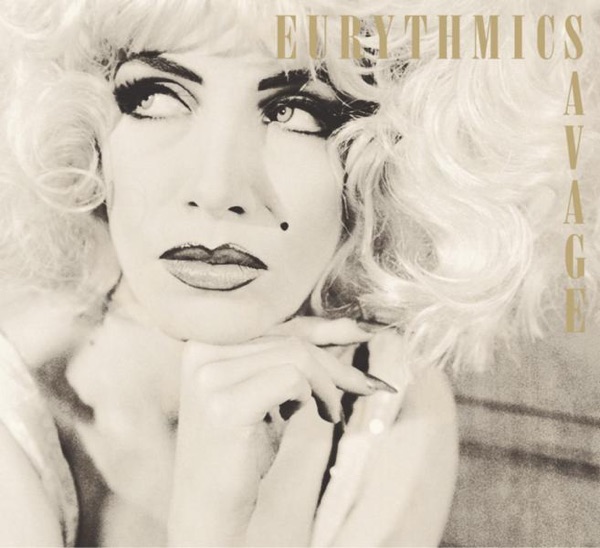 Eurythmics - Savage
 Simple Minds - Direction of the Heart
 The War on Drugs - A Deeper Understanding
 Depeche Mode - A Broken Frame
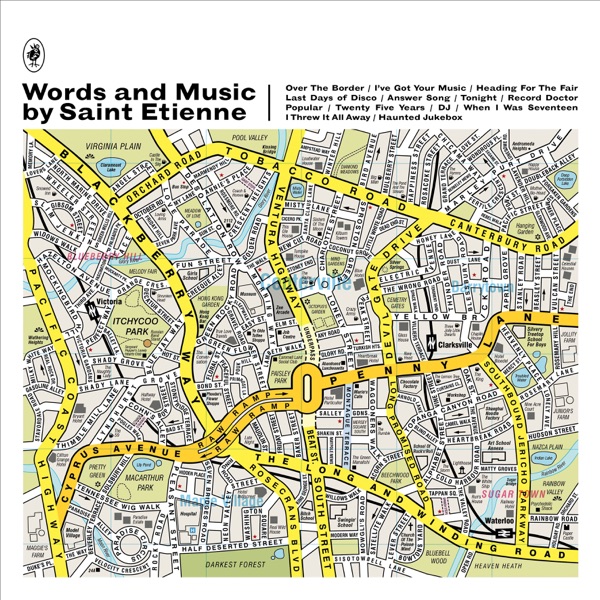 Saint Etienne - Words and Music by Saint Etienne
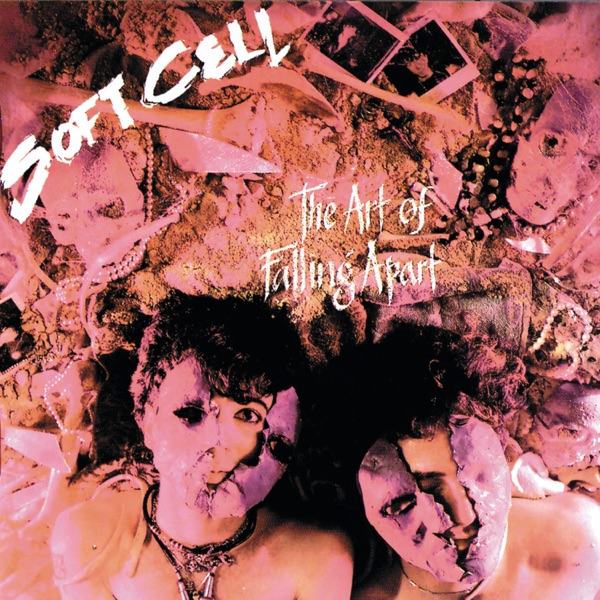 Soft Cell - The Art of Falling Apart
 Electric Light Orchestra - Time (ELO album)

Join the Conversation
Share your thoughts about this album.
Please log in to add a comment.
No comments yet. Be the first to comment.